

If you love the appearance of traditional board and batten siding but aren’t particularly excited about the maintenance that comes with real wood, vinyl might be worth considering.
In this article:
- What Is Vinyl Board and Batten Siding?
- What Does Vinyl Board and Batten Siding Look Like?
- Benefits of Vinyl Board and Batten Siding
- Disadvantages of Vinyl Board and Batten Siding
- How Much Does Vinyl Board and Batten Siding Cost?
- What Colors Work Best for Vinyl Board and Batten Siding?
- Vinyl Board and Batten Siding vs. Wood: Which Is Better?
- Can You Install Vinyl Board and Batten Siding Yourself?
- How to Plan the Spacing for Vinyl Board and Batten Siding
- How Do You Maintain Vinyl Board and Batten Siding?
- Is Vinyl Board and Batten Siding Worth It?
- Frequently Asked Questions About Vinyl Board and Batten Siding
Vinyl board and batten siding gives your home the same distinctive vertical appearance, with raised battens and clean lines, but uses manufactured vinyl panels instead of individual wood boards. It’s an option that appeals to homeowners who want a farmhouse-inspired exterior without having to regularly paint, stain, or seal natural wood.
Another reason people consider vinyl is the variety of styles and colors available. Whether you’re planning a complete exterior makeover or just want to add some character to your home’s front-facing gables, there are several ways to incorporate this siding style.
Of course, vinyl isn’t perfect for every home. Product quality, installation, weather exposure, and the appearance you’re trying to achieve all matter.
So, is vinyl board and batten siding a smart investment? What does it cost, how long does it last, and how does it compare with wood or fiber cement?
Let’s walk through everything you should know before making your decision.
What Is Vinyl Board and Batten Siding?
Vinyl board and batten siding is a type of exterior siding made from polyvinyl chloride (PVC). It recreates the traditional board and batten appearance using manufactured vertical siding panels.
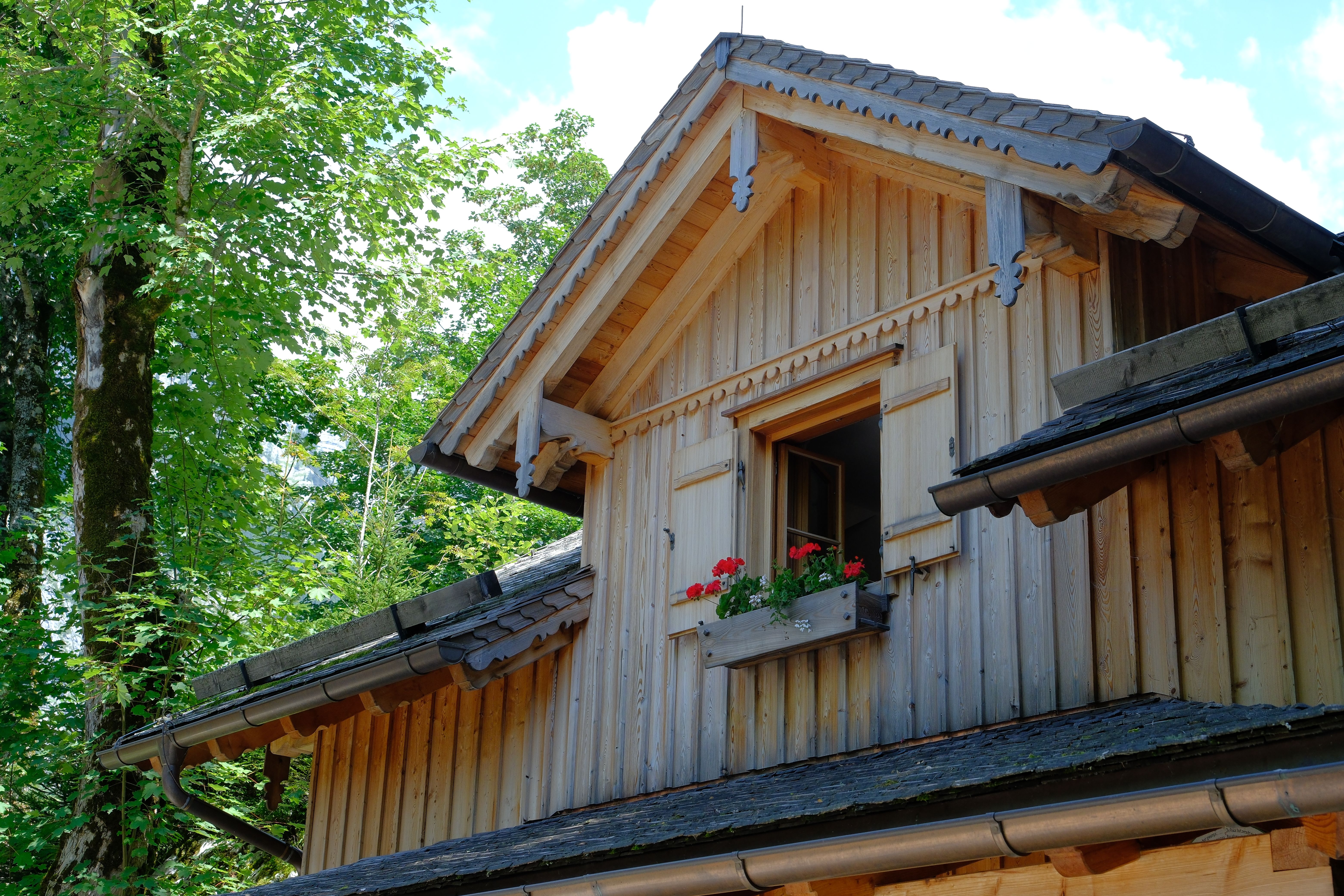
In the traditional design, wide wooden boards are installed vertically and narrow wooden strips, called battens, cover the joints between them.
Vinyl versions achieve a similar appearance through specially designed siding profiles. Depending on the product, the raised battens may be incorporated into the panel rather than installed as separate strips.
This creates a consistent vertical pattern while giving the exterior some depth and texture.
Vinyl board and batten siding is commonly used on:
- Modern farmhouse homes
- Traditional cottages
- Contemporary residential properties
- Barn-inspired homes
- Front-facing gables
- Porches and entryways
- Exterior accent walls
Some homeowners use it across the entire house, while others combine it with horizontal vinyl lap siding to create a more interesting exterior.
What Does Vinyl Board and Batten Siding Look Like?
One of the reasons this siding style is so popular is its ability to make an exterior look more detailed without adding complicated architectural features.
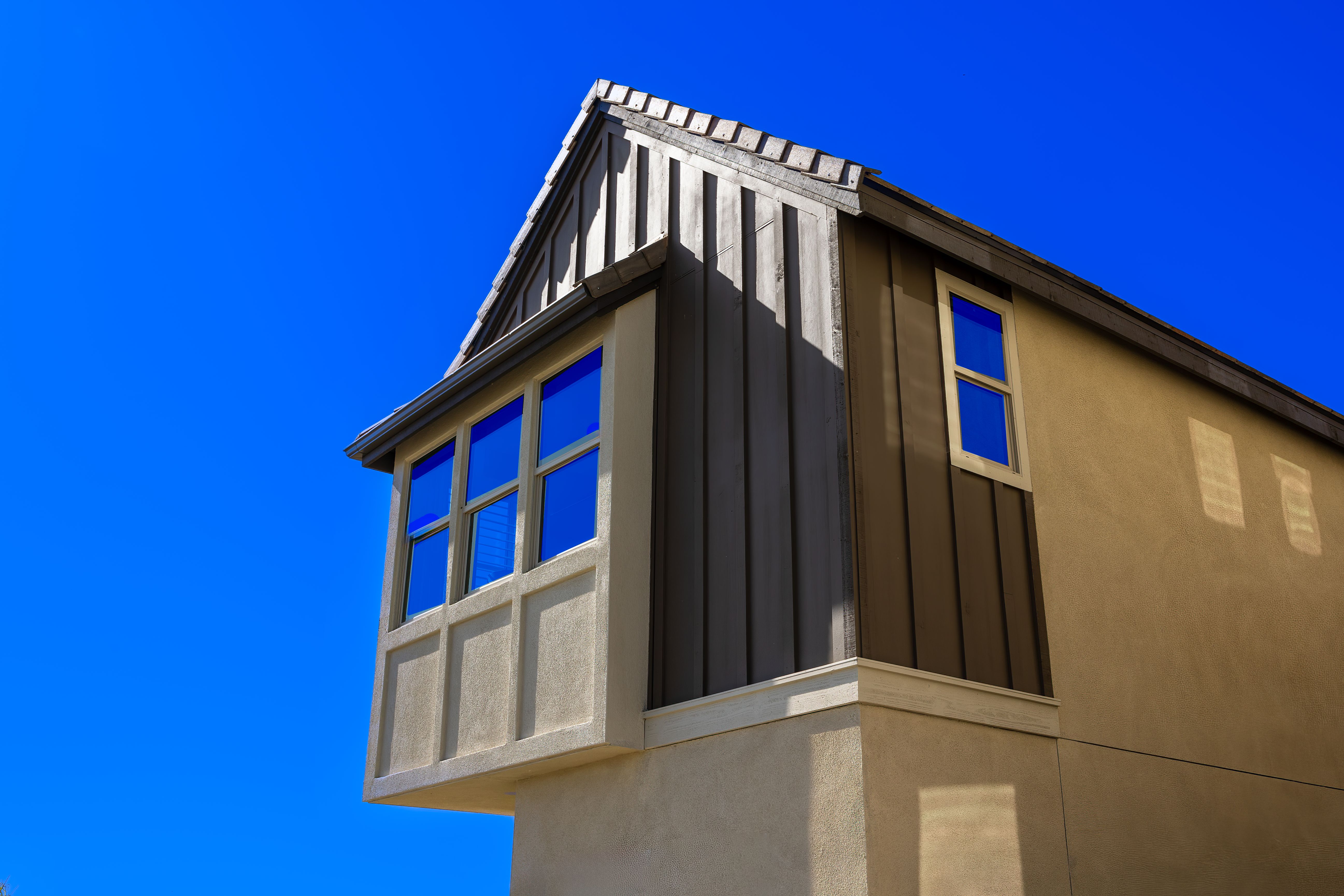
The vertical lines draw attention upward, while the raised sections create shadows that give the wall a more dimensional appearance.
Modern vinyl products also come in different profiles and finishes.
For example, Georgia-Pacific Board & Batten vinyl siding features a traditional profile with a 5.5-inch face and 1.5-inch batten. It also offers a wood-inspired appearance and different color options.
Another option is Royal Board & Batten siding, which features a cedar-inspired finish and pronounced shadow lines.
These examples show that vinyl doesn’t have to look plain or overly artificial. The profile, surface texture, color, and overall product quality can make a significant difference.
Benefits of Vinyl Board and Batten Siding
There are several reasons homeowners choose vinyl over traditional wood siding.
Let’s look at the biggest advantages.
1. Less Maintenance Than Traditional Wood
This is probably one of the biggest reasons people consider vinyl.
Natural wood siding needs regular attention to protect it from moisture and weather exposure. Depending on the finish and local conditions, you may need to repaint, stain, or seal it periodically.
Vinyl doesn’t require the same routine painting or staining.
It can generally be cleaned with water and a suitable cleaning solution when dirt, dust, or surface stains build up.
That doesn’t mean vinyl is maintenance-free. You’ll still need to inspect it for cracks, loose panels, impact damage, and areas where water may be entering the wall assembly.
But if you want a siding option that doesn’t require regular repainting, vinyl has a clear advantage.
2. It Doesn’t Rot Like Natural Wood
Wood can deteriorate when exposed to persistent moisture, particularly if the finish is damaged or water becomes trapped around joints and edges.
Vinyl doesn’t rot in the same way because it isn’t made from organic wood fibers.
However, this doesn’t mean moisture can be ignored. Water can still enter behind improperly installed siding and affect the underlying wall materials.
Proper flashing, drainage, and weather-resistant barriers remain important.
3. Available in Different Colors and Styles
Vinyl board and batten siding is available in a range of colors, from traditional neutrals to deeper contemporary shades.
Popular choices include white, gray, beige, blue, green, and darker charcoal tones.
Some manufacturers also offer woodgrain-inspired textures that recreate the appearance of painted or stained timber.
This makes it easier to coordinate your siding with roofing, windows, doors, and exterior trim.
4. Suitable for Different Home Designs
Although board and batten has traditional roots, vinyl versions work well with many architectural styles.
You can use white vinyl board and batten siding for a classic farmhouse appearance or choose a darker finish for a more contemporary exterior.
It also works well as an accent material.
For example, you could use horizontal siding across the main walls and vertical board and batten on the upper gables. This creates contrast without making the exterior feel overly complicated.
5. Often More Affordable Than Premium Siding Alternatives
Vinyl can be a cost-effective option compared with certain premium wood, fiber cement, or metal siding products.
However, the final cost depends on the product, quality, project size, labor, and installation requirements.
A basic vinyl product and a premium insulated or reinforced vertical siding system won’t necessarily have the same price.
It’s best to compare installed quotes rather than assuming every vinyl product is inexpensive.
Disadvantages of Vinyl Board and Batten Siding
While vinyl has several practical advantages, there are a few drawbacks worth understanding before choosing it.
1. It Can Crack or Become Damaged
Vinyl siding can crack when struck by heavy objects or exposed to significant impact.
The risk depends on the product, temperature, installation, and type of impact.
If a panel becomes damaged, it may need to be replaced rather than simply repaired with paint or filler.
This is worth considering if your home is in an area where exterior walls are exposed to frequent impacts.
You May Also Love

2. Temperature Changes Affect Vinyl
Vinyl expands and contracts as temperatures change.
This is a normal characteristic of the material, but it means installation needs to account for movement.
If panels are fastened too tightly or don’t have enough clearance at the ends, they may buckle, distort, or develop an uneven appearance.
Manufacturers provide specific fastening and clearance requirements to help prevent these problems.
For example, CertainTeed’s vinyl siding installation guidance explains how to accommodate movement when installing vertical siding.
3. It May Not Have the Exact Appearance of Real Wood
Modern vinyl siding can recreate woodgrain textures, but it won’t look or feel exactly like natural cedar or other real wood species.
If authentic wood grain and natural variations are important to you, real wood may be more appealing.
However, many homeowners are comfortable with this trade-off because vinyl offers a different balance of appearance and maintenance.
4. Color and Finish Options Depend on the Manufacturer
Not every vinyl siding manufacturer offers the same colors, textures, or profiles.
If you’re looking for a very specific shade, it’s worth checking product availability before finalizing your exterior design.
Also, colors displayed on a computer or phone may look different from the actual siding.
Always request physical samples or color fan decks when possible.
5. Installation Quality Still Matters
Choosing vinyl doesn’t mean you can overlook installation.
The wall underneath must be properly prepared, and the siding needs suitable fastening support, flashing, and weather protection.
Incorrect installation can create problems even when the siding itself is a quality product.
This is especially important with vertical siding because fastening and panel movement requirements can differ from those of horizontal vinyl siding.
How Much Does Vinyl Board and Batten Siding Cost?
The cost of vinyl board and batten siding depends on several factors, so it’s difficult to give one price that applies to every home.
Some of the biggest factors include:
- Quality and thickness of the vinyl panels
- Brand and product profile
- Total exterior wall area
- Labor costs in your location
- Removal of existing siding
- Wall preparation and repairs
- Trim, corner posts, and accessories
- Number of windows, doors, and gables
- Complexity of the installation
It’s also important to remember that the price of siding panels isn’t the same as the total project cost.
For a more accurate estimate, ask contractors to break down material costs, labor, removal, preparation, trim, and additional work.
If you’re comparing different products, request quotes for the same siding profile and installation scope.
This will give you a much clearer picture of whether vinyl is a better financial choice than wood, fiber cement, or engineered wood.
What Colors Work Best for Vinyl Board and Batten Siding?
Color can completely change the appearance of board and batten siding.
The vertical lines already create visual interest, so the right shade can make the entire exterior feel more balanced.
Here are some popular options to consider.
White Vinyl Board and Batten Siding
White is one of the most recognizable choices for farmhouse-inspired homes.
It creates a clean, bright exterior and works beautifully with black windows, natural wood accents, and darker roofing.
It’s also a versatile option if you want an exterior that feels classic rather than overly trendy.
Don't miss: 11+ Rustic Bathroom Decor Ideas for Your Home →
Black Vinyl Board and Batten Siding
Black siding creates a bold and contemporary appearance.
It works particularly well on modern farmhouses, minimalist homes, and properties with simple architectural lines.
You can pair it with natural wood doors, light stone, or contrasting trim to prevent the exterior from looking too dark.
When considering dark vinyl, check the manufacturer’s recommendations for the specific color and product.
Gray Vinyl Board and Batten Siding
Gray is a good middle ground if you like neutral colors but want something different from white or beige.
Light gray creates a softer exterior, while darker gray can make the vertical siding pattern stand out more.
It also pairs well with white trim, black windows, and neutral stonework.
Blue Vinyl Board and Batten Siding
Blue is another attractive option, particularly for coastal-inspired and traditional homes.
Muted blue and blue-gray shades create a relaxed appearance without looking too bright.
White trim is a natural pairing, although darker accents can also work.
Green Vinyl Board and Batten Siding
Muted greens, sage, and deeper forest tones have become popular choices for homeowners looking for a connection with natural surroundings.
Green siding works particularly well with wood accents, stone, and natural landscaping.
Before settling on a color, look at samples outside your home. Natural light can change how a siding color appears throughout the day.
Vinyl Board and Batten Siding vs. Wood: Which Is Better?
Both materials can create a beautiful board and batten exterior, but they suit different priorities.
| Feature | Vinyl | Natural wood |
|---|---|---|
| Appearance | Manufactured wood-inspired finish | Authentic natural grain |
| Maintenance | Generally lower | Requires regular finishing |
| Painting | Usually not required | Often required |
| Rot resistance | Does not rot like wood | Can deteriorate with moisture |
| Impact resistance | Can crack from impacts | Can dent, split, or crack |
| Color options | Manufacturer-dependent | Paint and stain flexibility |
| Installation | Requires product-specific fastening | Requires careful board and batten detailing |
| Natural texture | Simulated | Genuine |
So, which should you choose?
If you want a lower-maintenance exterior and don’t mind a manufactured finish, vinyl is worth considering.
If you prefer the natural appearance of timber and are comfortable with periodic maintenance, wood may be a better fit.
Neither material is automatically the right choice for every property. Your budget, climate, architectural style, and maintenance expectations should guide the decision.
Can You Install Vinyl Board and Batten Siding Yourself?
It is possible for an experienced DIY homeowner to install certain vinyl siding products, but vertical board and batten installation requires careful planning.
One of the first things to understand is that vertical siding isn’t always installed in exactly the same way as horizontal vinyl siding.
For example, CertainTeed’s vertical siding instructions explain the importance of preparing a smooth, level, rigid wall surface and providing appropriate fastening support.
Other manufacturers may have different requirements depending on the product.
Before beginning, you’ll generally need to consider:
- Wall preparation and sheathing
- Weather-resistant barriers
- Window and door flashing
- Corner posts and J-channels
- Panel layout and spacing
- Correct fasteners
- Expansion and contraction clearances
- Cutting and fitting around openings
A particularly important detail is allowing the panels to move as temperatures change. Vinyl shouldn’t be fastened so tightly that its natural movement is restricted.
If you’ve never installed exterior siding before, professional installation may be the safer option.
How to Plan the Spacing for Vinyl Board and Batten Siding
Before purchasing vinyl panels or beginning an exterior project, it’s worth spending some time planning the layout.
The spacing between vertical sections affects the overall appearance of the wall. If the layout is uneven, the finished exterior can look unbalanced.
Start by measuring the wall width and identifying windows, doors, corners, and other features that could affect the panel arrangement.
You should also check the batten profile and spacing specified by the manufacturer. Factory-produced vinyl board and batten panels often have a fixed profile, so the layout needs to work with the actual product dimensions.
If you’re still exploring different vertical layouts, try our free online tool for planning board and batten measurements. It can help you understand how batten spacing changes with wall dimensions and make it easier to visualize a balanced arrangement before committing to a design.
Keep in mind that a spacing calculator is useful for preliminary planning. For manufactured vinyl panels, always use the manufacturer’s actual panel dimensions and installation specifications when estimating quantities.
How Do You Maintain Vinyl Board and Batten Siding?
One of the biggest attractions of vinyl siding is that it doesn’t require the same level of maintenance as natural wood.
However, that doesn’t mean you should completely forget about it after installation.
A little routine care can help maintain its appearance and identify potential problems early.
Clean the Siding Periodically
Dust, dirt, pollen, and other outdoor debris can gradually build up on the surface.
Use a soft brush, water, and a cleaning solution approved by the manufacturer.
Avoid harsh chemicals and aggressive cleaning methods that could damage the finish.
Keep Exploring

Inspect for Cracks and Loose Panels
Walk around your home occasionally and look for cracks, impact damage, loose panels, and unusual gaps.
Pay particular attention to corners, trim, and areas around windows and doors.
Keep Gutters and Downspouts Clear
Blocked gutters can allow water to overflow and run down exterior walls.
Keeping drainage systems in good condition helps protect the wall assembly behind your siding.
Check for Moisture Problems
Although vinyl doesn’t rot, the materials underneath it can still be affected by moisture.
If you notice staining, persistent dampness, or signs of water entering around openings, investigate the cause rather than assuming the vinyl surface is protecting everything behind it.
Follow Manufacturer Cleaning Recommendations
Different products can have different care requirements.
For example, Georgia-Pacific’s vinyl siding product literature provides access to product information and guidance for its siding range.
Always check the recommendations for the exact product installed on your home.
Is Vinyl Board and Batten Siding Worth It?
For homeowners who want the appearance of vertical board and batten siding without the ongoing maintenance of natural wood, vinyl can be a practical option.
It offers a recognizable architectural style, a range of color and profile choices, and relatively simple routine care.
However, it’s important to choose a quality product and make sure it’s installed correctly.
Vinyl can crack from impacts, it needs room to expand and contract, and it won’t have exactly the same appearance as real timber.
Before making your final decision, compare a few products, review manufacturer warranties, and look at actual installed examples.
If the appearance, maintenance requirements, and overall cost fit your expectations, vinyl board and batten siding may be a good addition to your home’s exterior.
Frequently Asked Questions About Vinyl Board and Batten Siding
Is vinyl board and batten siding a good choice?
Yes. It can be a good option for homeowners who want a traditional vertical siding appearance with relatively low routine maintenance. Its suitability depends on product quality, installation, climate, and personal design preferences.
How long does vinyl board and batten siding last?
Its lifespan depends on the product quality, weather exposure, installation, and maintenance. Review the manufacturer’s product specifications and warranty rather than relying on one lifespan estimate for all vinyl siding.
Is vinyl board and batten siding cheaper than wood?
Vinyl can have a lower initial cost than some natural wood siding options, particularly when comparing material and maintenance requirements. However, actual costs vary by product, labor, and project complexity.
Does vinyl board and batten siding fade?
Vinyl siding can experience color changes over time due to sunlight and environmental exposure. The extent depends on the formulation, color, finish, and product quality. Check the manufacturer’s color warranty and maintenance guidance.
Can vinyl board and batten siding be painted?
Some vinyl siding products can be painted using compatible coatings, but not every product or color is suitable. Dark paints can cause excessive heat absorption and potentially damage the siding. Always check the manufacturer’s painting recommendations before applying any coating.
Is vinyl board and batten siding waterproof?
No. Vinyl siding is not a watertight barrier. A properly installed weather-resistant barrier, flashing, and drainage system are needed to help protect the wall behind it.
Can vinyl board and batten siding be installed vertically?
Yes. Board and batten vinyl siding is specifically designed for vertical installation. However, fastening methods, panel clearances, and wall preparation requirements must follow the manufacturer’s instructions.
Does vinyl board and batten siding require painting?
Generally, no. Most vinyl siding products are manufactured with their color integrated into the material, so routine painting isn’t necessary. Cleaning and periodic inspections are still recommended.
Can you mix vinyl board and batten with horizontal siding?
Absolutely. Combining vertical board and batten with horizontal lap siding is a popular way to add contrast to an exterior. You can use board and batten on gables, entryways, or upper-level walls while keeping horizontal siding on the main exterior.
Is vinyl board and batten siding suitable for cold climates?
It can be used in cold climates, provided the selected product is appropriate for the conditions and installed according to manufacturer specifications. Temperature-related expansion and contraction are especially important considerations.
Can vinyl board and batten siding withstand heavy rain?
Vinyl siding is designed for exterior use, but its ability to protect the wall assembly depends on the complete installation. Proper flashing, weather-resistant barriers, drainage, and detailing around openings are essential.
What is the difference between board and batten and reverse board and batten vinyl siding?
Traditional board and batten has a raised batten appearance over the wider boards. Reverse board and batten uses a different panel profile, creating a recessed or contrasting appearance between the raised sections. The exact appearance depends on the manufacturer’s product design.