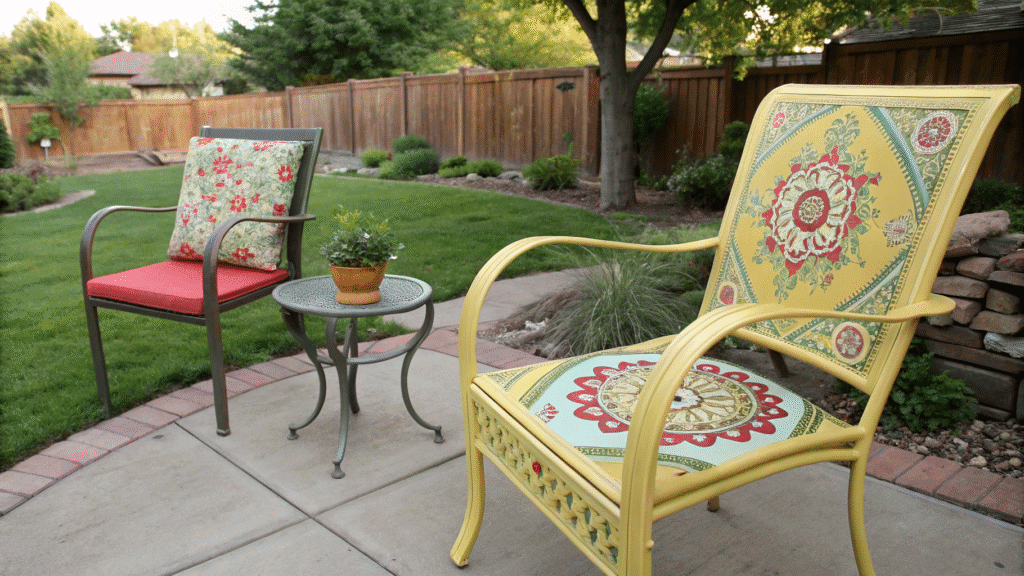
11+ Patio Chair Makeover Ideas to Refresh Your Furniture
Before you spend money replacing tired outdoor chairs, consider what a makeover could do. If your patio chairs are looking a little tired, a quick makeover can give them new life.
A fresh coat of paint, new cushions, or a simple fabric swap can transform a worn-out patio chair into something you are genuinely proud of, for a fraction of the cost of buying new.
Why a Patio Chair Makeover Is Almost Always Worth It
The instinct when outdoor furniture starts looking tired is to replace it. Before you do, it is worth understanding just how much a well-executed makeover can achieve and why it is so often the better choice.
The Structure Is Usually Fine
Most outdoor furniture fails cosmetically long before it fails structurally. A chair that looks terrible because its paint has faded, its fabric has worn, or its timber has greyed may still have a frame that is completely sound and capable of years more use. Replacing a sound frame because of cosmetic deterioration is expensive and wasteful. Addressing the cosmetic issues directly is almost always more economical and produces a result that can be just as satisfying as buying new.
Love Chic Living Club?
Add us as one of your preferred Google sources and discover more home decor, DIY, outdoor, and lifestyle inspiration from us.
New Is Not Always Better
There is a quality to well-made older outdoor furniture that new pieces at the same price point rarely match. Solid timber frames, heavy cast iron, hand-forged steel, and quality hardwood all have a substance and character that the mass-produced equivalents available today often lack. Restoring a genuinely good piece of outdoor furniture to its former condition is a far better investment than replacing it with a less well-made modern equivalent.
A Makeover Lets You Change the Aesthetic
If your outdoor chairs are in a style or color that no longer suits the direction you are taking your patio, a makeover lets you update the aesthetic without replacing the whole piece. A Victorian-style cast iron chair painted forest green looks completely different from the same chair painted gloss black. A traditional teak Adirondack re-stained in a darker tone looks far more contemporary than the same chair in its original honey color. The frame stays the same. The whole feel of the piece can change completely.
It Is a Satisfying and Accessible Project
A patio chair makeover is one of the most achievable DIY projects available. You do not need specialist skills, expensive equipment, or significant time to produce genuinely good results. A clean, well-sanded surface, quality paint or stain, and careful application produces results that are visually indistinguishable from a professional finish in most situations.
Assessing Your Chairs Before You Start
Before choosing a makeover approach, it is worth taking stock of what you are working with. Different chair materials and different conditions of deterioration call for different approaches.
Timber Chairs
Timber outdoor chairs deteriorate in predictable ways. Surface greying from UV exposure and weathering is purely cosmetic and easily addressed with sanding and re-finishing. Surface cracking of the paint or stain is also cosmetic and addressed the same way. Deeper cracking of the timber itself is more serious and suggests the wood has dried out significantly. This can often be addressed by sanding back to clean wood and applying a deep-penetrating timber oil before refinishing, but very deep or structural cracking may indicate the timber is too far gone for a cosmetic fix. Rot is the timber problem that cannot be addressed cosmetically. Soft, dark, crumbling timber is structurally compromised and the affected section needs replacing before any finishing work is worthwhile.
You May Also Love

Metal Chairs
Metal outdoor chairs, whether cast iron, wrought iron, or steel, fail primarily through rust. Surface rust, the reddish-brown discoloration that sits on the surface without penetrating deeply into the metal, is easily addressed with a rust-removing chemical treatment or mechanical sanding before re-priming and painting. Deeper rust that has pitted the surface of the metal requires more aggressive mechanical removal with a wire brush or angle grinder before treatment. Through-rust, where the metal has corroded all the way through creating holes or structural weakness, cannot be addressed cosmetically and indicates the piece needs professional repair or replacement.
Powder-coated aluminium chairs do not rust but the powder coat can chip, fade, and peel over time. Chips can be touched up with matching paint. Widespread peeling requires stripping the existing coating and recoating, which is typically a professional job for aluminium.
Wicker and Rattan Chairs
All-weather synthetic wicker and rattan chairs deteriorate most commonly through UV discoloration, surface cracking of the wicker strands, and occasional strand breakage. Minor strand breakage can be repaired with replacement strands in a matching material. Widespread cracking and brittle strands indicate the material is at the end of its useful life and cosmetic treatment will not meaningfully extend it. A deep clean and UV protective spray can refresh and protect synthetic wicker that is discolored but structurally sound.
Plastic Chairs
Plastic outdoor chairs are the hardest to makeover convincingly. Faded and chalky plastic can be cleaned and treated with a plastic restorer product that brings back some of the original color and sheen. Spray paint formulated for plastic provides a more transformative color change but requires very careful surface preparation for the paint to adhere properly and last. Structurally compromised plastic with cracks, stress fractures, or joint failures is not worth investing makeover effort in.
Preparing Patio Chairs for a Makeover
Preparation is the step that determines whether a patio chair makeover looks professional and lasts for years or looks patchy and starts failing within a season. Never skip or rush the preparation.
Cleaning
Every chair must be thoroughly cleaned before any other preparation work begins. Use a strong solution of dish soap and warm water with a stiff scrubbing brush to remove all surface dirt, algae, grime, and any loose or flaking existing finish. A pressure washer on a moderate setting is very effective for timber and metal chairs. Allow the chair to dry completely before proceeding to the next step.
Don't miss: 12+ Cozy Patio Seating Ideas for Small Spaces →
Sanding
Timber chairs need sanding to remove surface grey, smooth any rough areas, and provide a key for new finish. Start with 80 or 100 grit sandpaper to remove the bulk of the old finish and surface damage, then finish with 120 to 150 grit for a smooth surface. Always sand with the grain on timber surfaces.
Metal chairs with surface rust need rust treatment. A rust converter product applied to affected areas chemically neutralises the rust and converts it to a stable surface that can be painted over. Alternatively, mechanical removal with a wire brush, wire wheel attachment on a drill, or sandpaper removes the rust physically. Always follow with a rust-inhibiting metal primer before applying the topcoat.
Priming
Priming is the step most people skip in an effort to save time and it is the step most responsible for paint failures in outdoor settings. A good quality exterior primer applied to a properly prepared and clean surface provides the adhesion foundation that makes the topcoat durable and long-lasting. For timber, use an exterior wood primer. For metal, use a rust-inhibiting metal primer. For plastic, use a plastic primer spray. Skip the primer and the topcoat will start failing within one season regardless of its quality.
Choosing the Right Paint and Finish for Outdoor Chairs
Not all paints are suitable for outdoor furniture and choosing the wrong product is the most common cause of a paint job that looks great initially but fails quickly.
Exterior Timber Paint and Stain
For timber outdoor chairs, exterior-grade paints and stains specifically formulated for outdoor wood use are the correct choice. These products contain UV stabilisers and fungicides that prevent the premature fading, cracking, and mould growth that standard interior paints develop quickly when used outside. Satin and semi-gloss finishes are more durable and easier to clean than flat finishes for outdoor furniture applications.
Keep Exploring
Spray Paint for Metal
Aerosol spray paints formulated for metal and outdoor use, with brands like Rust-Oleum being the most widely available and reliable, produce excellent results on metal outdoor chairs with the right preparation. The key advantages of spray paint for chairs are the ability to reach into complex profiles and decorative details that a brush cannot access easily, and the very smooth finish that spray application produces. Multiple thin coats produce far better results than one or two heavy ones.
Chalk Paint for a Matte Look
Chalk paint has become popular for patio furniture makeovers because it adheres to almost any surface with minimal preparation, dries quickly, and produces a beautiful matte finish. For outdoor use, chalk-painted furniture must be sealed with a durable outdoor topcoat of wax or varnish to protect the porous paint surface from moisture. Unsealed chalk paint outdoors absorbs water, develops mildew, and fails quickly.
Timber Oil and Stain
For hardwood outdoor chairs like teak, ipe, or cedar, penetrating timber oil is often a better choice than surface paint or stain. Oil penetrates the wood fibers and nourishes them from within, bringing out the natural grain and color of the timber. It does not form a film on the surface that can peel and flake like paint. It is easy to apply and easy to maintain with annual reapplication.
These ideas cover every skill level, every material, and every budget so you can find the right refresh for your outdoor furniture.
1. Repaint in a New Color
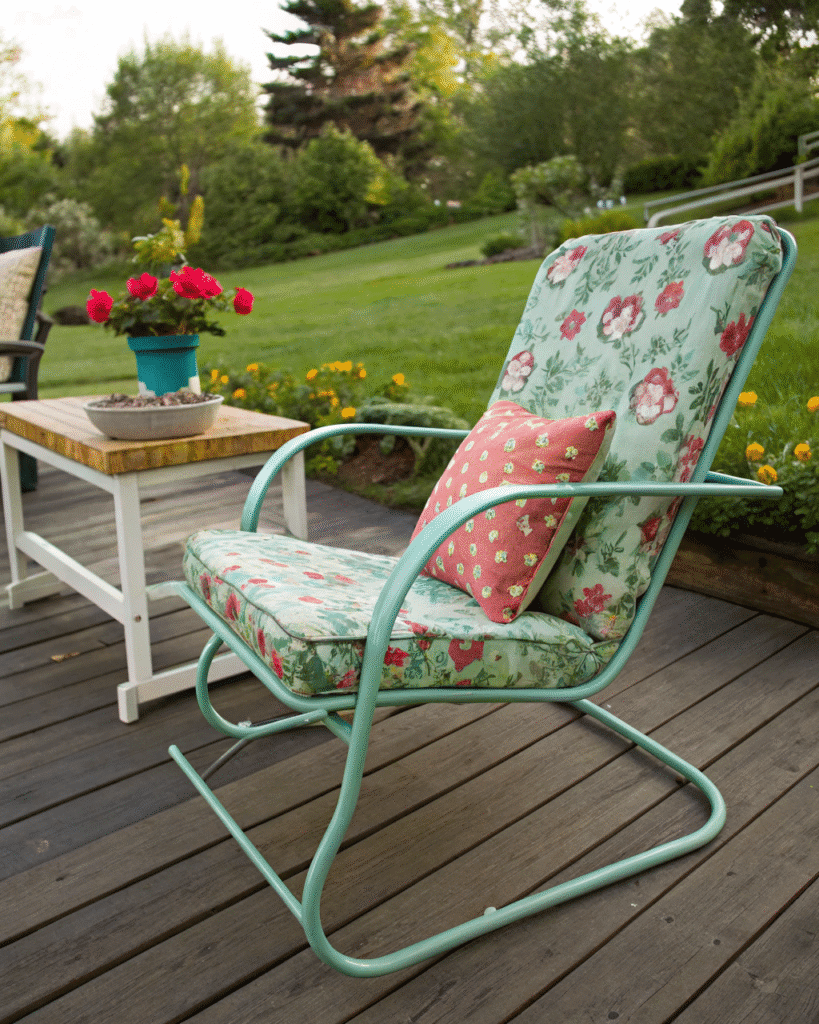
A coat of outdoor paint can transform old chairs instantly.
Pro Tip: Try coastal blues, soft greens, or matte black for a modern, timeless look.
2. Add New Cushions
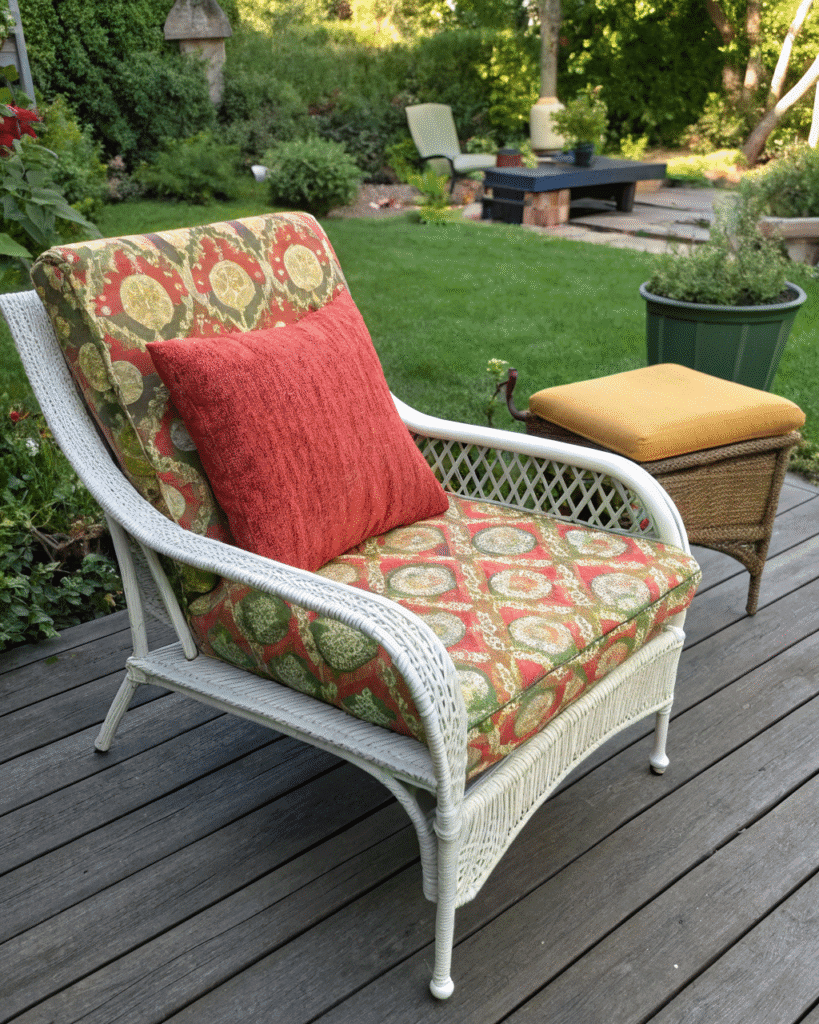
Swap worn cushions for fresh patterns or textured fabrics.
Pro Tip: Use weather-resistant covers to keep them looking bright all season.
3. Re-Stain Wooden Chairs
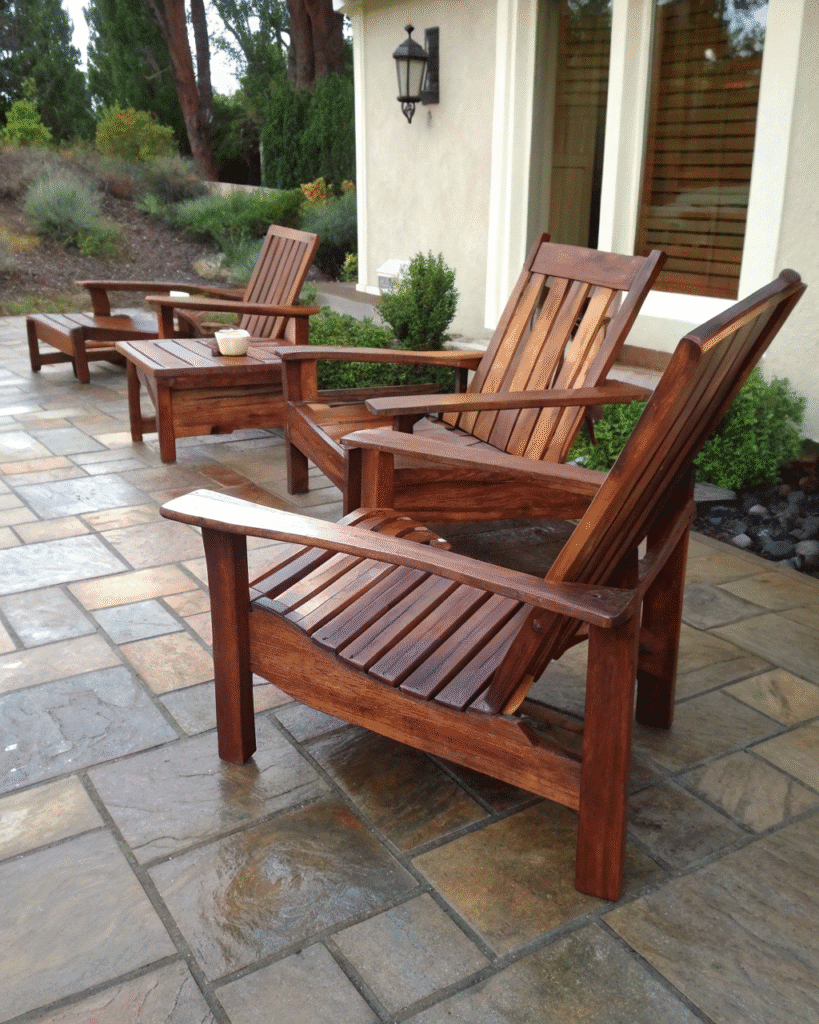
Bring faded wooden chairs back to life with a rich stain finish.
Pro Tip: Sand the surface first and seal it for extra protection against rain and sun.
4. Spray Paint Metal Frames
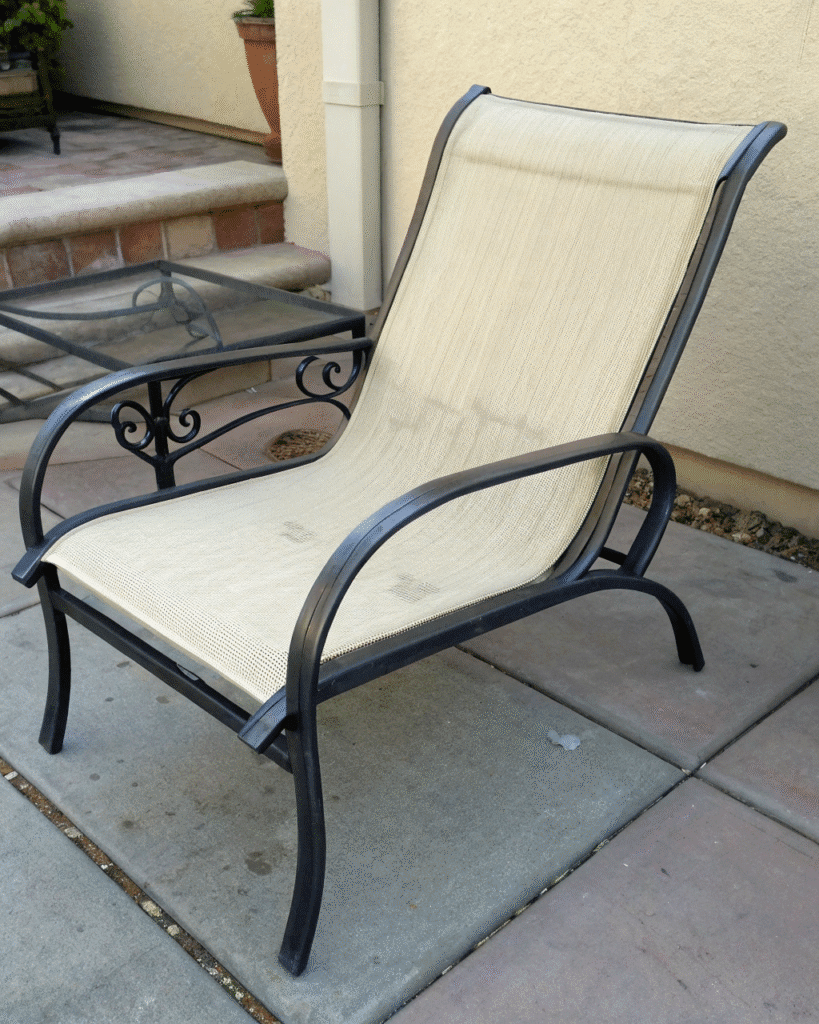
Metal patio chairs can look brand new with a few layers of spray paint.
Pro Tip: Choose rust-resistant paint and allow proper drying between coats.
5. Replace Fabric Seats
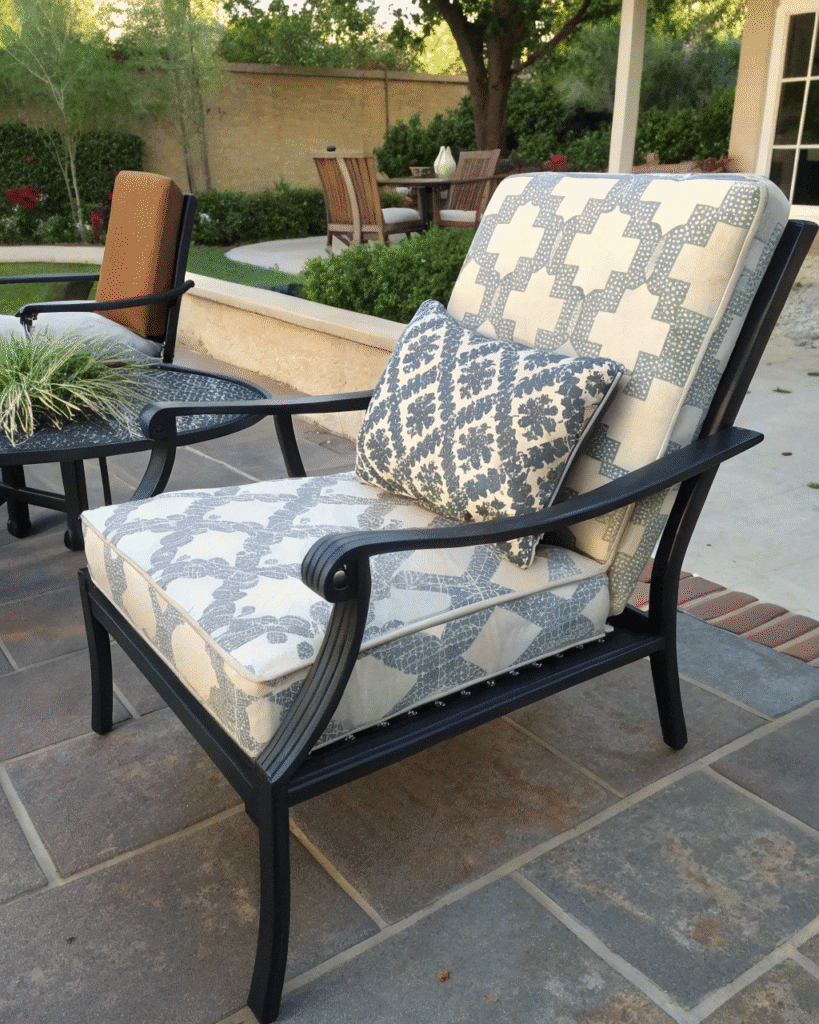
If your chairs have fabric seats, replace the material with durable outdoor fabric.
Pro Tip: Use neutral tones for a versatile, long-lasting update.
6. Add Decorative Pillows
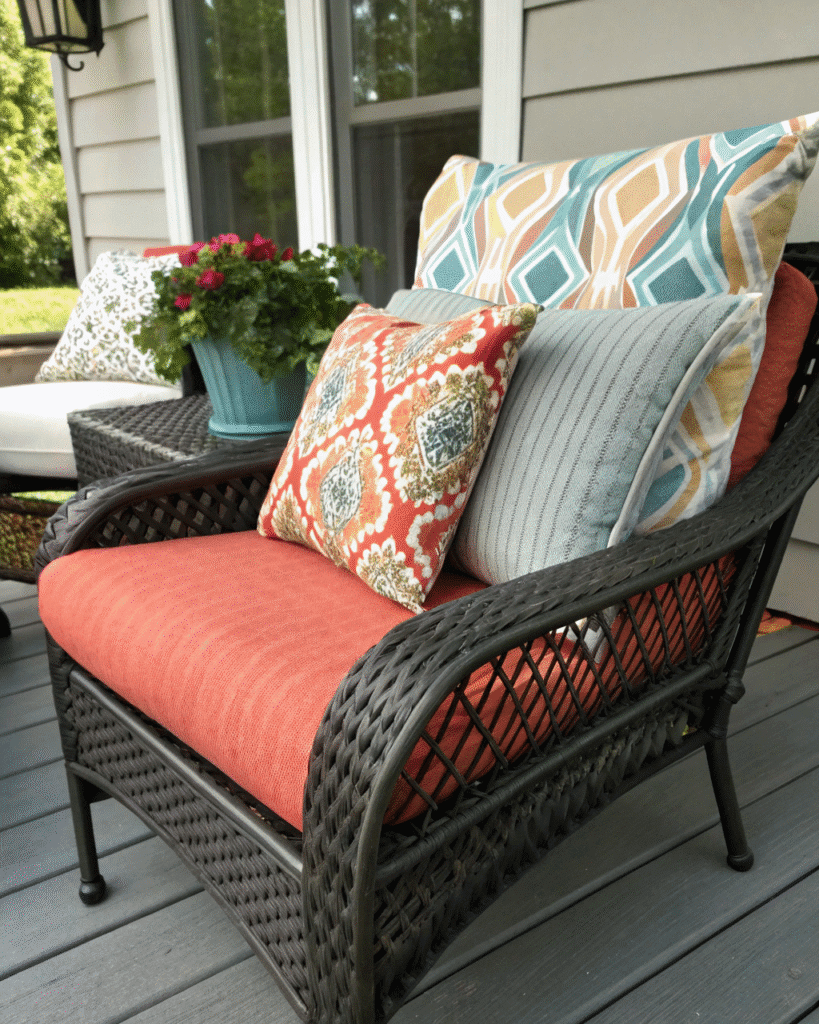
Small accent pillows add color, texture, and comfort to your chairs.
Pro Tip: Mix prints with solids for a balanced, coordinated look.
7. Refresh with Rope or Twine
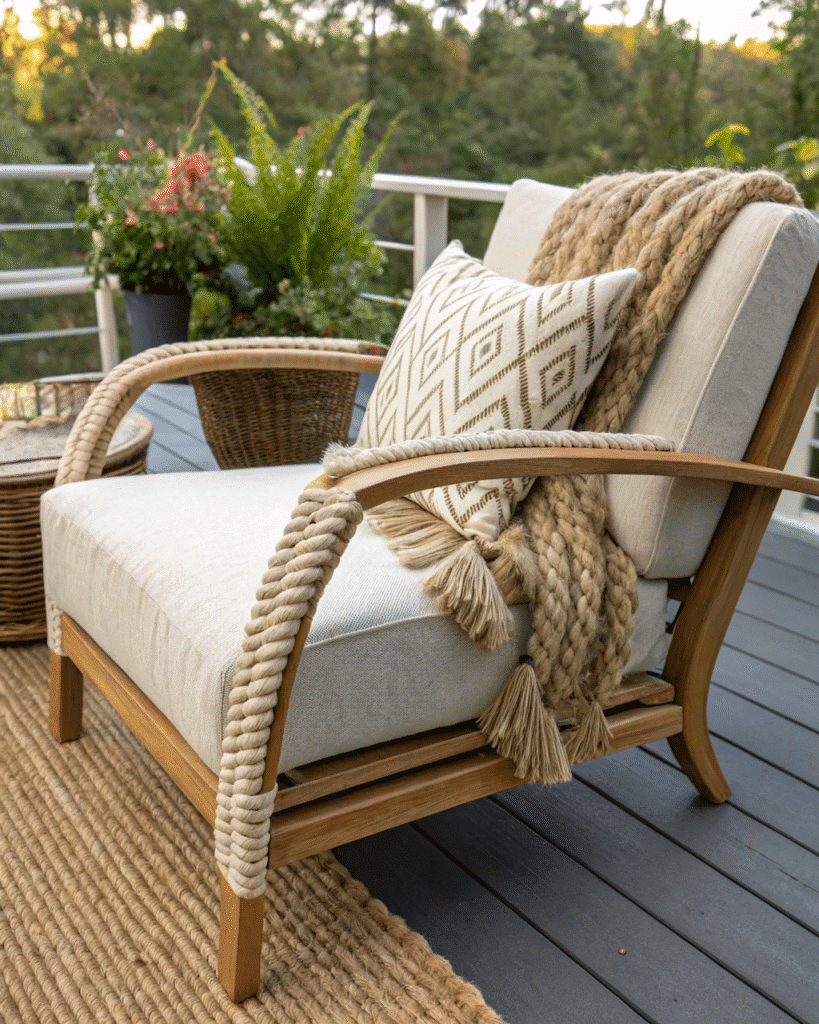
Wrap armrests or chair backs with natural rope for a boho-inspired upgrade.
Pro Tip: Secure ends neatly and coat with sealant to keep it weatherproof.
8. Create Two-Tone Finishes
Paint the seat and legs in contrasting colors for a fresh, custom look.
Pro Tip: Use painter’s tape for crisp edges and a clean design.
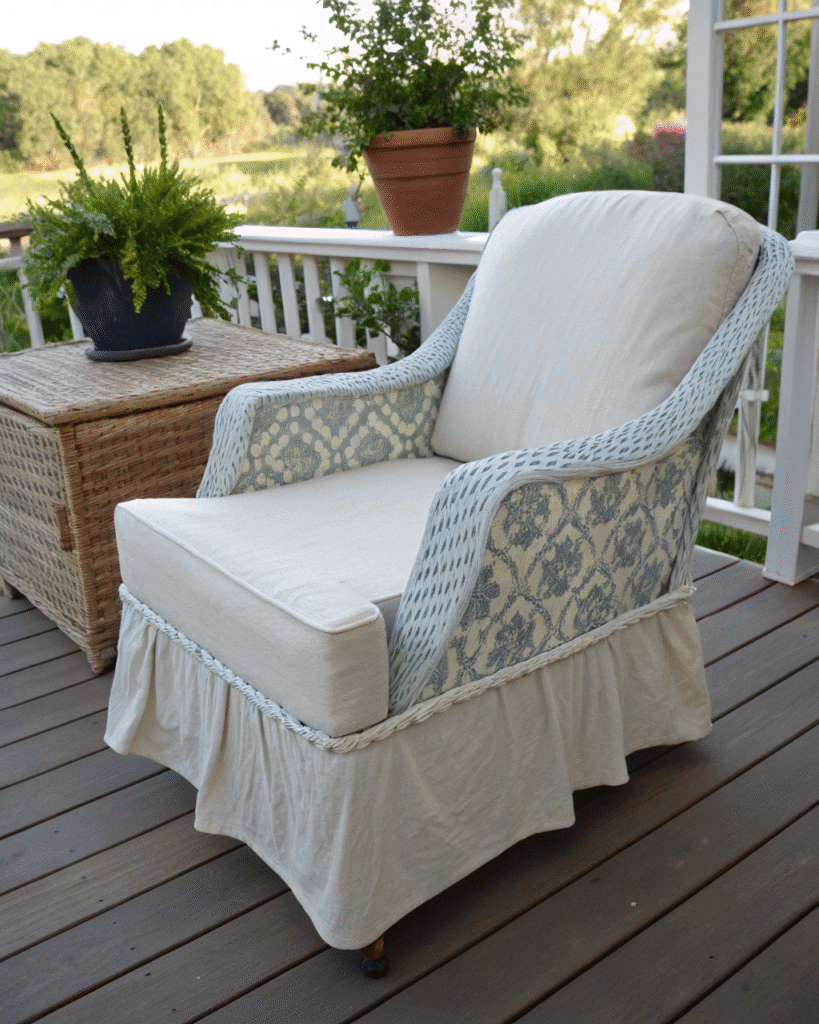
9. Add Slipcovers

Slipcovers are perfect for quickly refreshing chairs and hiding wear.
Pro Tip: Pick washable fabrics for easy cleaning and seasonal style changes.
10. Decorate with Stencils
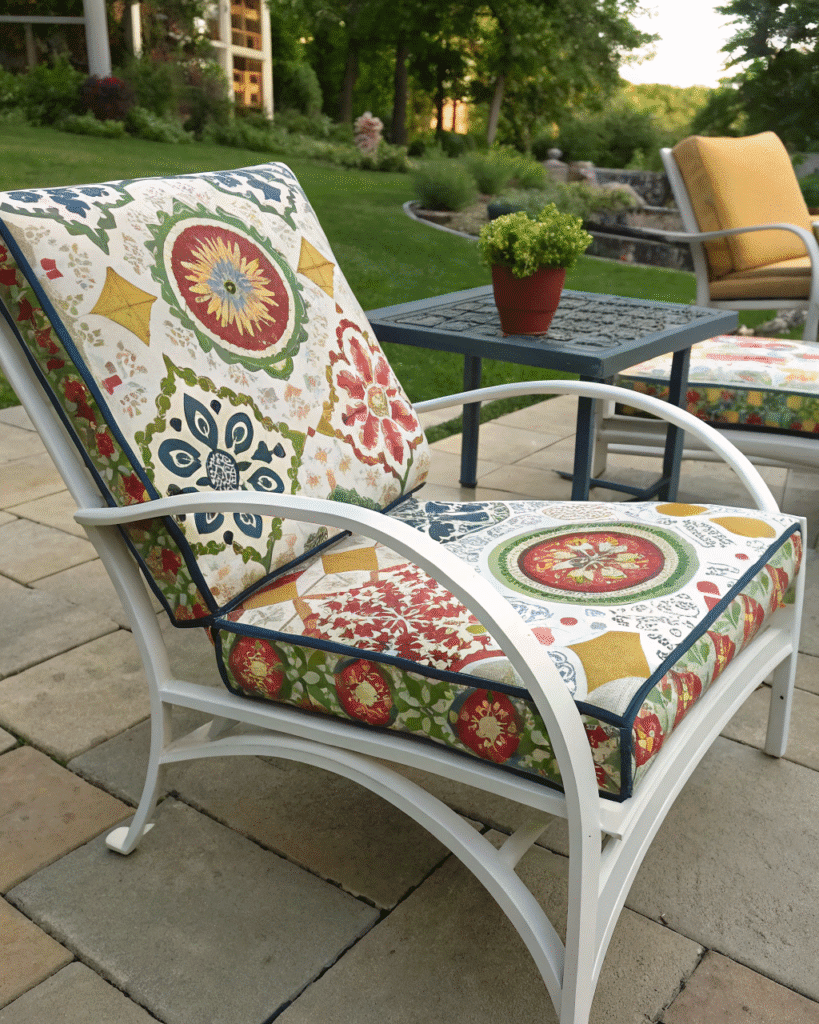
Add patterns or motifs using stencils and outdoor paint.
Pro Tip: Choose subtle designs like leaves or geometric shapes for a modern touch.
11. Add New Hardware
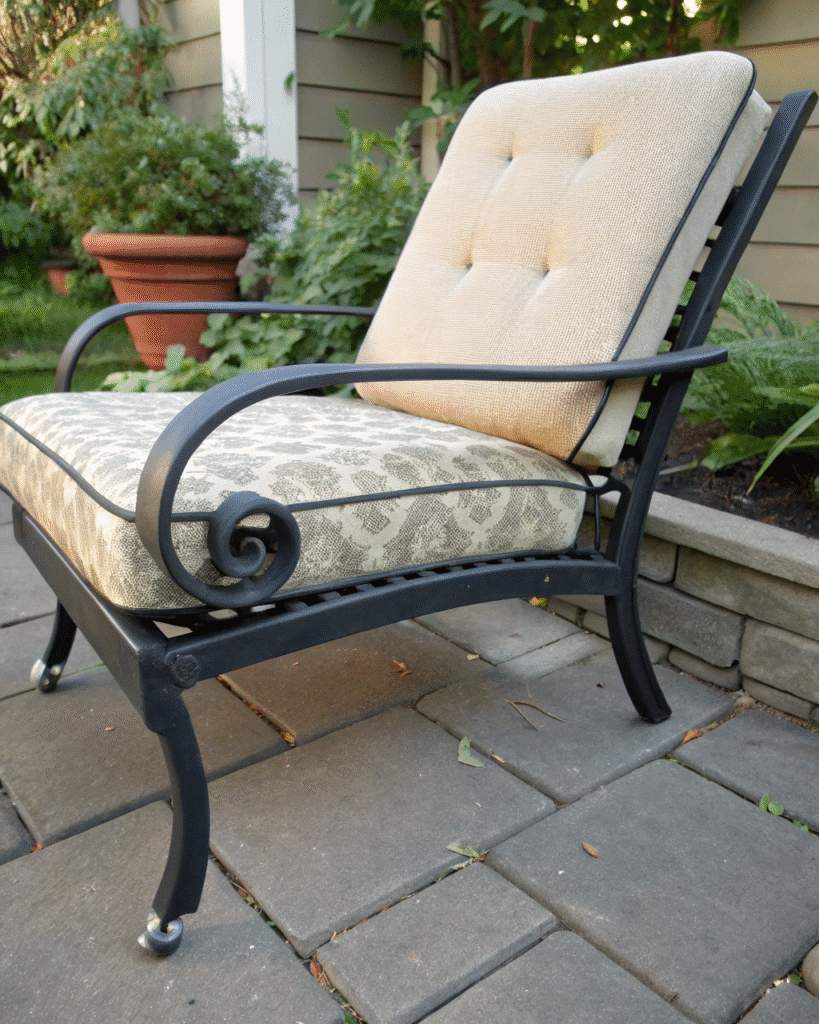
Replace bolts, screws, or chair feet to improve both style and stability.
Pro Tip: Use stainless steel hardware for durability in outdoor conditions.
Final Thoughts
A patio chair makeover is one of those projects that delivers more satisfaction and more visual impact than almost any other home improvement task for the time and money it requires.
The transformation from a tired, neglected chair to something you are genuinely proud of is immediate and deeply satisfying and the skills involved are accessible to almost anyone willing to take a little care with preparation.
Before you replace another piece of outdoor furniture, give it the makeover it deserves. You will almost certainly be glad you did.
FAQs
What type of paint is best for outdoor plastic chairs?
Spray paint specifically formulated for plastic and outdoor use is the most effective choice for plastic outdoor chairs. Products like Rust-Oleum 2X Spray Paint bond to plastic surfaces without a separate primer when the surface is properly cleaned and lightly scuffed with fine sandpaper. Standard exterior paint does not adhere reliably to plastic surfaces and will peel quickly without the correct plastic-specific formulation.
How do I stop paint peeling on outdoor chairs?
Paint peeling on outdoor chairs is almost always caused by inadequate preparation or the wrong product for the surface. Ensure the chair surface is completely clean, dry, and free of any loose or flaking existing finish before painting. Apply the appropriate primer for the surface material before the topcoat. Use exterior-grade paint formulated for the specific material of the chair. Apply multiple thin coats rather than one heavy one. Allow full curing time before the chair is used or exposed to rain.
How long does a patio chair makeover typically last?
A properly prepared and properly painted outdoor chair makeover should last three to five years before needing refreshing in most climates. Chairs in direct full sun exposure will need refreshing more frequently, typically every two to three years, as UV degradation accelerates paint breakdown. Chairs in covered or shaded positions last significantly longer between makeovers.
Can I makeover plastic resin chairs?
Yes, with the right approach. Clean the chairs thoroughly and remove any chalk from the surface with a plastic restorer product or a light sand with fine sandpaper. Apply a spray primer specifically formulated for plastic surfaces and follow with a spray topcoat in your chosen color, also formulated for plastic. The result can be genuinely impressive on structurally sound resin chairs that simply need a color and cosmetic refresh.
Is it worth repairing wicker patio chairs?
Minor wicker repairs, replacing a few broken or missing strands, regluing loose joints, and refreshing the color with a tinted sealant or spray paint, are worth doing if the majority of the chair is structurally sound. Widespread deterioration of the wicker material, particularly if the strands are brittle, crumbling, or extensively broken, is typically not worth repairing since the remaining material will continue to fail rapidly and the repair will look patchy against the deteriorated background.
What is the easiest patio chair makeover for a beginner?
Adding new cushions is the easiest and most immediately impactful makeover for any beginner, requiring no preparation, no tools, and no skills beyond choosing a cushion that fits the chair and suits the color palette. Spray painting a metal frame is the next most accessible project for a beginner willing to invest a little more effort, as spray paint is forgiving of technique imperfections and produces good results relatively quickly. Both projects deliver genuinely significant visual improvement with minimal complexity.