16+ Patio Garden Ideas to Add Greenery
A patio without plants is a room without personality. The furniture can be beautiful, the lighting can be perfect, and the flooring can be immaculate, but without greenery something fundamental is still missing. Plants are what connect a patio to the living, breathing world around it. They add color, texture, fragrance, movement, and a quality of life that no inanimate object can replicate. They make a patio feel genuinely inhabited rather than simply decorated.
The great thing about adding plants to a patio is that you do not need a garden to do it. You do not need ground space, a yard, or even particularly good soil. Container gardening, vertical planting, hanging baskets, and raised beds have made it possible to grow an extraordinary range of plants on any patio surface regardless of its size or its relationship to the surrounding landscape. A tiny urban balcony can be as lush and green as a sprawling suburban backyard if the plants are chosen and arranged with intention.
Why Plants Make Such a Difference to a Patio
The benefits of patio plants go well beyond the visual. Plants on a patio genuinely improve the experience of being in that space in ways that are measurable as well as felt.
They soften hard surfaces. Every patio is built primarily from hard materials: concrete, stone, wood, metal, and tile. These materials are functional and beautiful but they have a hardness and rigidity that plants counteract naturally. A trailing plant softening the edge of a raised bed, a climbing vine breaking up the expanse of a brick wall, a cluster of ferns in the corner of a concrete patio. Plants introduce organic curves, soft textures, and a sense of natural growth that makes hard outdoor surfaces feel significantly more welcoming.
Love Chic Living Club?
Add us as one of your preferred Google sources and discover more home decor, DIY, outdoor, and lifestyle inspiration from us.
They provide privacy. Strategic placement of tall planters, bamboo screens, or climbing plants on a trellis can create effective privacy screening for a patio without any permanent construction. A row of tall ornamental grasses in large planters along a patio edge provides privacy from a neighboring yard. A wall of climbing jasmine or climbing hydrangea on a trellis creates a living privacy screen that is far more beautiful than any fence.
They improve the air quality and the microclimate of the space. A well-planted patio is measurably cooler in summer than a bare one. Plants transpire moisture through their leaves which reduces the ambient temperature around them and the shade from larger container plants and climbing plants reduces direct sun on surfaces that would otherwise absorb and radiate heat. In an urban patio environment where heat island effects can be significant, strategic planting genuinely improves comfort on hot summer days.
How to Choose the Right Plants for Your Patio
The most important factor in choosing patio plants is matching each plant to the specific light conditions of your space. More container plants die from being placed in the wrong light conditions than from any other cause. Understanding what you have before you choose what to grow saves enormous frustration and expense.
Assessing Your Light Conditions
A south-facing patio in full sun most of the day is completely different growing territory from a north-facing patio that receives no direct sun. An east-facing patio gets gentle morning sun and afternoon shade. A west-facing patio gets the hottest afternoon sun of the day. Observe your patio through a full day at the time of year you plan to garden most actively and note which areas receive direct sun and for how many hours. Plants labeled as full sun require six or more hours of direct sun daily. Part sun or part shade plants need three to six hours. Shade plants need less than three hours of direct sun and may thrive in bright indirect light.
Container Gardening Fundamentals
All patio plants grown in containers have specific needs that differ from the same plants grown in the ground. Container soil dries out faster than garden soil, which means more frequent watering, especially in summer. Container plants also exhaust the nutrients in their soil faster than ground-planted plants and benefit from regular feeding with a balanced liquid fertilizer through the growing season. The size of the container matters significantly: a plant in a container that is too small for its root system will be stressed, slow-growing, and thirsty constantly. When in doubt, size up.
Good drainage is non-negotiable for container plants. Every container used for patio gardening should have drainage holes in the base. A container without drainage causes root rot in almost every plant eventually, regardless of how carefully you water. If you want to use a decorative container without drainage holes, use it as a cachepot and place the actual planted container with drainage holes inside it.
The Best Patio Plants by Category
Before diving into the specific ideas, here is a quick guide to the most reliable and beautiful plants across the main patio gardening categories.
For structure and year-round interest, topiary boxwood, standard bay trees, ornamental grasses, Japanese maples, and architectural plants like agave and phormium are all excellent choices. These give your patio garden a structural backbone that looks good in every season.
For color and flowering, petunias, geraniums, calibrachoa, begonias, impatiens, and osteospermum are all reliable and long-flowering choices for containers in sun to part shade. For shade situations, fuchsias, begonias, and impatiens are the most reliably colorful options.
For fragrance, jasmine, gardenia, lavender, sweet alyssum, heliotrope, and scented-leaf geraniums all bring beautiful fragrance to a patio environment. Fragrant plants placed near seating areas or in the path of prevailing breeze maximize the impact of their scent on the overall sensory experience of the space.
For texture and foliage interest, caladiums, elephant ears, hostas, heuchera, and coleus all bring extraordinary leaf color and texture to shaded or partly shaded patio gardens. In full sun positions, dusty miller, ornamental sweet potato vine, and coleus provide foliage interest that complements flowering plants beautifully.
These 16 ideas cover every approach to patio garden design from a simple corner of potted plants to a full edible garden setup, so you can find the right level of greenery for your space and your lifestyle.
1. Potted Plant Corners
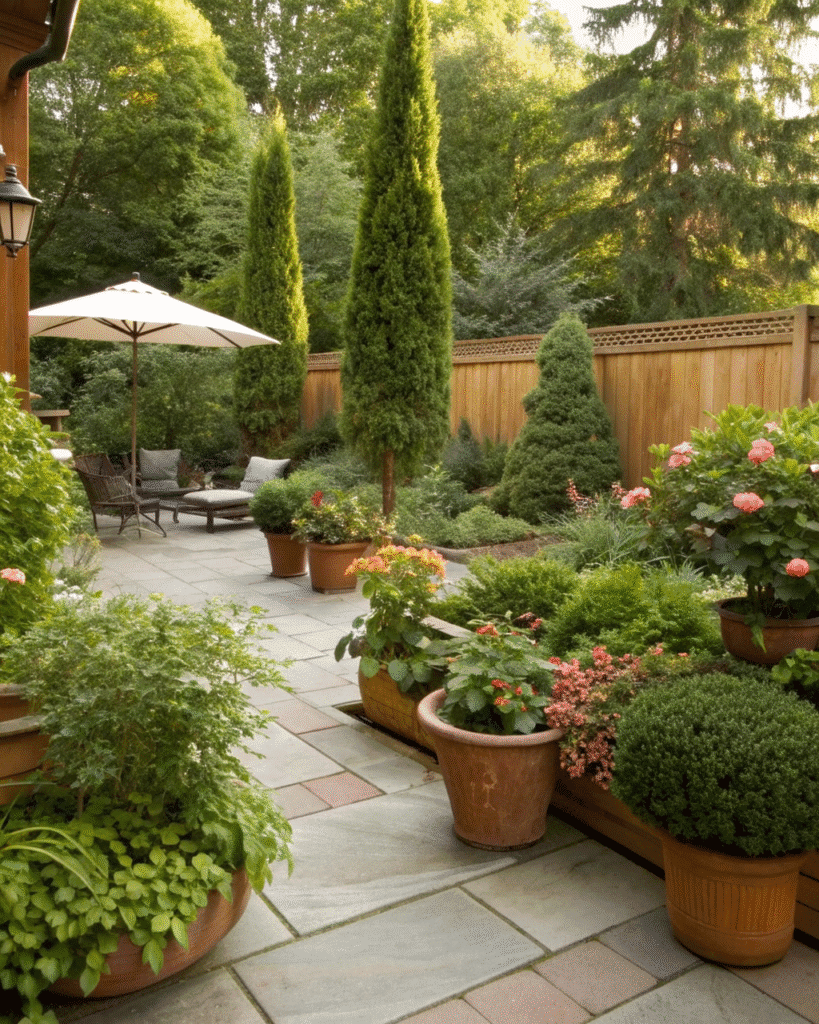
Create lush corners with groups of potted plants in various sizes.
Pro Tip: Mix tall plants like palms with small succulents for balanced layering.
2. Vertical Garden Wall
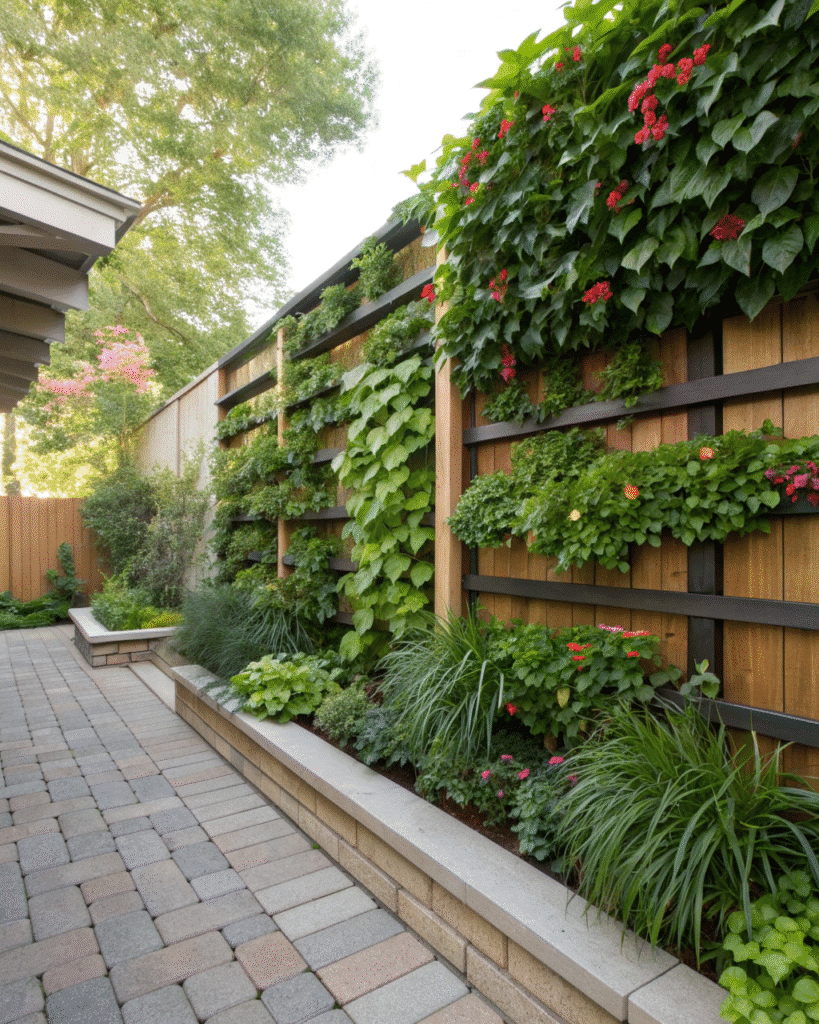
A vertical garden is perfect for small patios and adds a modern green statement.
Pro Tip: Use a mix of herbs and leafy greens for a functional and decorative look.
3. Hanging Planters
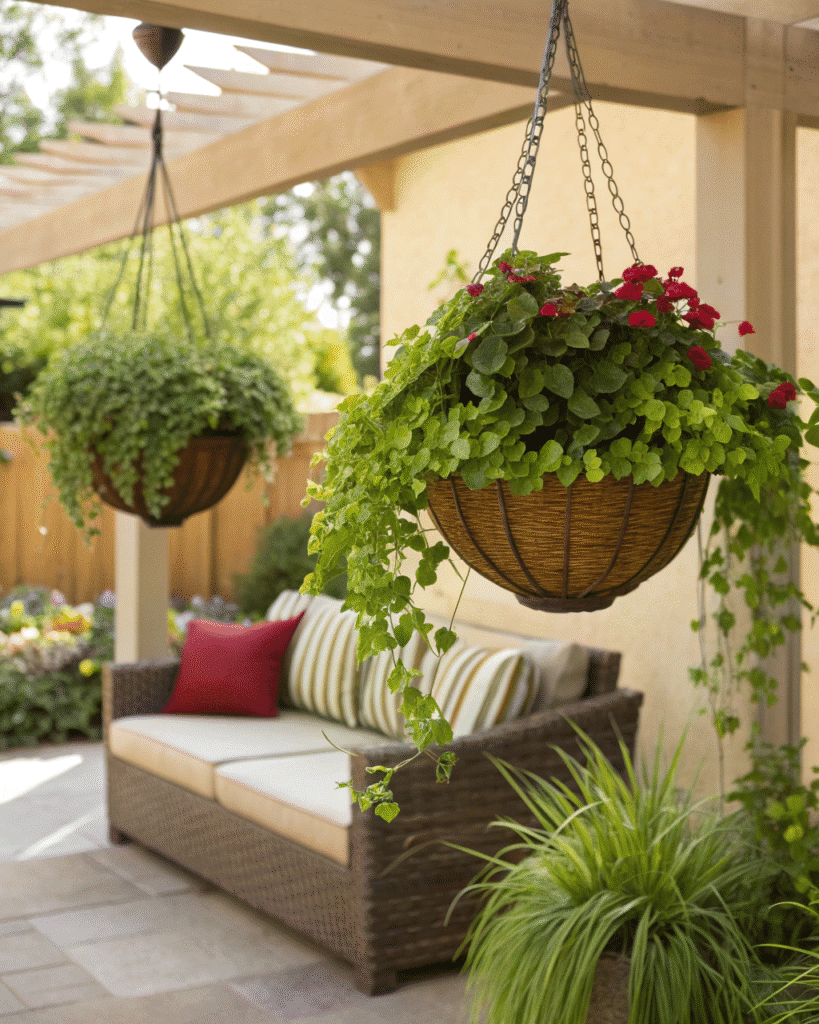
Hanging planters save space and add movement to your patio decor.
Pro Tip: Choose trailing plants like ivy or string of pearls for a cascading effect.
You May Also Love
4. Built-In Planter Boxes
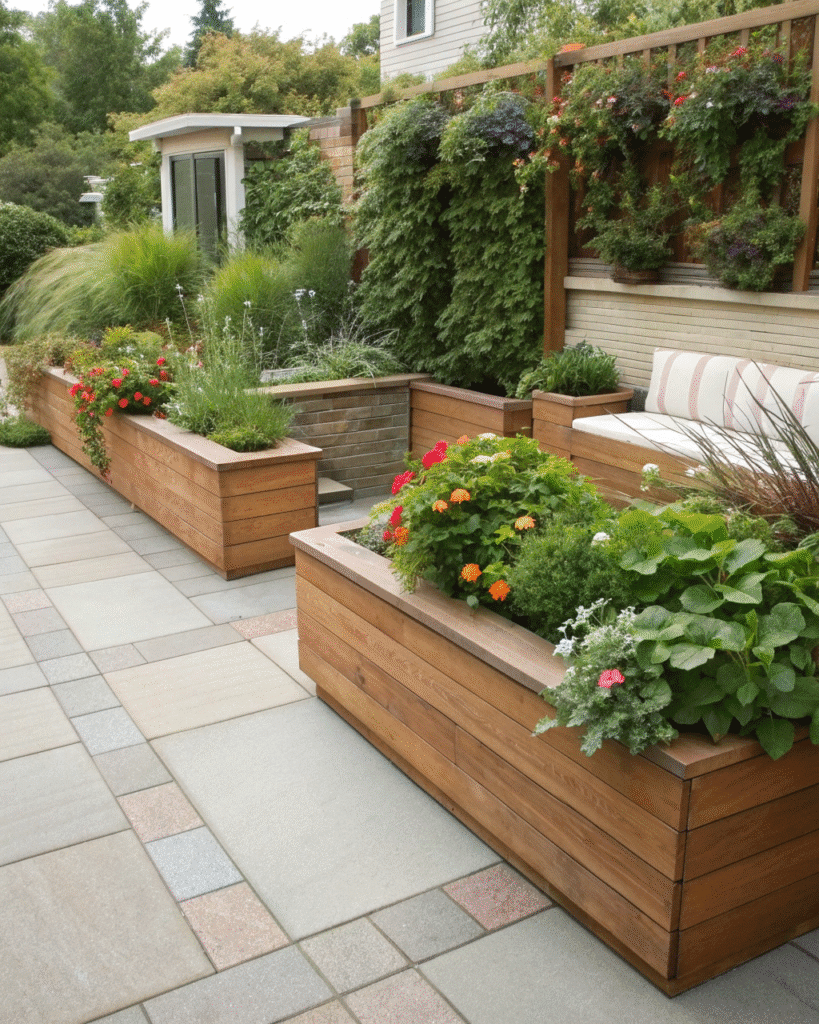
Planter boxes integrated into seating or walls keep greenery organized.
Pro Tip: Use matching materials for a seamless and clean aesthetic.
5. Herb Garden Setup
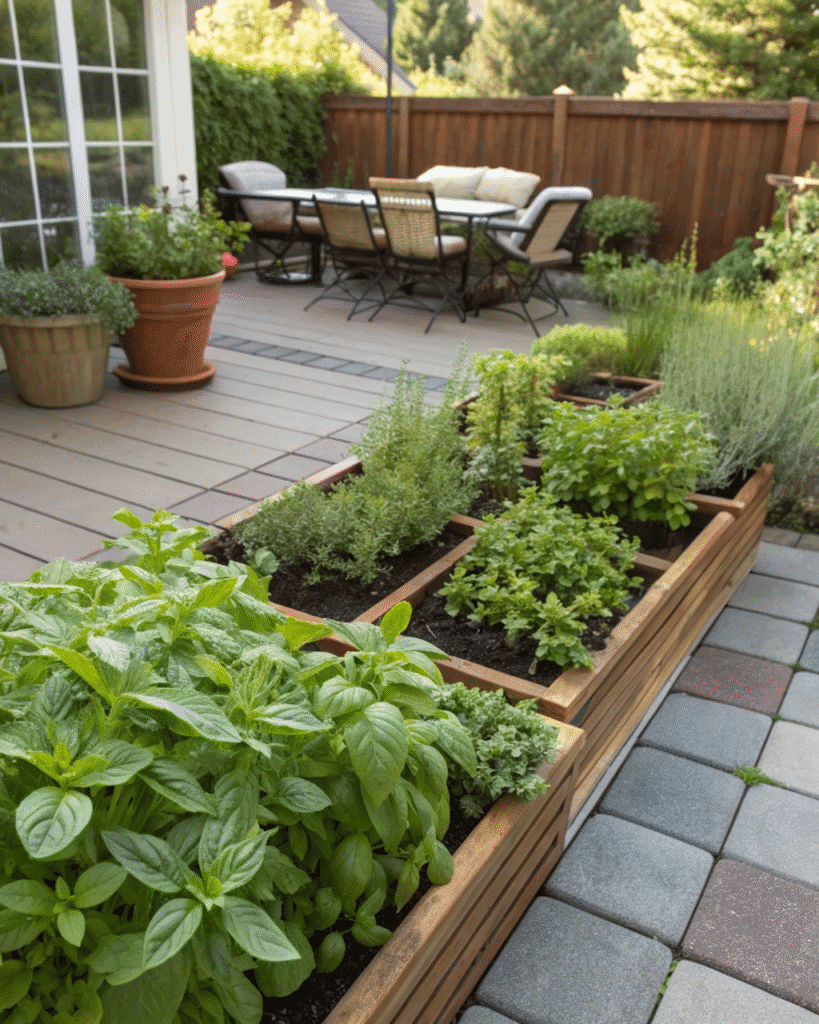
Grow fresh herbs like basil, mint, and rosemary for fragrance and flavor.
Pro Tip: Place them near your dining area for easy access while cooking or serving.
6. Garden Ladder Shelf
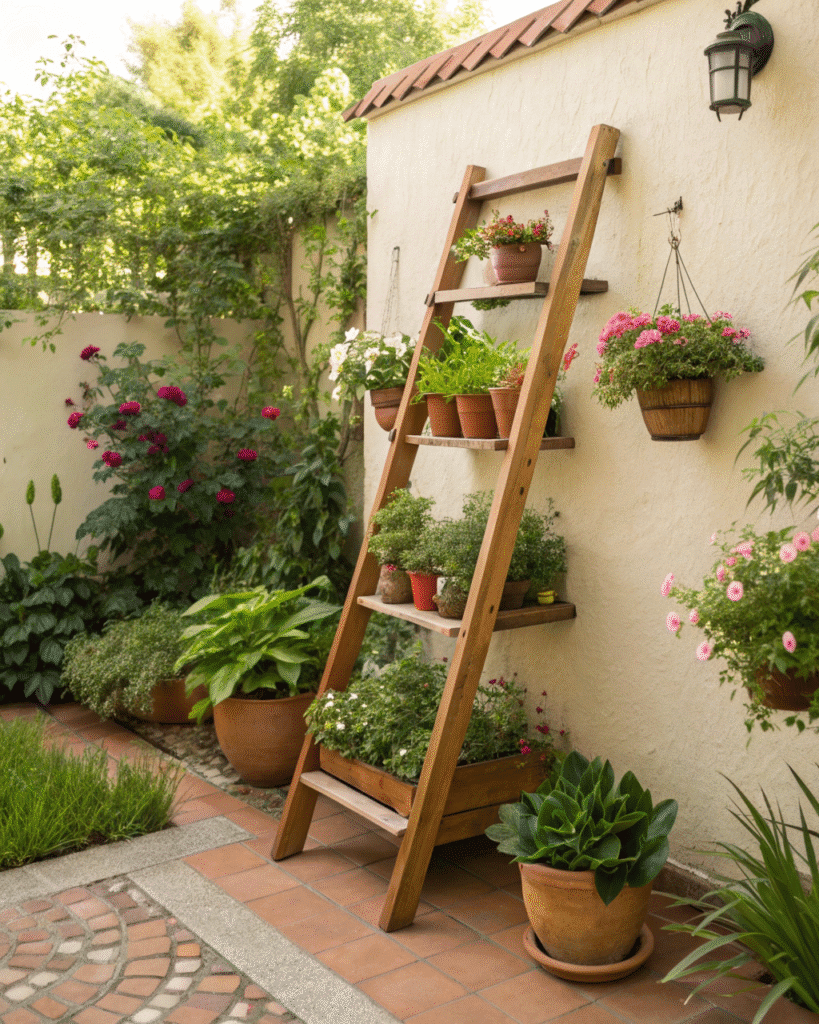
A wooden ladder shelf makes a stylish plant stand for compact spaces.
Pro Tip: Stagger plant heights to give your display a natural flow.
7. Container Garden Mix
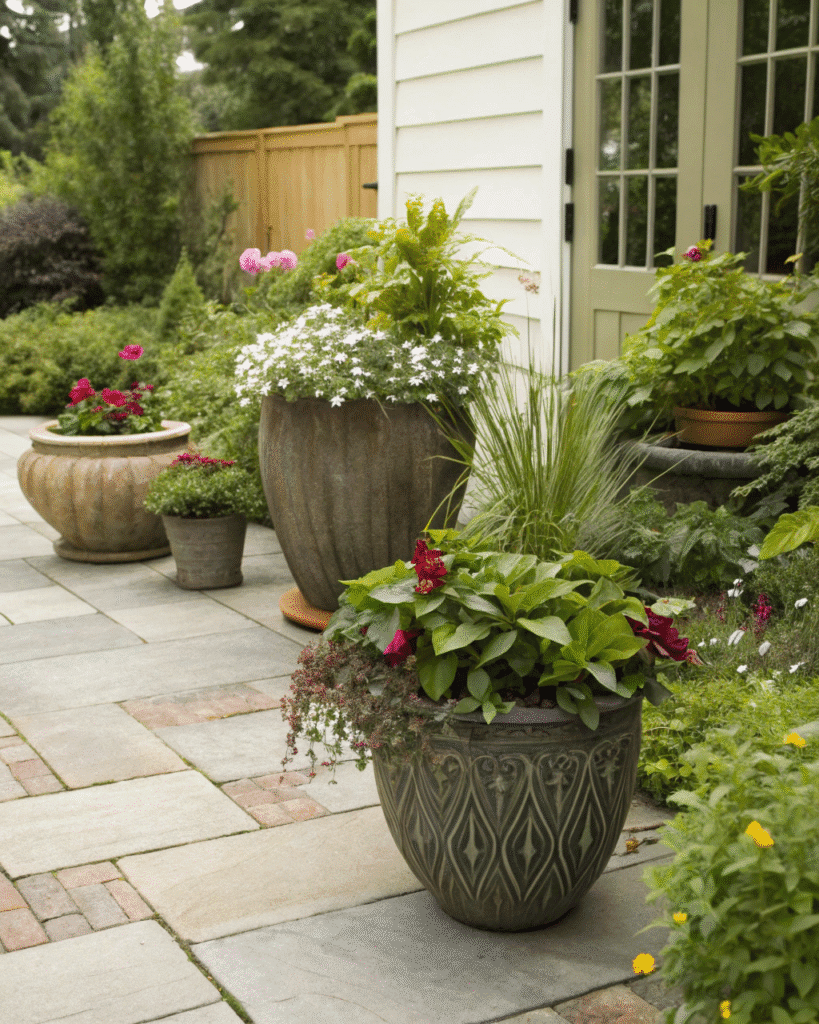
Combine different pot shapes and materials for visual interest.
Pro Tip: Stick to a consistent color palette to maintain a cohesive look.
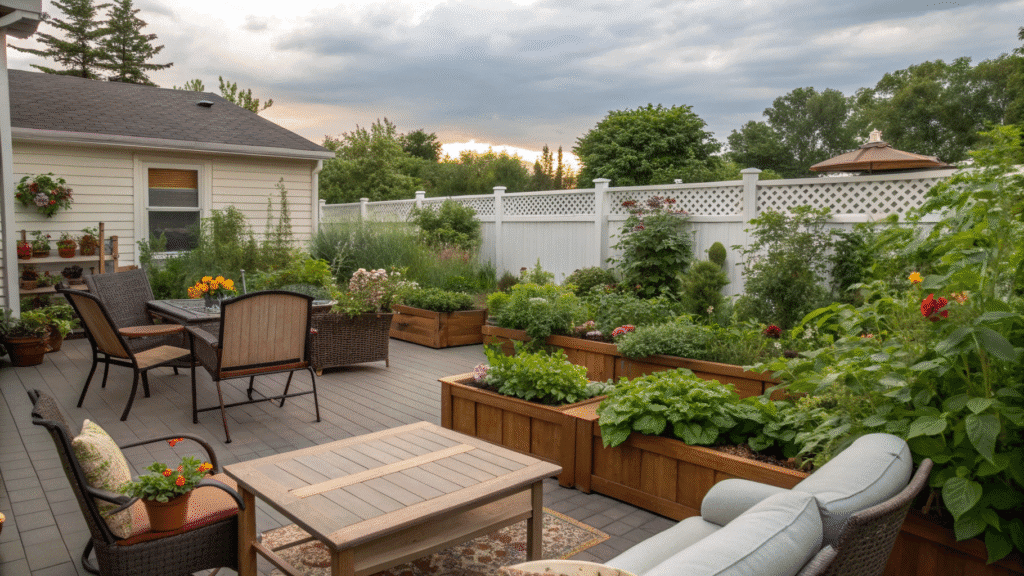
8. Raised Garden Beds
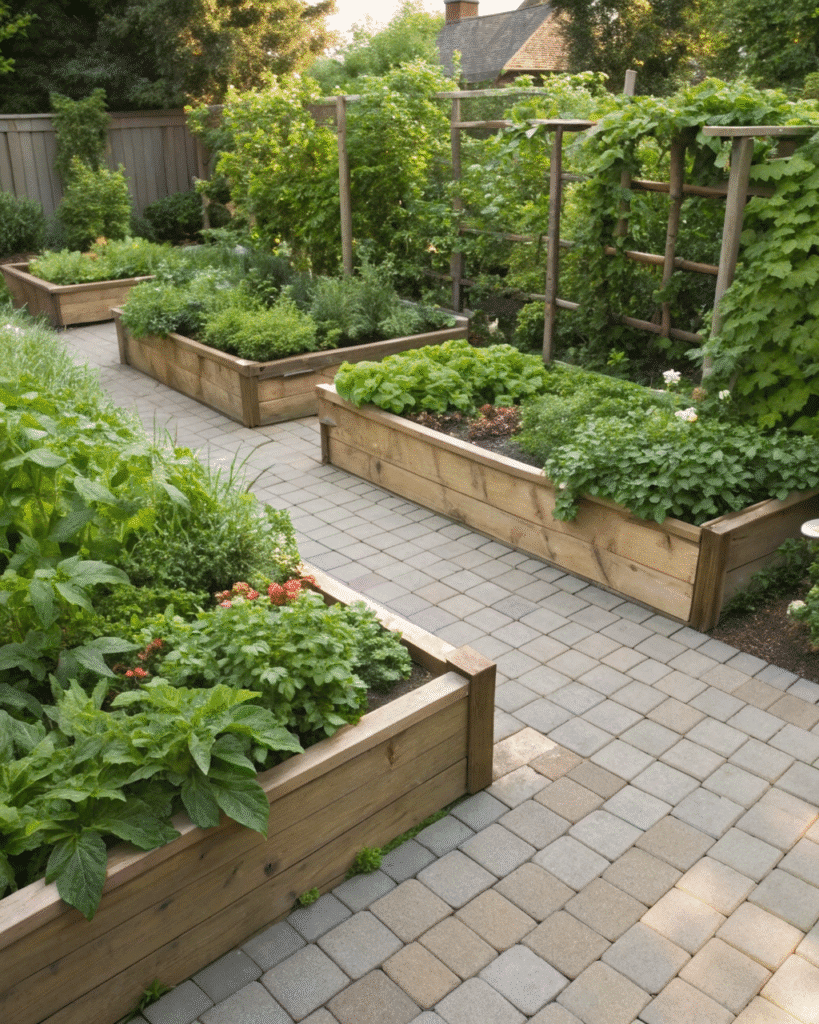
Raised beds help define space and make gardening easier to manage.
Pro Tip: Choose lightweight composite wood for durability and easy movement.
Don't miss: 18+ Patio Remodel Ideas for Family Gatherings →
9. Trellis Wall
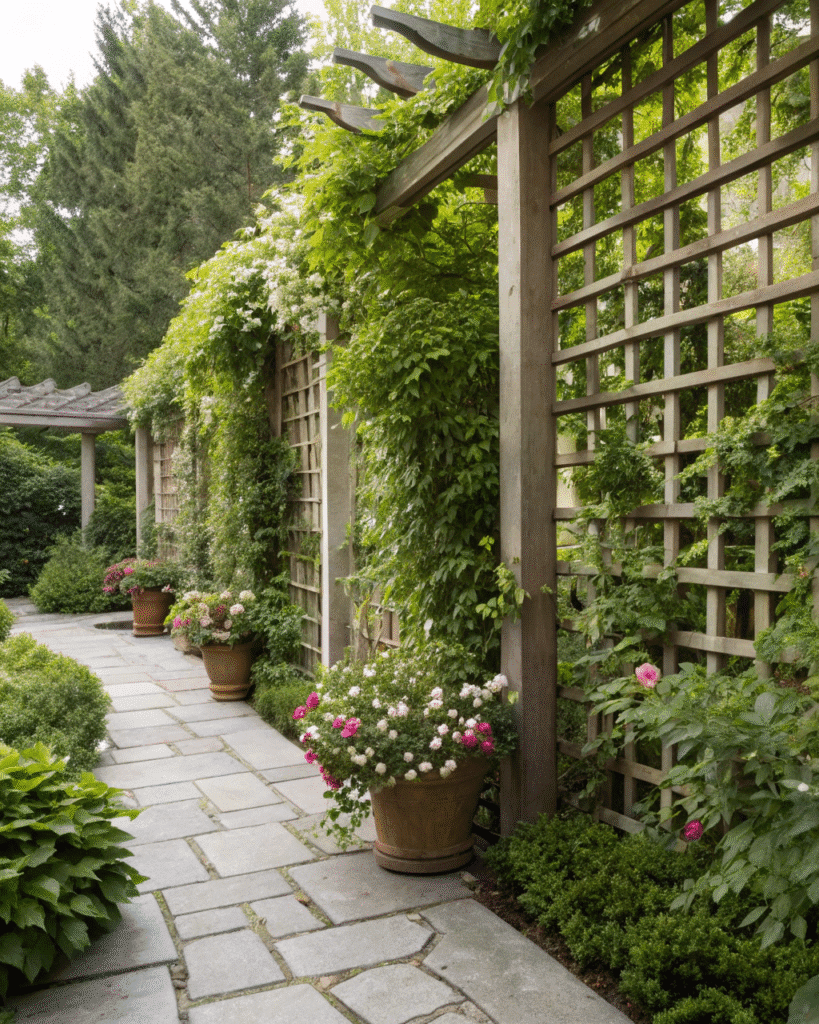
Add climbing plants on a trellis to bring vertical greenery to your patio.
Pro Tip: Train plants like jasmine or bougainvillea for lush, fragrant coverage.
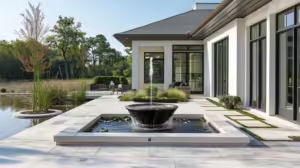
10. Water Feature with Plants
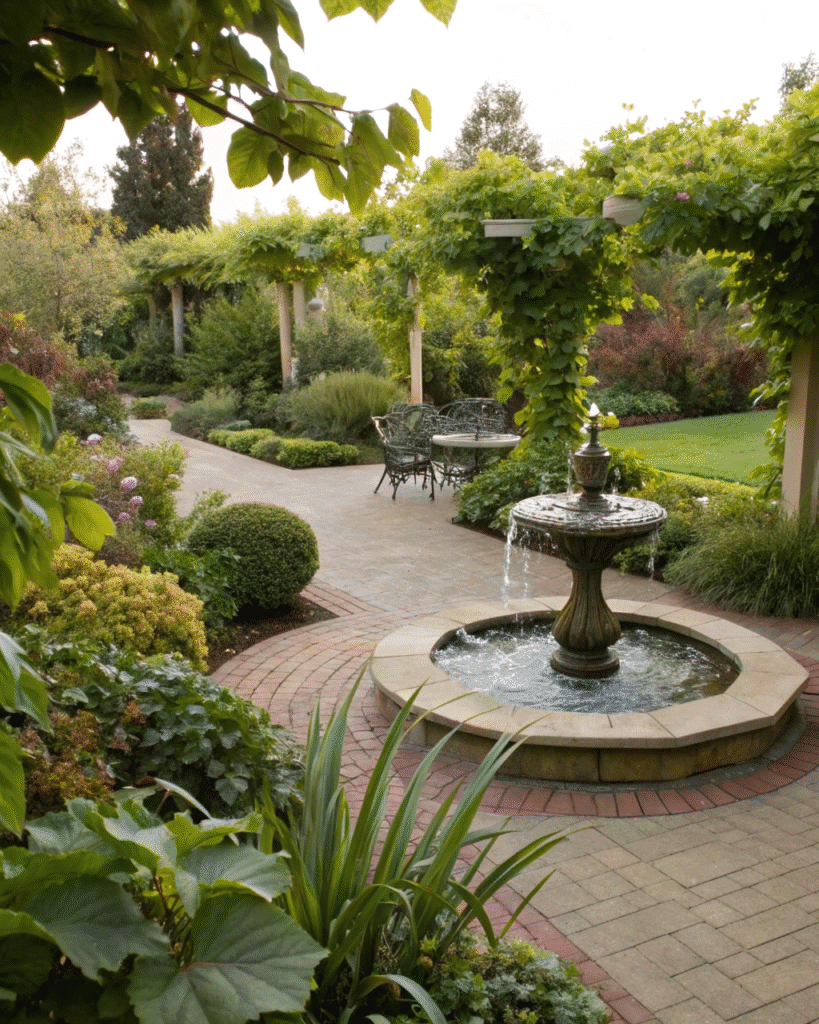
Pair a small fountain with surrounding greenery for a serene vibe.
Pro Tip: Add aquatic plants like lilies or ferns to complement the look naturally.
11. Hanging Basket Garden
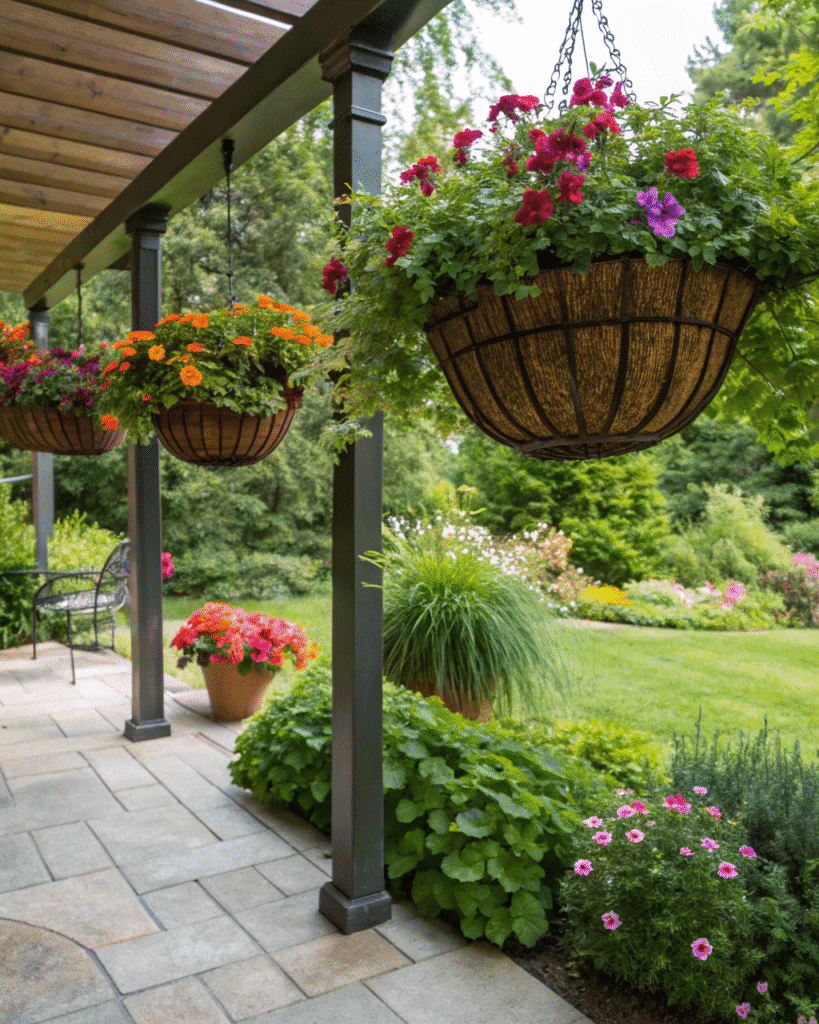
Use woven or metal baskets filled with colorful blooms for height and charm.
Pro Tip: Mix flower varieties that bloom in different seasons for year-round color.
12. Cactus and Succulent Zone
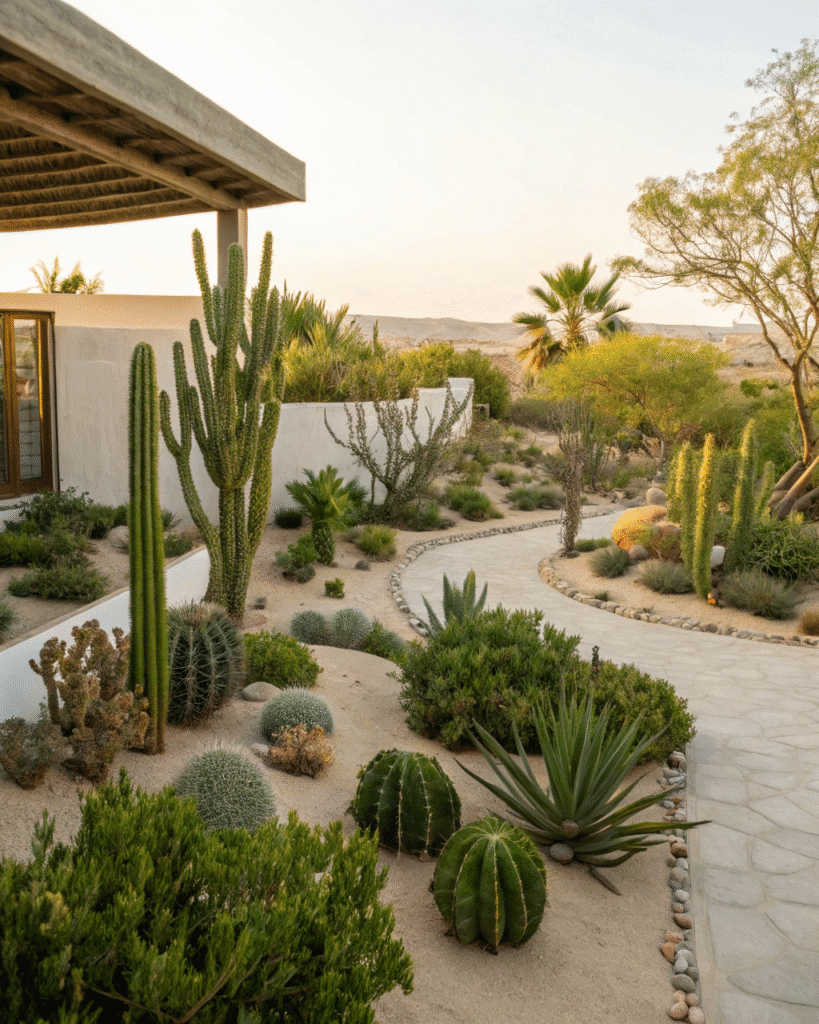
Create a desert-inspired garden with succulents and cacti.
Pro Tip: Use gravel or sand as ground cover for a clean, minimal appearance.
13. Garden Path with Pots
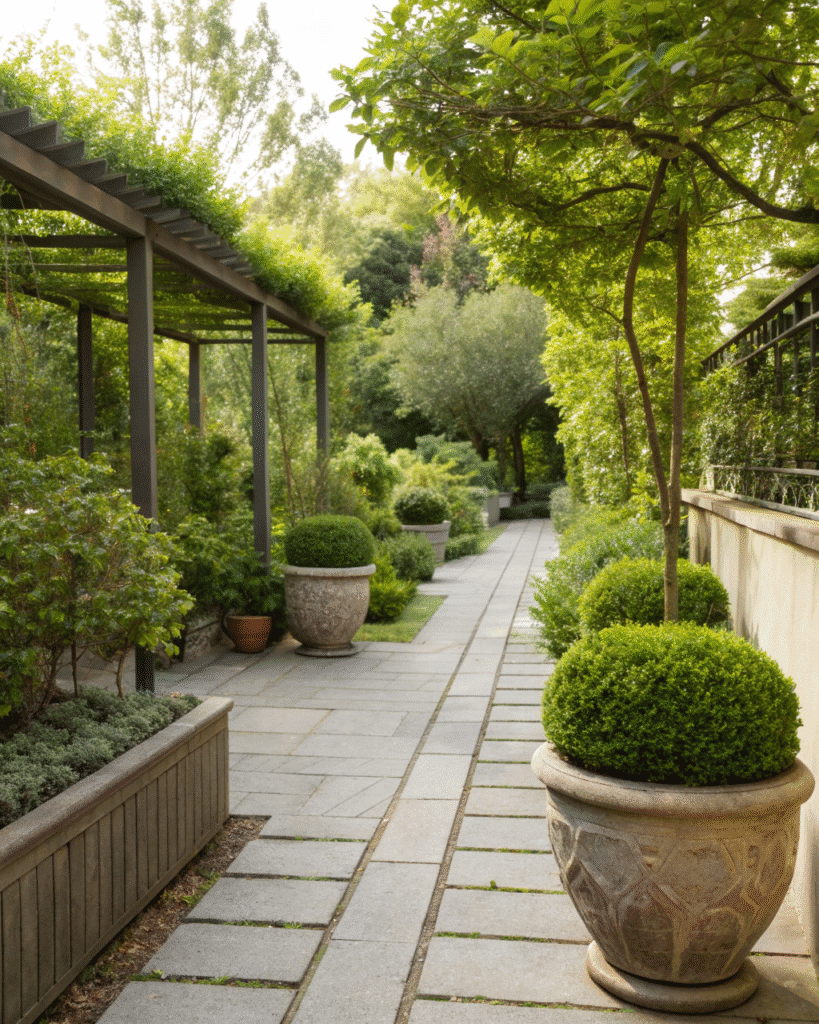
Line your patio path with planters or small shrubs for structure and definition.
Pro Tip: Alternate plant colors or heights for a dynamic, layered effect.
Keep Exploring

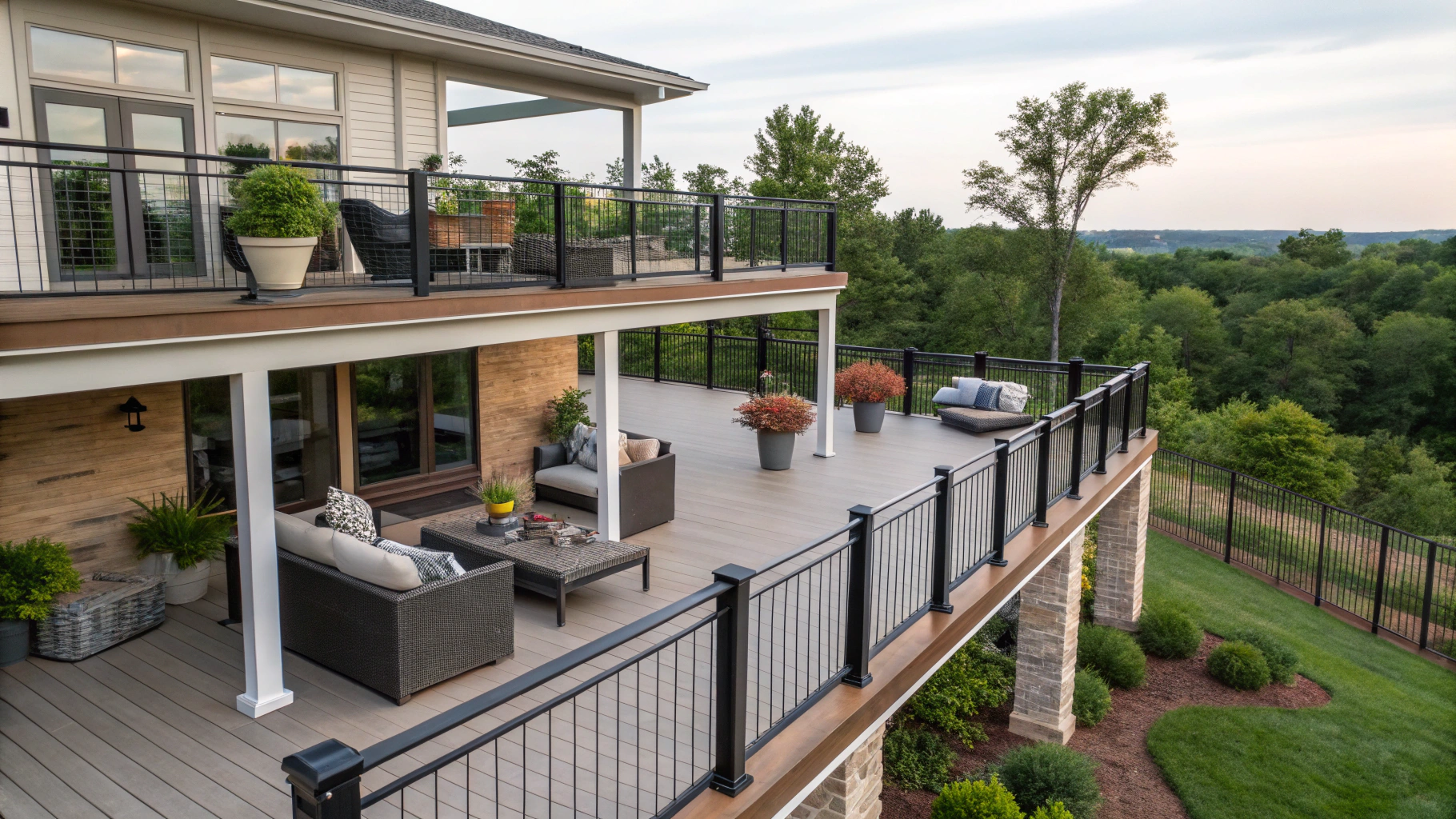
14. Tropical Patio Garden
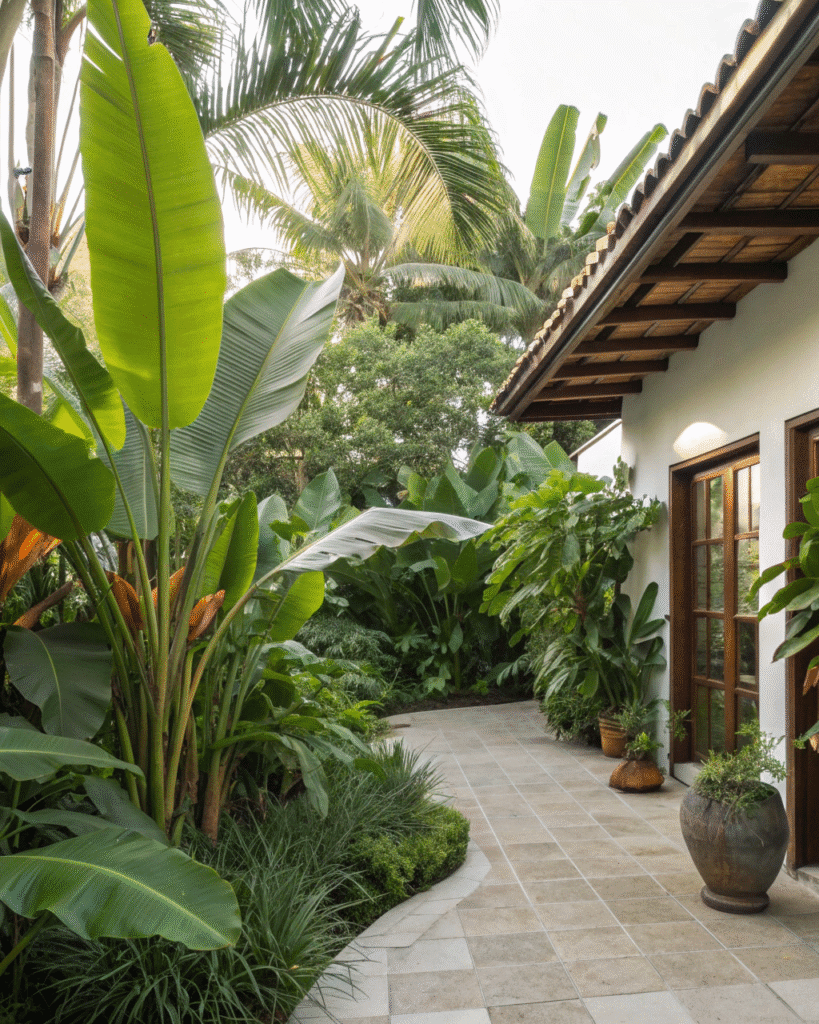
Large-leaf plants like banana palms or bird of paradise create a lush retreat.
Pro Tip: Combine them with bamboo furniture for a resort-like atmosphere.
15. Edible Patio Garden
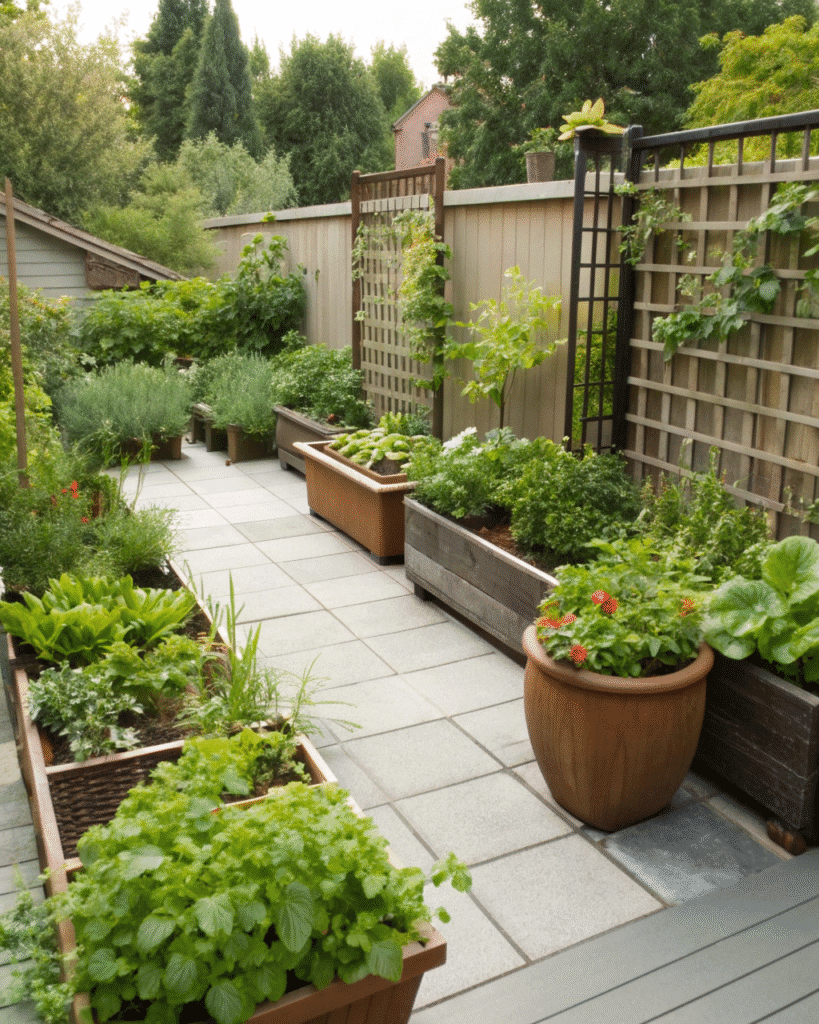
Grow vegetables in containers for a fun, practical green touch.
Pro Tip: Choose compact varieties like cherry tomatoes or lettuce for small patios.
16. Shade Garden Area
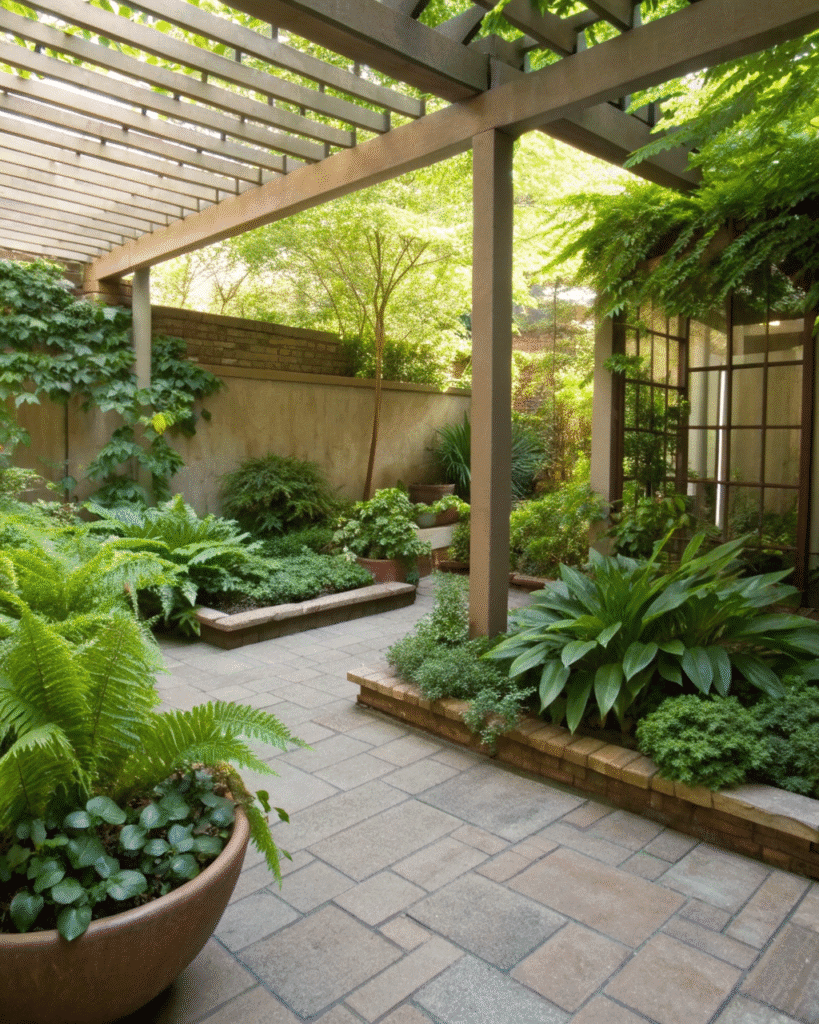
Add shade-loving plants in corners that don’t get direct sunlight.
Pro Tip: Ferns, peace lilies, and calatheas thrive beautifully in lower light.
Final Thoughts
A patio garden is not about having perfect plants in perfect conditions. It is about bringing living things into your outdoor space and experiencing the difference that presence makes to how the patio feels and how much time you want to spend in it.
Start with one or two plants that suit your light conditions and your lifestyle honestly. Learn what they need, get good at keeping them happy, and build from there. Every season your patio garden will become a little more lush, a little more personal, and a little more like the green outdoor sanctuary that makes patio living genuinely wonderful.
Frequently Asked Questions
What are the easiest plants to grow in patio containers?
Petunias, geraniums, lavender, rosemary, mint, basil, succulents, and ornamental grasses are all excellent choices for patio container growing. They are widely available, tolerant of the variable watering that container life involves, perform reliably across a range of light conditions, and look beautiful throughout the growing season with minimal intervention.
How often should I water patio container plants?
Container plants in summer typically need watering every one to two days in hot weather and every three to four days in mild conditions. The best way to judge when to water is to push your finger into the top inch of compost. If it feels dry, water thoroughly until water runs from the drainage holes. If it still feels moist, wait another day. Consistent slightly moist soil is the goal for most plants. Constantly wet or constantly bone-dry soil stresses most container plants quickly.
Can I grow a vegetable garden on a patio?
Absolutely. Most vegetables grow successfully in containers and raised beds on a sunny patio. Tomatoes, peppers, cucumbers, salad leaves, herbs, beans, and strawberries are all particularly well-suited to patio container growing. The main requirements are a minimum of six hours of direct sun per day, containers large enough for the root systems of the plants you choose, consistent watering, and regular feeding with a balanced liquid fertilizer through the growing season.
How do I stop patio plants from dying in summer heat?
Group containers together so they shade each other’s pots and root zones, which significantly reduces soil temperature and moisture loss. Move heat-sensitive plants to a shadier position during the hottest part of summer afternoons. Water in the early morning rather than at midday so the water reaches the roots before heat evaporation removes it from the soil surface. Mulch the top of container soil with a layer of gravel or bark to reduce surface evaporation between waterings.
What patio plants come back every year?
Perennial plants that reliably return each year in containers include lavender, rosemary, ornamental grasses, hostas, heucheras, agapanthus, agave, and many ferns. Hardy evergreen plants like boxwood, bay trees, and dwarf conifers also remain year-round. In temperate climates, tender perennials like geraniums and fuchsias can be overwintered indoors and returned to the patio each spring. Annual plants complete their life cycle in one season and need replacing each year but they typically offer the longest and most prolific flowering display of any plant category.