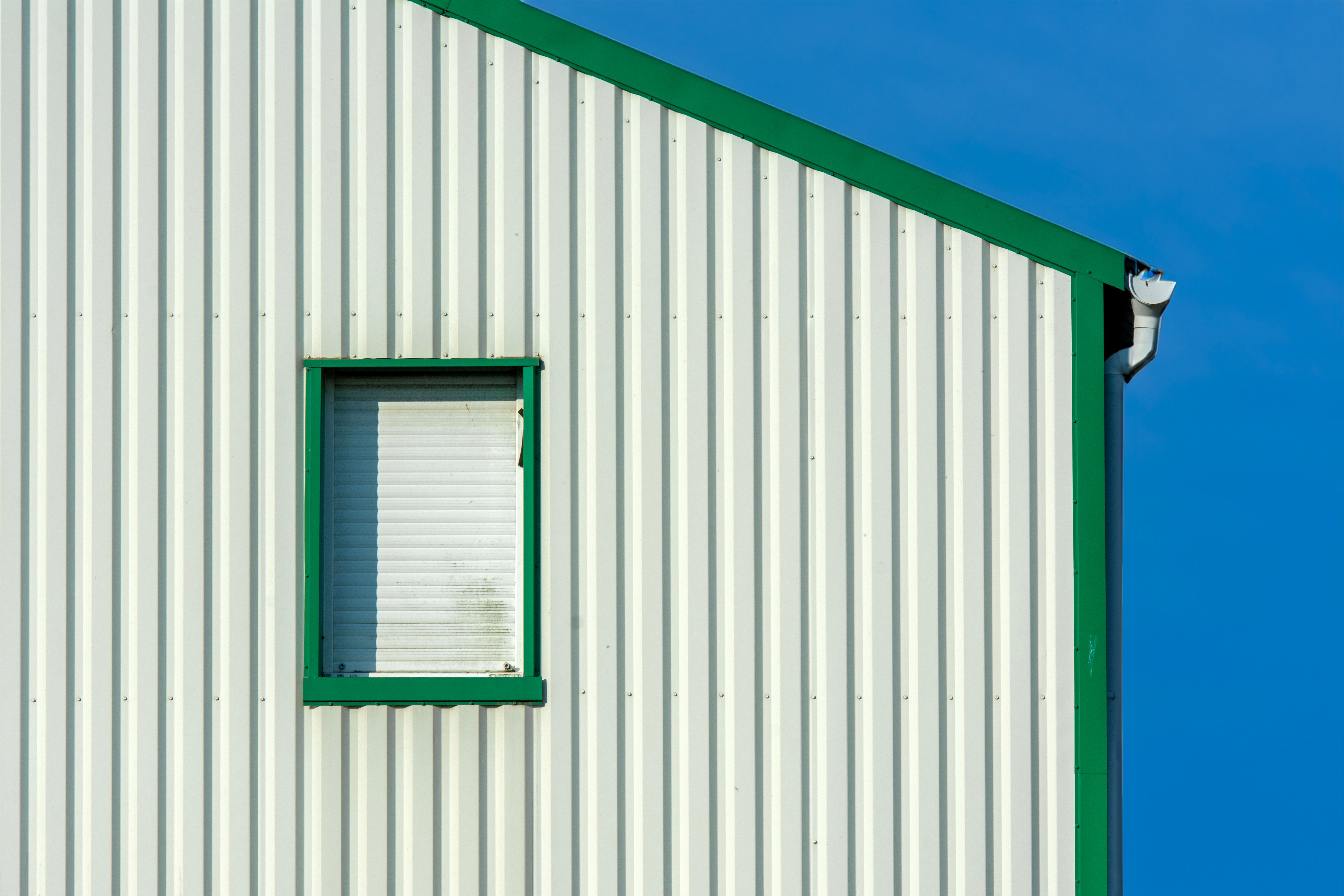
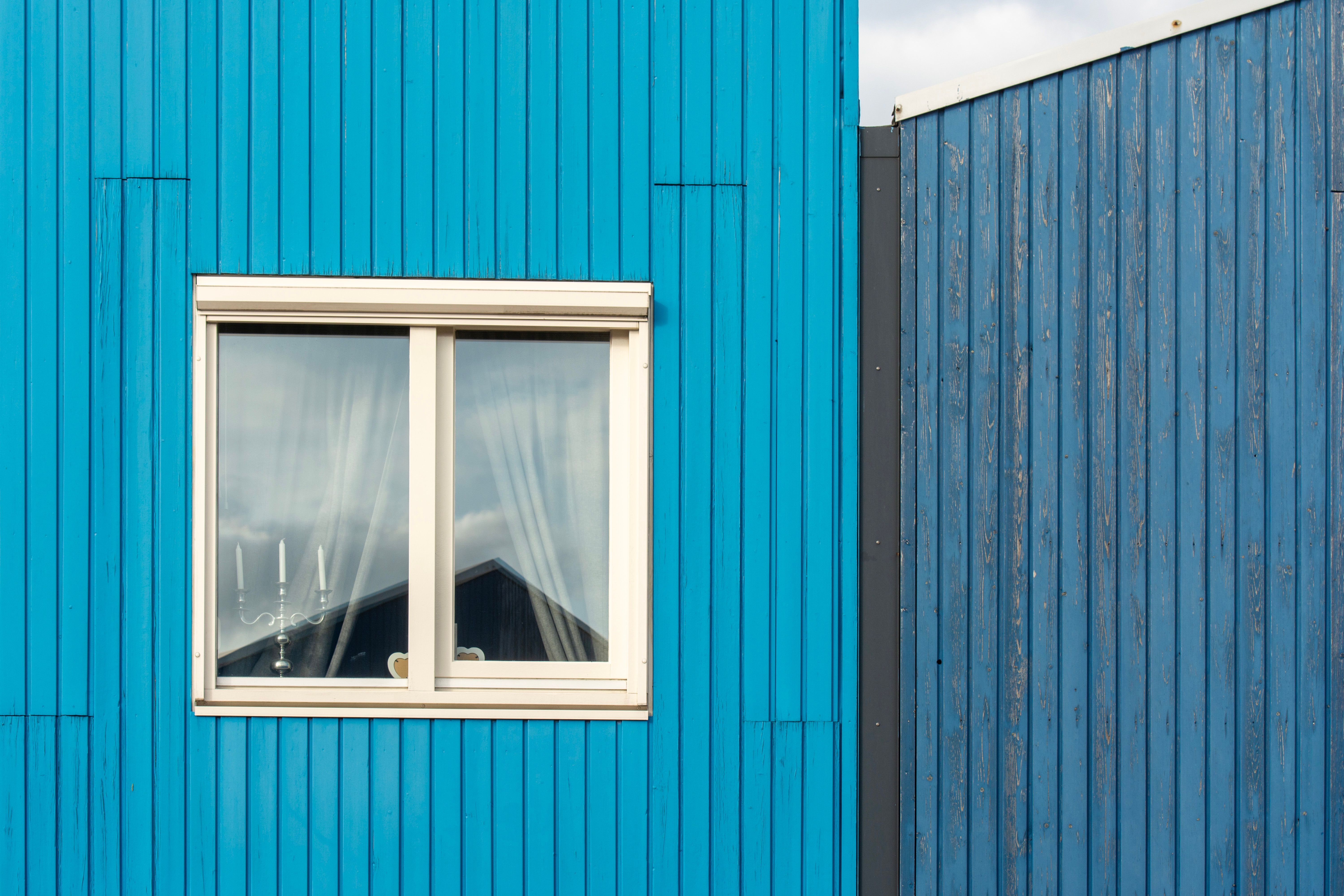
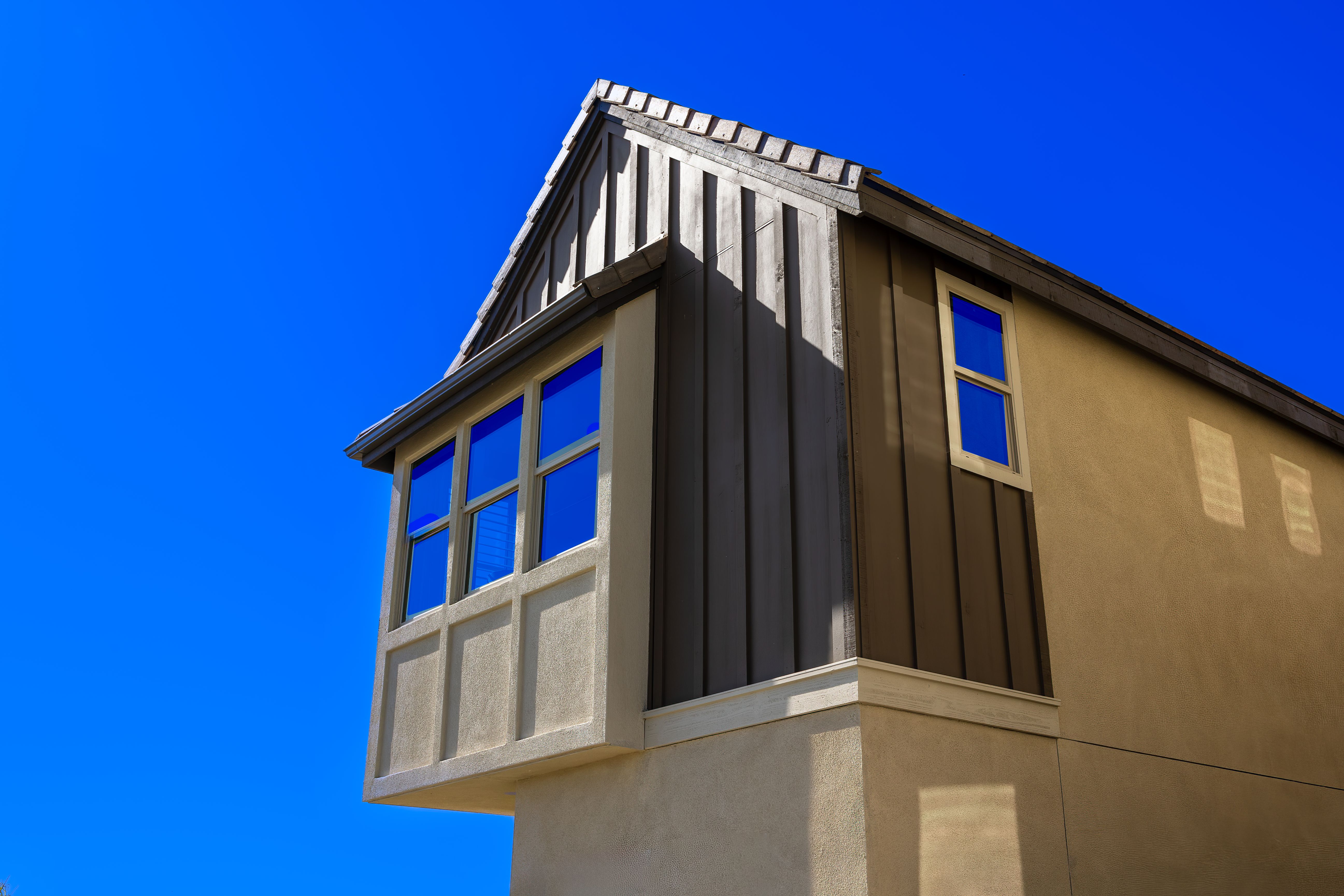

Metal siding might not be the first material that comes to mind when you picture a beautiful farmhouse exterior, but it’s becoming an interesting option for homeowners who want something different from traditional wood or vinyl.
In this article:
- What Is Metal Board and Batten Siding?
- What Materials Are Used for Metal Board and Batten Siding?
- What Does Metal Board and Batten Siding Look Like?
- Benefits of Metal Board and Batten Siding
- Disadvantages of Metal Board and Batten Siding
- How Much Does Metal Board and Batten Siding Cost?
- Metal Board and Batten Siding vs. Wood: Which Is Better?
- Metal Board and Batten Siding vs. Vinyl: What’s the Difference?
- What Colors Work Best for Metal Board and Batten Siding?
- How Is Metal Board and Batten Siding Installed?
- How to Plan Metal Board and Batten Panel Spacing
- How Do You Maintain Metal Board and Batten Siding?
- Is Metal Board and Batten Siding Worth It?
- Frequently Asked Questions About Metal Board and Batten Siding
Metal board and batten siding combines the familiar vertical pattern of classic board and batten with the strength and clean appearance of metal panels. It can give a home a modern farmhouse look, add character to an otherwise simple exterior, or create a more contemporary architectural finish.
One of the biggest attractions is that you can achieve the board and batten appearance without using individual wooden boards and battens. Many metal siding systems have raised ribs or profiles built directly into the panels, while others use separate metal battens to create the familiar design.
But is metal board and batten siding actually a good choice for a residential property?
Before choosing it, you’ll want to understand the differences between steel and aluminum, how much maintenance they require, what installation involves, and whether the overall cost makes sense for your project.
Let’s take a closer look.
What Is Metal Board and Batten Siding?
Metal board and batten siding is an exterior cladding system made from metal panels designed to recreate the traditional board and batten appearance.
Instead of installing wide wooden boards and covering their joints with narrow wooden strips, manufacturers create metal panels with raised vertical ribs or batten-style profiles.
Some systems have the raised battens formed directly into the metal sheet. Others use separate metal batten caps attached over panel joints.
The result is a vertical exterior surface with the same distinctive lines and shadows associated with traditional board and batten siding.
For example, MBCI’s metal board and batten wall panels feature a concealed-fastener design and are intended for vertical applications. The manufacturer also offers a reverse board and batten profile with different installation possibilities.
Metal board and batten siding is commonly used on:
- Modern farmhouse homes
- Barndominiums
- Contemporary residential properties
- Country-style homes
- Exterior accent walls
- Front-facing gables
- Garages and workshops
- Commercial buildings
You can use it across an entire exterior or combine it with wood, stone, brick, or other siding materials.
What Materials Are Used for Metal Board and Batten Siding?
When comparing metal board and batten siding, you’ll generally come across two main material choices: steel and aluminum.
Both can create an attractive vertical exterior, but they have different characteristics.
1. Steel Board and Batten Siding
Steel is one of the most common materials used for metal board and batten siding.
It offers a strong, rigid panel system and is available in different gauges, coatings, colors, and finishes.
Many manufacturers offer prefinished steel panels designed for residential and commercial wall applications.
Why homeowners choose steel:
- Strong and rigid material
- Available in different panel profiles
- Offers a clean, contemporary appearance
- Can be manufactured with concealed fasteners
- Available in a wide range of factory finishes
- Resistant to rot and insect damage
Steel siding is particularly attractive for homeowners who want a modern farmhouse or barndominium appearance.
For example, Metal Sales Manufacturing Corporation offers board and batten panels in painted and coated Galvalume and galvanized steel options. Its product documentation provides details about panel coverage, finishes, and fastening requirements.
Things to consider:
Steel can corrode if its protective coating is damaged or if moisture becomes trapped in unsuitable conditions.
The coating, substrate, installation details, and maintenance all influence how well it performs over time.
Scratches and cut edges should be handled according to the manufacturer’s touch-up and protection instructions.
2. Aluminum Board and Batten Siding
Aluminum is another option for metal board and batten siding.
It is lighter than steel and naturally forms a protective oxide layer when exposed to air. However, it can still be affected by corrosion in certain environments, particularly when exposed to incompatible metals or harsh coastal conditions.
Why homeowners choose aluminum:
- Lightweight compared with steel
- Does not rust like ordinary steel
- Available in different colors and finishes
- Can be manufactured into vertical siding profiles
- Resistant to rot and insect damage
Aluminum can be particularly useful when weight is an important consideration.
For instance, Construction Metal Products’ board and batten panels are available in steel and aluminum options, with concealed fastening and different panel widths.
Things to consider:
Aluminum can dent more easily than steel under certain impacts.
It is also important to consider the coating, thickness, fastening system, and surrounding materials before choosing an aluminum panel.
Neither steel nor aluminum is automatically the better choice. The right option depends on the property, environment, budget, and intended appearance.
What Does Metal Board and Batten Siding Look Like?
Metal board and batten siding has a distinctive appearance because of its raised vertical ribs.
These create shadow lines that give the exterior depth and make the wall look more detailed.
Modern metal panels are available in several finishes, including:
- Smooth painted finishes
- Matte finishes
- Woodgrain-inspired finishes
- Textured coatings
- Dark architectural colors
- Traditional farmhouse shades
You can also choose between different panel widths and batten heights.
For example, Drexel Metals’ board and batten wall system offers steel and aluminum options with defined batten dimensions and concealed fastening.
This is useful when you want to compare the proportions of different profiles before deciding on a design.
Benefits of Metal Board and Batten Siding
There are several reasons homeowners consider metal siding for their exterior projects.
1. It Offers a Distinctive Modern Appearance
Metal board and batten siding gives a home a clean vertical pattern that works particularly well with modern farmhouse and contemporary architecture.
The raised ribs add dimension without requiring individual decorative wooden strips.
You can also combine it with natural wood, stone, or brick to create a more customized exterior.
2. It Doesn’t Rot Like Wood
One of the practical advantages of metal siding is that it doesn’t rot or decay like untreated natural wood.
It is also not a food source for termites and other wood-damaging insects.
However, the materials behind the siding can still experience moisture damage if the wall assembly isn’t installed correctly.
Proper flashing, drainage, and weather-resistant barriers remain essential.
3. It Requires Relatively Little Routine Maintenance
Metal siding generally doesn’t require the regular staining or painting associated with natural wood.
Many products come with factory-applied finishes designed for exterior exposure.
Routine maintenance usually involves checking for damage, cleaning accumulated dirt, and inspecting the condition of coatings, fasteners, and flashing.
The exact requirements depend on the metal, coating, and manufacturer.
4. It Is Available in Steel and Aluminum
Having different metal options gives homeowners more flexibility.
Steel offers a strong and rigid panel system, while aluminum provides a lighter alternative.
You can compare both materials based on the property’s location, design, and performance requirements.
5. It Can Be Used Across Different Architectural Styles
Metal board and batten siding isn’t limited to barns or agricultural buildings.
It can look equally attractive on modern farmhouses, minimalist homes, contemporary properties, and certain traditional designs.
The finish and surrounding materials make a big difference.
For example, dark metal siding with natural wood accents creates a very different appearance from light gray metal panels with white trim.
6. Many Systems Offer Concealed Fasteners
Some metal board and batten products use concealed fastening systems.
This means the screws are hidden beneath adjoining panels or covered by the panel profile.
The result is a cleaner exterior without rows of visible screw heads.
However, not every metal siding system uses concealed fasteners, so check the specific product details before purchasing.
Disadvantages of Metal Board and Batten Siding
Metal siding has several advantages, but it’s important to understand its limitations too.
1. The Initial Cost Can Be Higher
Metal board and batten siding may cost more upfront than some basic vinyl siding options.
The final price depends on:
- Steel or aluminum selection
- Metal thickness or gauge
- Coating and finish
- Panel width and profile
- Custom colors
- Trim and accessories
- Installation labor
- Wall preparation
- Project size and complexity
A concealed-fastener architectural metal system may have a very different price from a simpler exposed-fastener panel.
Always compare complete installed quotes rather than looking at the panel price alone.
You May Also Love
2. Metal Can Dent or Become Scratched
Metal siding is durable, but it isn’t completely resistant to damage.
Aluminum can be particularly vulnerable to dents from impacts. Steel can also be dented or scratched depending on its thickness and the force involved.
Damage to a protective coating may also need attention to help prevent corrosion.
If the exterior is likely to experience frequent impacts, discuss the material thickness and product specifications with your contractor.
3. Improper Installation Can Cause Problems
Metal panels need to be installed according to the manufacturer’s specifications.
Fasteners, panel alignment, expansion allowances, flashing, and drainage details all matter.
For example, panels that are fastened too tightly may not be able to move as intended when temperatures change.
This can result in distortion or other installation problems.
4. Scratches and Coating Damage Need Attention
Metal siding often relies on protective coatings to maintain its appearance and protect the underlying material.
Deep scratches, damaged cut edges, or unsuitable contact with other metals can create problems.
Follow the manufacturer’s recommendations for cutting, handling, touch-up paint, and cleaning.
5. Not Every Metal Profile Looks Like Traditional Board and Batten
Some products have narrow raised ribs, while others feature wider flat sections with more pronounced battens.
If you want a traditional board and batten appearance, pay attention to the actual panel dimensions and profile rather than relying only on product photographs.
Request samples or profile drawings before ordering.
How Much Does Metal Board and Batten Siding Cost?
The cost of metal board and batten siding varies considerably.
There isn’t one price that applies to every steel or aluminum installation.
Some of the biggest factors include:
Material selection: Steel and aluminum have different pricing structures depending on thickness and market conditions.
Panel gauge: The specified metal thickness affects material requirements and product cost.
Coating: Factory finishes, specialty colors, and premium coatings can influence the price.
Panel dimensions: Wider panels, custom lengths, and specialized profiles may affect material costs.
Labor: Metal siding installation requires familiarity with the panel system and its accessories.
Wall preparation: Existing siding removal, repairs, sheathing, and additional flashing can increase project costs.
Trim and accessories: Corners, base trim, window trim, closures, and other components contribute to the total.
For an accurate estimate, ask your contractor to include materials, labor, preparation, trim, flashing, removal, and disposal.
It is also worth comparing at least two or three quotes for the same product specification.
This helps you understand whether a higher-priced estimate includes better materials or simply a different labor charge.
Metal Board and Batten Siding vs. Wood: Which Is Better?
Both materials can create a beautiful exterior, but they have different maintenance and appearance characteristics.
| Feature | Metal siding | Natural wood siding |
|---|---|---|
| Appearance | Clean, architectural finish | Natural wood grain |
| Rot resistance | Does not rot like wood | Can deteriorate with moisture |
| Insect resistance | Not a food source for termites | May be vulnerable to insects |
| Maintenance | Generally lower | Requires regular finishing |
| Painting | Often factory-finished | Often requires painting or staining |
| Impact damage | Can dent or scratch | Can split, crack, or dent |
| Design flexibility | Different metal profiles and coatings | Flexible board sizes and finishes |
| Installation | Requires product-specific metal detailing | Requires careful board and batten installation |
If you want an authentic wood appearance and enjoy natural materials, wood may be more appealing.
If you prefer a more architectural finish and want to reduce routine painting and staining, metal is worth considering.
The decision should also account for the property’s climate, budget, and the specific product warranty.
Metal Board and Batten Siding vs. Vinyl: What’s the Difference?
Vinyl and metal are both alternatives to traditional wood, but they aren’t interchangeable.
Vinyl is generally lighter and may offer a lower initial material cost. Metal can provide a more substantial architectural appearance and is available in different steel and aluminum panel systems.
| Feature | Metal | Vinyl |
|---|---|---|
| Material | Steel or aluminum | PVC |
| Appearance | Architectural metal profile | Manufactured vertical siding profile |
| Impact performance | Can dent or scratch | Can crack or become damaged |
| Corrosion | Depends on metal and coating | Does not rust |
| Routine painting | Usually unnecessary for factory finishes | Usually unnecessary |
| Temperature movement | Must be accommodated | Must be accommodated |
| Installation | Product-specific metal fastening and detailing | Product-specific vinyl fastening and detailing |
For homeowners who prioritize a distinctive metal finish, metal may be the better fit.
If a lower initial cost and a familiar residential siding option are more important, vinyl may be worth comparing.
What Colors Work Best for Metal Board and Batten Siding?
One of the appealing things about metal siding is the range of finishes available.
You can choose a shade that complements your home’s architecture or use contrasting materials to make the exterior stand out.
Black Metal Board and Batten Siding
Black creates a bold, contemporary appearance.
It works particularly well with natural wood doors, light stone, and large windows.
White Metal Board and Batten Siding
White gives metal siding a softer, more traditional farmhouse appearance.
It can be paired with black trim, dark roofing, and natural wood accents.
Charcoal Metal Board and Batten Siding
Charcoal is a versatile alternative to black.
It offers a darker exterior without creating quite as much contrast, particularly when paired with gray stone or warm wood.
Don't miss: 15+ Scandinavian-Inspired Home Bar Corners for Calm Entertaining →
Gray Metal Board and Batten Siding
Gray is a practical neutral that works with many architectural styles.
Light gray creates a subtle appearance, while darker gray can make the raised vertical sections stand out.
Bronze and Brown Metal Board and Batten Siding
Earthy shades can help metal siding feel warmer and more natural.
They work particularly well on rustic homes, country properties, and buildings with timber or stone accents.
Woodgrain Metal Board and Batten Siding
Some manufacturers offer woodgrain-inspired finishes that combine a timber-like appearance with a metal panel system.
For example, Metal Exteriors’ metal board and batten range showcases different colors and wood-inspired finishes.
These options are worth exploring if you like the appearance of natural wood but prefer a manufactured metal siding product.
How Is Metal Board and Batten Siding Installed?
Metal board and batten siding needs careful installation because the panels, fastening system, and wall assembly all work together.
The exact process depends on the manufacturer and the selected panel profile.
A typical installation involves several stages.
1. Prepare the Exterior Wall
The wall needs to be properly prepared before the metal panels are installed.
This may include inspecting the sheathing, making necessary repairs, installing a suitable weather-resistant barrier, and preparing the required support system.
2. Install Flashing and Trim
Base trim, corner trim, window flashing, and other accessories need to be installed according to the manufacturer’s details.
These components help manage water around vulnerable areas.
3. Establish the Panel Layout
The contractor measures the wall and determines where the vertical panels will begin and end.
This is important for keeping the siding aligned and avoiding awkward narrow sections around windows, doors, and corners.
4. Install the Metal Panels
Panels are attached using the fastening method specified for the selected product.
Some systems use exposed screws, while others use concealed mechanical fasteners or clips.
The fastening method also needs to accommodate the movement allowed by the system.
5. Finish Corners and Openings
The installer completes the corners, window and door openings, transitions, and other trim details.
These areas need particular attention because they are common locations for water-management problems.
For a practical reference, Metal Sales’ board and batten installation guide provides product-specific information about panel profiles, fastening, and installation details.
You can also review PAC-CLAD’s board and batten technical resources for drawings and installation information.
Because metal systems differ, don’t assume one manufacturer’s fastening or clearance instructions apply to another product.
Keep Exploring

How to Plan Metal Board and Batten Panel Spacing
Planning the vertical panel layout before installation can make a noticeable difference to the finished appearance.
Unlike traditional wood siding, manufactured metal panels often come in predetermined coverage widths.
For example, one product may have a 12-inch coverage width, while another offers 16-inch or wider options.
This means you should consider the actual panel dimensions before finalizing the layout.
Start by measuring the total wall width, then identify windows, doors, corners, and other features that may affect panel placement.
If you’re still comparing different proportions, try our online board and batten measurement planner to understand how different spacing arrangements work across a wall.
It can help you visualize a balanced layout before ordering materials.
One important point: the calculator is useful for preliminary design planning. Manufactured metal panels have fixed profile and coverage dimensions, so the final material takeoff must follow the selected manufacturer’s specifications.
How Do You Maintain Metal Board and Batten Siding?
Metal siding generally requires less routine maintenance than natural wood, but periodic inspections are still important.
Here are some practical ways to look after it.
Clean the Surface Periodically
Dirt, dust, pollen, and other debris can accumulate on the exterior.
Clean the surface using methods approved by the manufacturer.
Avoid harsh chemicals or abrasive tools that could damage the finish.
Inspect for Scratches and Dents
Look for impact damage, deep scratches, and areas where the protective coating may have been compromised.
Address damaged finishes according to the manufacturer’s touch-up recommendations.
Check Fasteners and Trim
Inspect exposed fasteners, corners, trim, and panel transitions.
Loose or damaged components should be evaluated and repaired using the correct replacement materials.
Keep Gutters and Drainage Systems Clear
Water overflowing from gutters can run down exterior walls and increase moisture exposure around siding details.
Keep gutters and downspouts in good condition.
Check for Corrosion
Steel siding should be inspected for signs of corrosion, particularly around damaged coatings, cut edges, and areas where moisture may collect.
For aluminum, pay attention to incompatible metal contact and coating damage.
If you’re unsure how to care for your specific system, review the manufacturer’s metal panel maintenance recommendations.
Is Metal Board and Batten Siding Worth It?
Metal board and batten siding can be an excellent option if you want the familiar vertical appearance of traditional board and batten with a more contemporary metal finish.
It offers several material choices, a wide range of design possibilities, and generally lower routine finishing requirements than natural wood.
However, the initial cost, possibility of impact damage, coating requirements, and installation details are important considerations.
Steel may appeal to homeowners looking for a rigid, substantial panel system, while aluminum offers a lighter alternative.
Take the time to compare product specifications, panel profiles, warranties, and installation requirements before choosing.
A well-selected and properly installed metal siding system can give your home a distinctive exterior that combines architectural character with practical performance.
Frequently Asked Questions About Metal Board and Batten Siding
Is metal board and batten siding a good choice?
Yes. It can be a good option for homeowners who want a distinctive vertical exterior with a metal finish. Its suitability depends on the selected material, coating, climate, budget, and installation quality.
Is metal board and batten siding expensive?
It can cost more upfront than some basic vinyl siding options. The final price depends on steel or aluminum selection, panel thickness, coatings, custom finishes, labor, and project complexity.
Is steel or aluminum better for board and batten siding?
Steel generally offers a more rigid panel, while aluminum is lighter and doesn’t rust like ordinary steel. The best choice depends on the environment, product specifications, impact considerations, and budget.
Does metal board and batten siding rust?
Steel can corrode if its protective coating is damaged or unsuitable conditions allow corrosion to develop. Aluminum doesn’t rust like steel, but it can still experience corrosion in certain environments.
Can metal board and batten siding be painted?
Some metal siding products can be repainted using suitable coatings and preparation methods. However, many products are factory-finished. Always follow the manufacturer’s recommendations before painting.
Does metal siding make a house hotter?
Metal panels can become hot when exposed to direct sunlight, but indoor comfort depends on the entire wall assembly, insulation, ventilation, air sealing, and local climate. The siding material alone doesn’t determine indoor temperature.
Does metal board and batten siding make noise in the rain?
The amount of sound depends on the panel system and the wall assembly behind it. Insulation, sheathing, and other construction details can influence how much exterior noise is heard indoors.
Can metal board and batten siding be installed horizontally?
Some products are designed for vertical installation only, while others allow both vertical and horizontal applications. Always check the manufacturer’s approved orientation for the exact panel.
Is metal board and batten siding fire-resistant?
Steel and aluminum are noncombustible materials, but the fire performance of the complete exterior wall assembly depends on other components, including insulation, sheathing, and installation details. Check the applicable product and assembly testing information.
How long does metal board and batten siding last?
Its service life depends on the metal substrate, protective coating, installation, environment, and maintenance. Review the manufacturer’s warranty and product performance documentation for the specific system.
Can metal board and batten siding look like wood?
Yes. Some manufacturers offer woodgrain-inspired finishes that recreate the appearance of natural timber while retaining a metal panel construction.
Can you combine metal board and batten siding with other materials?
Absolutely. Metal board and batten works well with natural wood, stone, brick, and horizontal siding. Combining materials can create contrast and help highlight different architectural sections of your home.