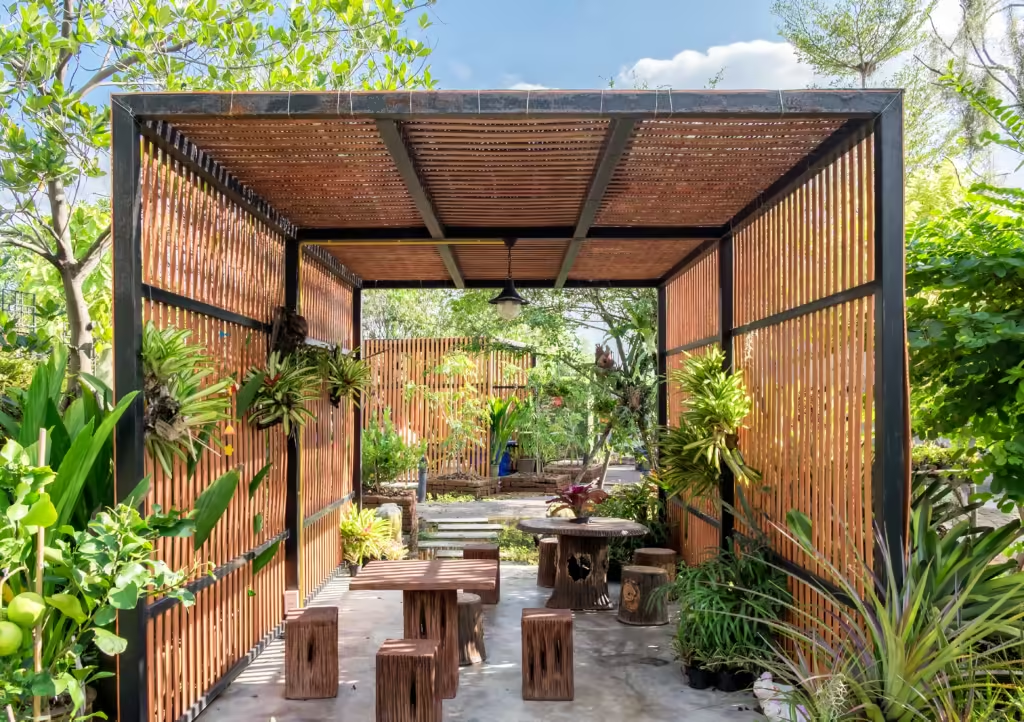
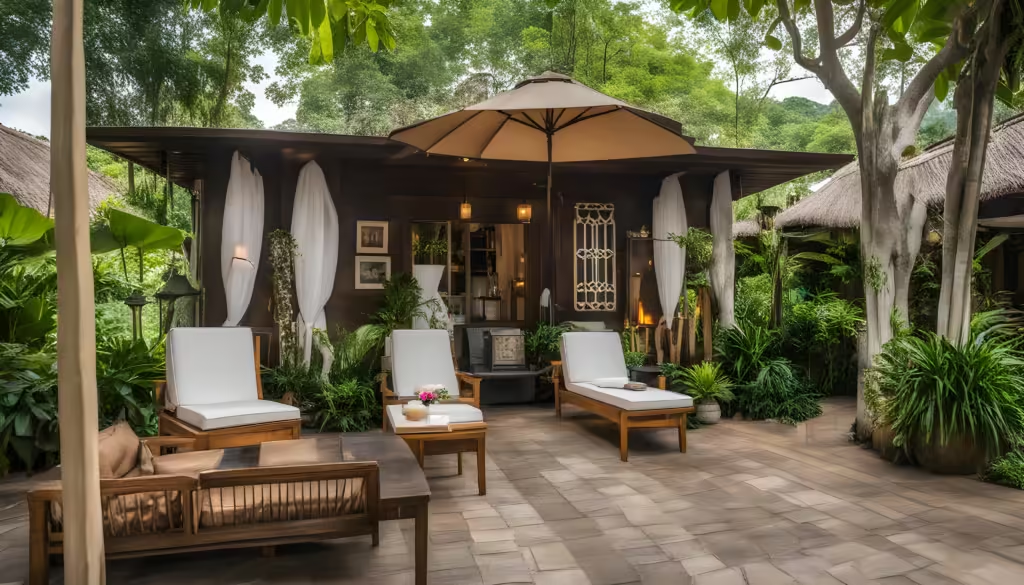
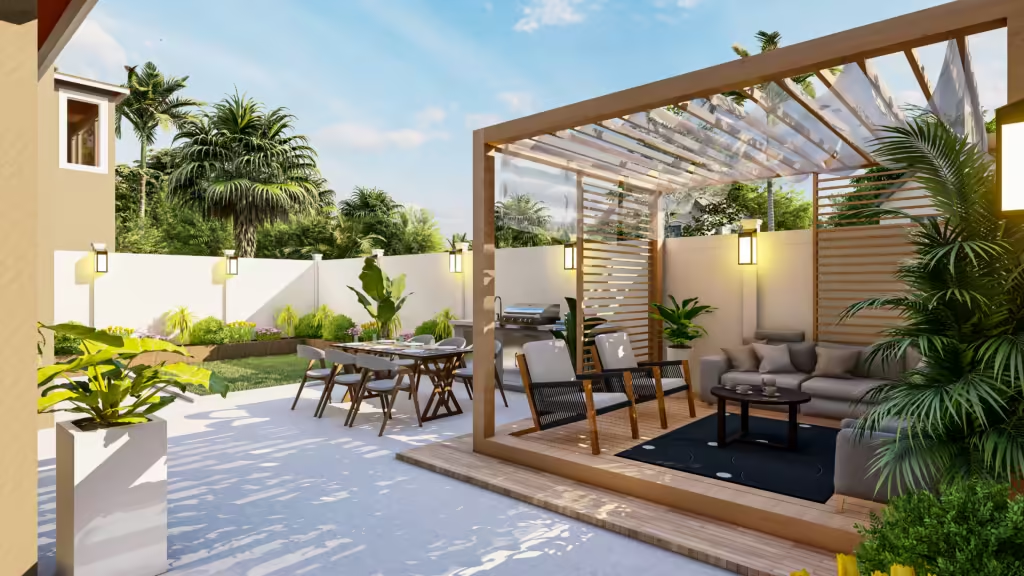
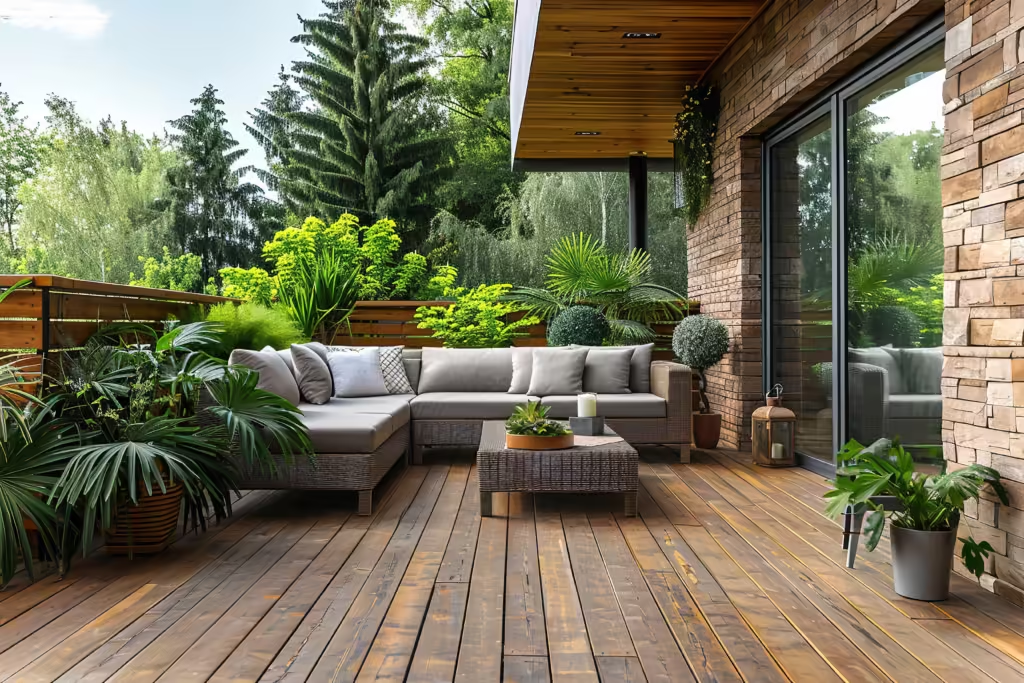
14+ Outdoor Patio Kitchen Ideas to Inspire You
There is a particular kind of evening that only an outdoor kitchen makes possible. The kind where the cook is part of the party rather than disappearing inside while everyone else sits on the patio. Where the smell of whatever is on the grill drifts through the gathering and sharpens everyone’s appetite. Where the whole experience of preparing and sharing food happens in the open air, in good company, with a drink in hand and nowhere else to be.
An outdoor kitchen is the upgrade that transforms a patio from a place where you sit outside to a place where you genuinely live outside. It changes how you use your home during the warm months in a way that very few other improvements can match, and it delivers that return every single time you cook a meal without going inside.
Why an Outdoor Kitchen Is Worth the Investment
The case for an outdoor patio kitchen is stronger than most homeowners initially realize, and it goes beyond the obvious pleasure of cooking outside on a summer evening.
It genuinely extends your living space. An outdoor kitchen effectively adds a functional room to your home during the months you use it most. Rather than retreating inside to cook, clean, and prepare while guests are gathering outside, an outdoor kitchen keeps everything and everyone in the same space. The host is present. The conversation continues uninterrupted. The patio becomes the center of the home rather than an overflow area for it.
Love Chic Living Club?
Add us as one of your preferred Google sources and discover more home decor, DIY, outdoor, and lifestyle inspiration from us.
It adds measurable value to your property. Outdoor kitchens consistently rank among the highest return outdoor improvements in real estate surveys across the United States. A well-designed, well-built outdoor kitchen can return between 100 and 200 percent of its installation cost in added home value according to multiple landscape and real estate industry studies. Even a modest outdoor kitchen setup photographs extremely well and makes a strong impression during a home showing.
It reduces your energy costs during summer. Cooking indoors in summer adds heat to your home that your air conditioning then has to remove. Moving your cooking outside during the warm months reduces the thermal load on your indoor spaces and can meaningfully reduce summer cooling costs, especially in climates where outdoor cooking weather extends across several months of the year.
It encourages healthier, more social eating habits. Outdoor cooking culture naturally lends itself to grilling, fresh ingredients, and sharing food around a table rather than eating in front of screens. The effort involved in setting up for outdoor cooking tends to make meals more intentional and more social, which is one of the most consistent things people report about why they love having an outdoor kitchen.
Planning Your Outdoor Kitchen: What to Think Through First
A well-planned outdoor kitchen serves you for decades. A poorly planned one creates frustration, additional expense, and underuse. Here is what to think through carefully before you commit to any design or spend any money.
Location and Layout
The location of your outdoor kitchen relative to your indoor kitchen and your patio dining area is the most important planning decision you will make. Ideally the outdoor kitchen should be close enough to the indoor kitchen that carrying supplies, running for forgotten ingredients, and accessing indoor utilities is convenient rather than a workout. It should also be positioned so the primary cook faces the dining area and the gathering rather than facing a wall or fence, which keeps the cook socially connected to the group during the whole cooking and hosting process.
Wind direction matters more than most people realize when planning an outdoor kitchen location. A grill or cooking station positioned so that prevailing winds carry smoke toward your seating area will make every cookout uncomfortable. Observe the typical wind direction on your patio before fixing the position of your cooking station and orient it so smoke moves away from your primary gathering and dining zones.
Gas vs Charcoal vs Wood
If your outdoor kitchen will include a grill, the fuel source decision shapes every other choice about the setup. Gas grills connected to a natural gas line or propane are the most convenient option: instant ignition, consistent heat, quick cleanup. They are the right choice for anyone who grills frequently and values convenience and control over the cooking experience. Charcoal grills require more time and involvement but deliver a flavor that gas cannot replicate and they tend to suit a more casual, involved cooking style. Wood-fired setups including pizza ovens and wood-burning grills deliver the most authentic and traditional cooking experience but also require the most skill, preparation, and fuel management of any option.
You May Also Love
Utilities and Infrastructure
The more ambitious your outdoor kitchen, the more infrastructure it requires. A simple grill station may need only a gas hookup or propane connection. A full outdoor kitchen with a sink, refrigerator, dishwasher, and built-in lighting will require a plumbing connection for the sink and drain, electrical circuits for the appliances and lighting, and possibly a dedicated gas line for the cooking equipment. All of these utilities should be planned and installed by licensed professionals before any countertop, cabinetry, or appliance is installed, as retrofitting utilities into a finished outdoor kitchen is significantly more expensive and disruptive than installing them as part of the initial build.
Don't miss: 12+ Layered Rug Ideas for Decks That Add Comfort →
Materials for Outdoor Kitchen Construction
Outdoor kitchen cabinetry, countertops, and structural elements need to handle rain, temperature extremes, UV exposure, cooking grease, and the general wear of an actively used cooking environment. The materials that perform best in outdoor kitchen construction are fundamentally different from indoor kitchen materials.
Concrete block and stucco or stone veneer is one of the most popular and durable outdoor kitchen base construction methods. Concrete block structures are completely weather-resistant, they do not rust or rot, they provide excellent support for heavy stone countertops, and they can be finished with stucco or natural stone veneer in any style. Marine-grade polymer and stainless steel cabinetry are also excellent options for outdoor kitchen bases, as both materials are completely waterproof and specifically designed for outdoor environments.
For countertops, granite and quartzite are the top choices for outdoor kitchens because both are extremely hard, heat-resistant, and weather-resistant materials that handle the conditions of outdoor cooking without deteriorating. Porcelain slab countertops are another excellent option that offers exceptional durability and a very wide range of surface appearances at a slightly more accessible price point than premium natural stone.
Whether you are planning a full built-in kitchen with stone countertops and a professional grill or simply looking for smart ways to extend your cooking capabilities onto the patio with a more modest setup, these 14 ideas cover every budget, every patio size, and every level of outdoor cooking ambition.
Keep Exploring
1. Built-In Grill Station
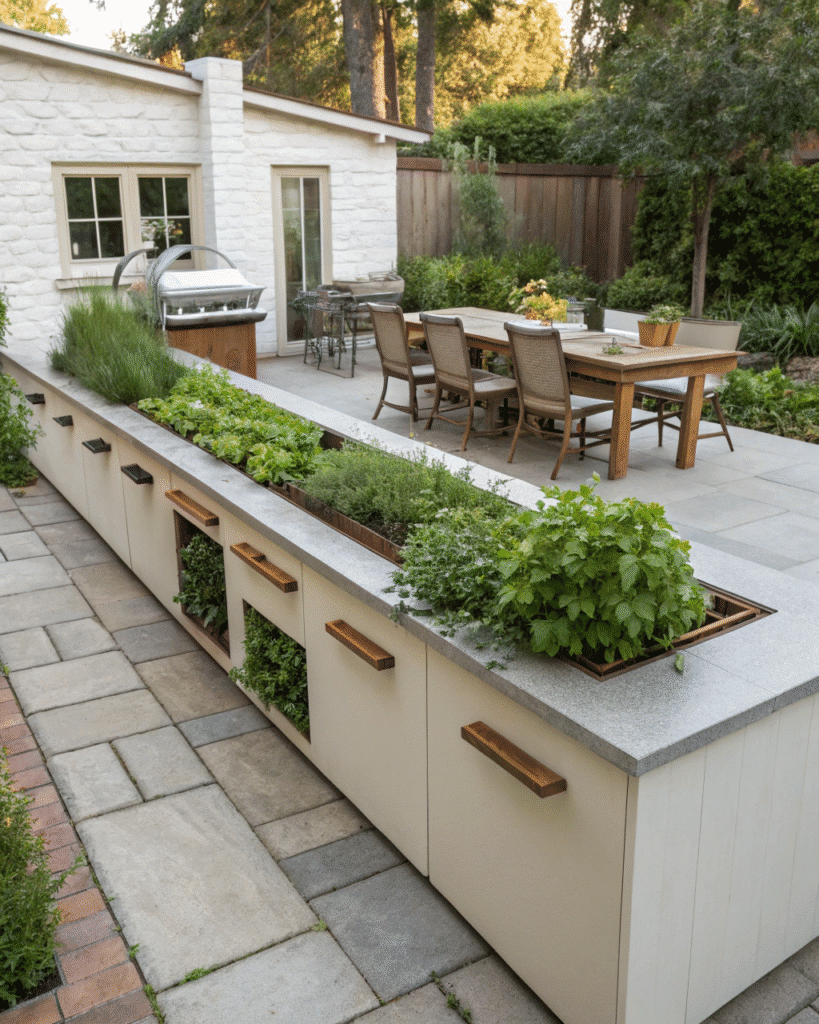
A built-in grill instantly makes your patio feel complete and professional.
Pro Tip: Use stone or brick around the base to match your patio design for a cohesive look.
2. Compact Kitchen Island
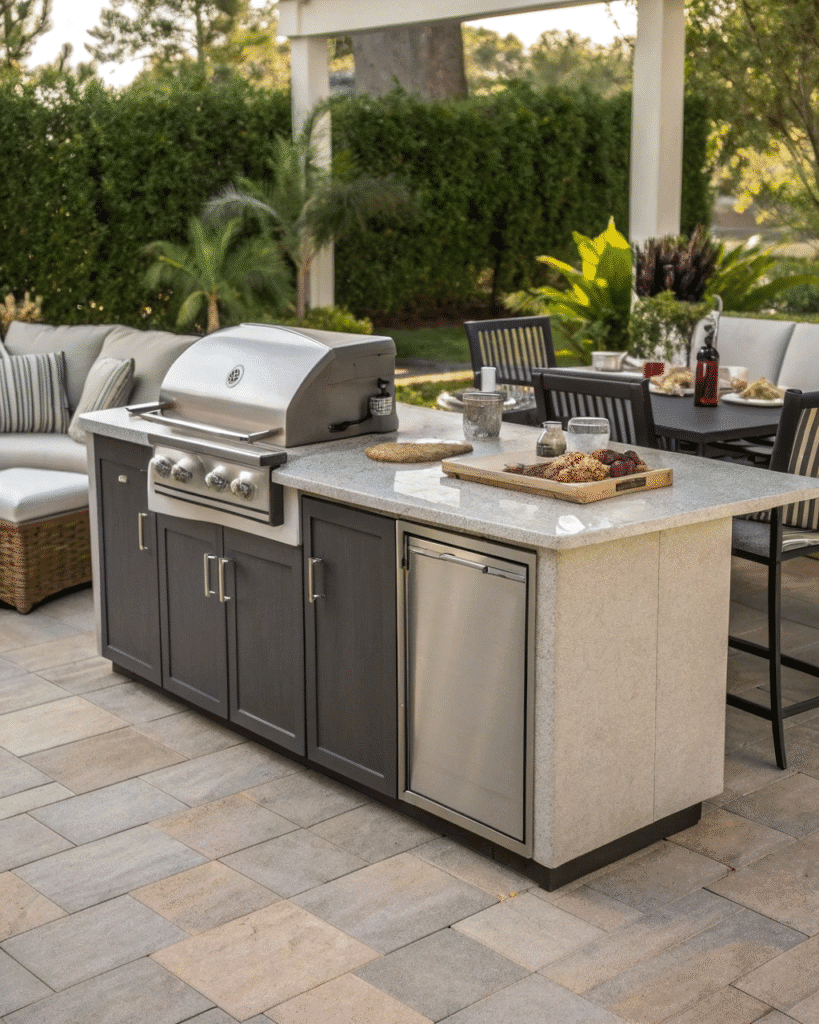
A small island with counter space adds function without taking up too much room.
Pro Tip: Choose weatherproof materials like concrete or sealed granite for durability.
3. Outdoor Sink Area
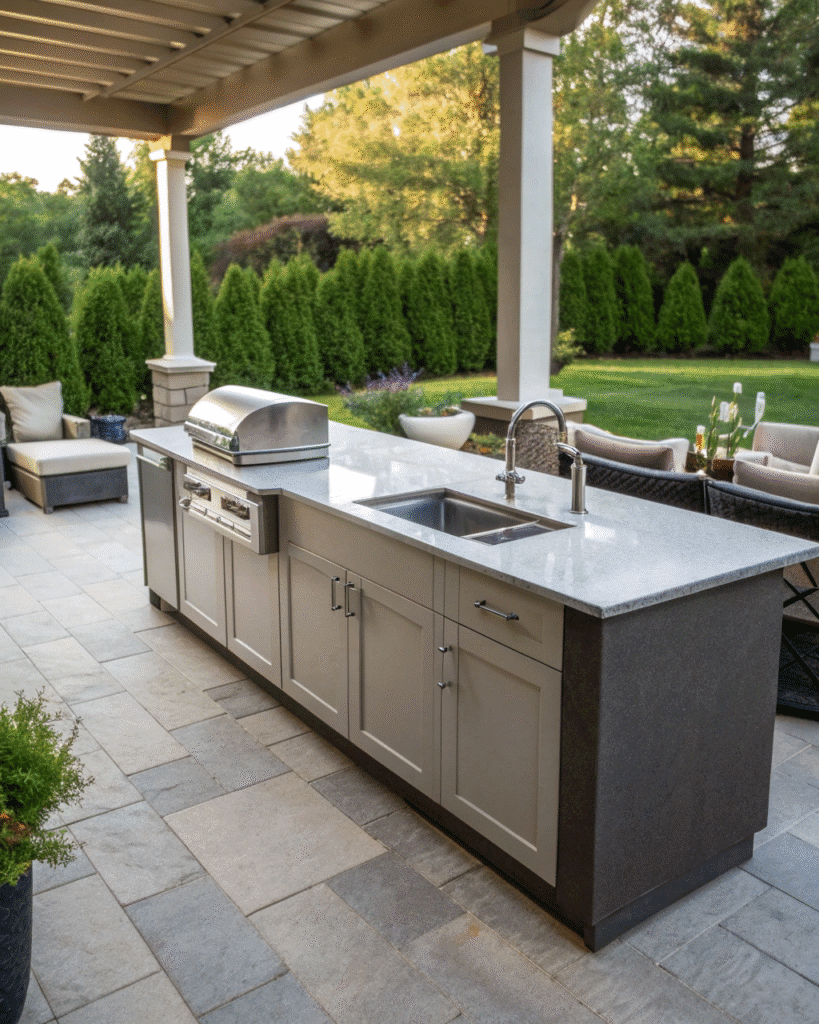
Add a sink for easy food prep and cleanup during outdoor cooking sessions.
Pro Tip: Connect it to an existing water line to simplify installation.
4. Pizza Oven Setup
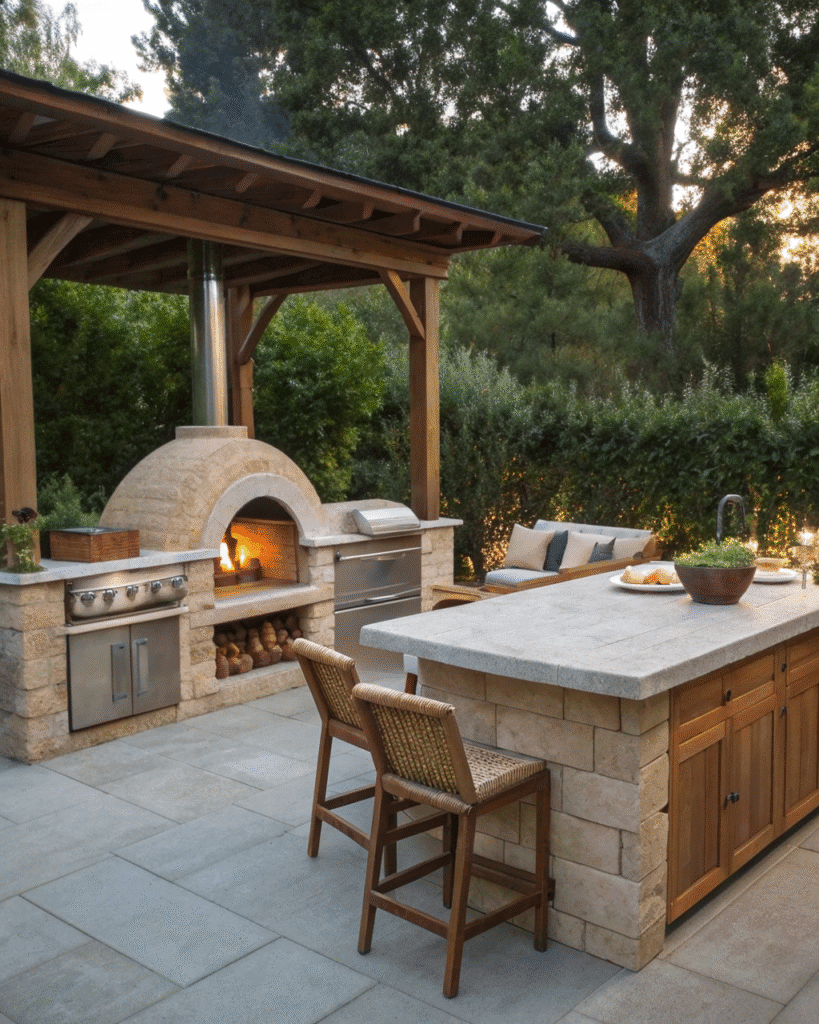
Bring a touch of Italy to your backyard with a wood-fired or portable pizza oven.
Pro Tip: Surround it with prep counters and seating for a fun pizza-night experience.
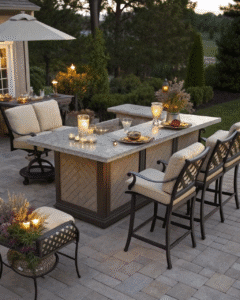
5. Bar Counter Kitchen
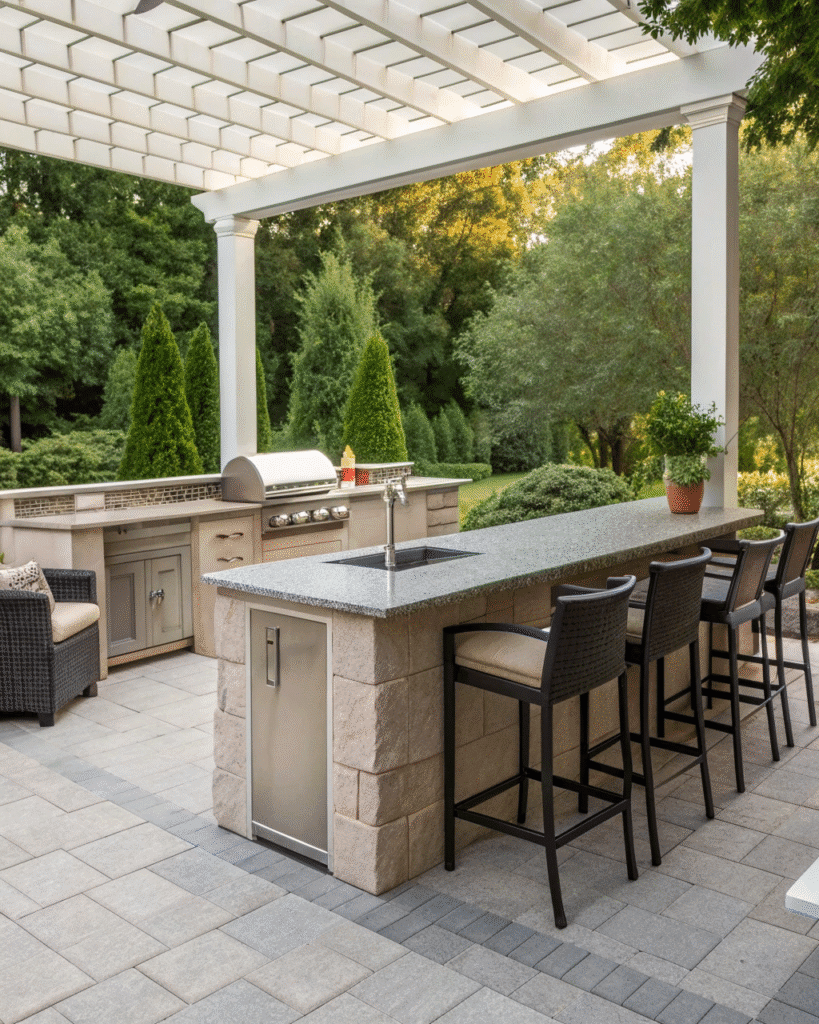
An outdoor bar kitchen combines entertainment and convenience in one space.
Pro Tip: Add bar stools and pendant lights for a cozy, social vibe.
6. Stone Countertop Design
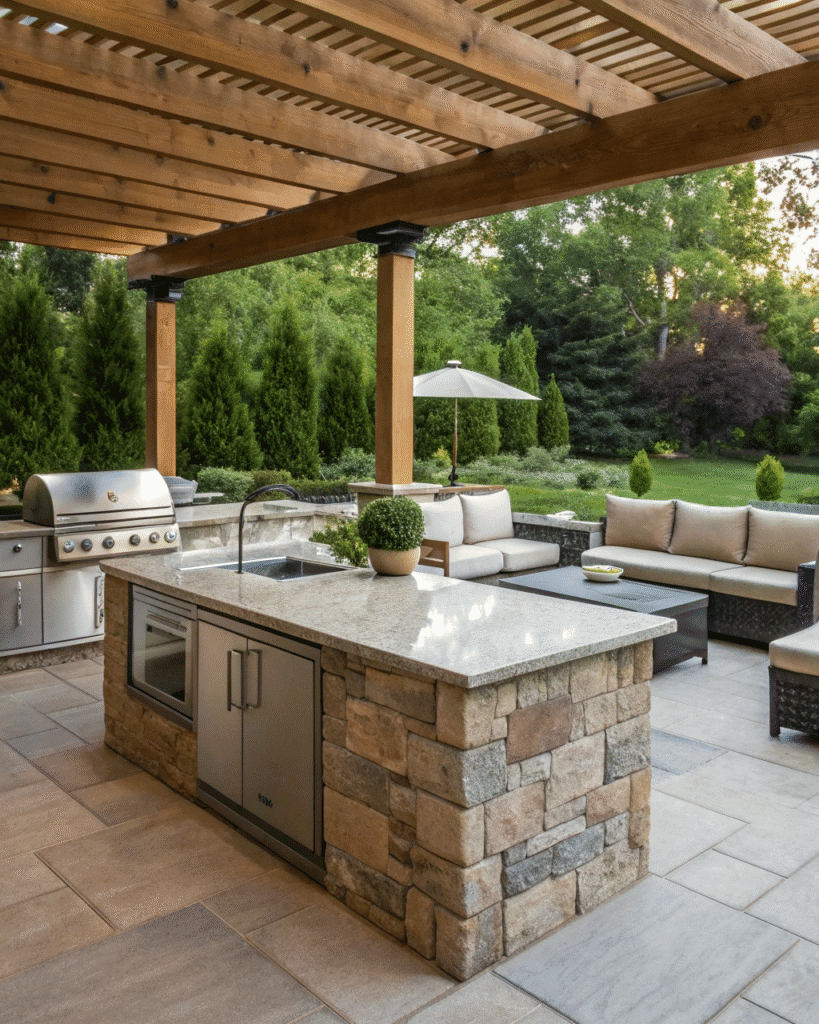
A stone countertop adds elegance and durability to your outdoor cooking area.
Pro Tip: Choose lighter tones to reflect sunlight and keep the area cool.
7. Covered Patio Kitchen
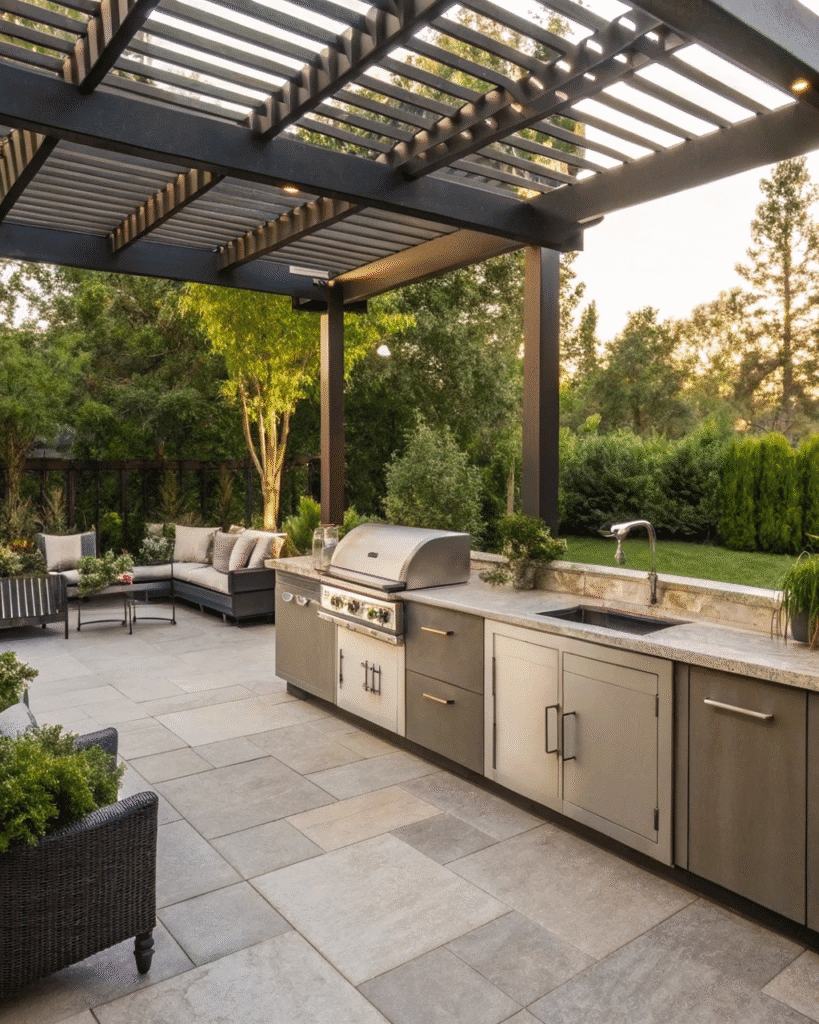
Install a pergola or roof to protect your kitchen setup from the elements.
Pro Tip: Add hanging lights or fans underneath for a comfortable cooking atmosphere.
8. Rustic Wooden Kitchen
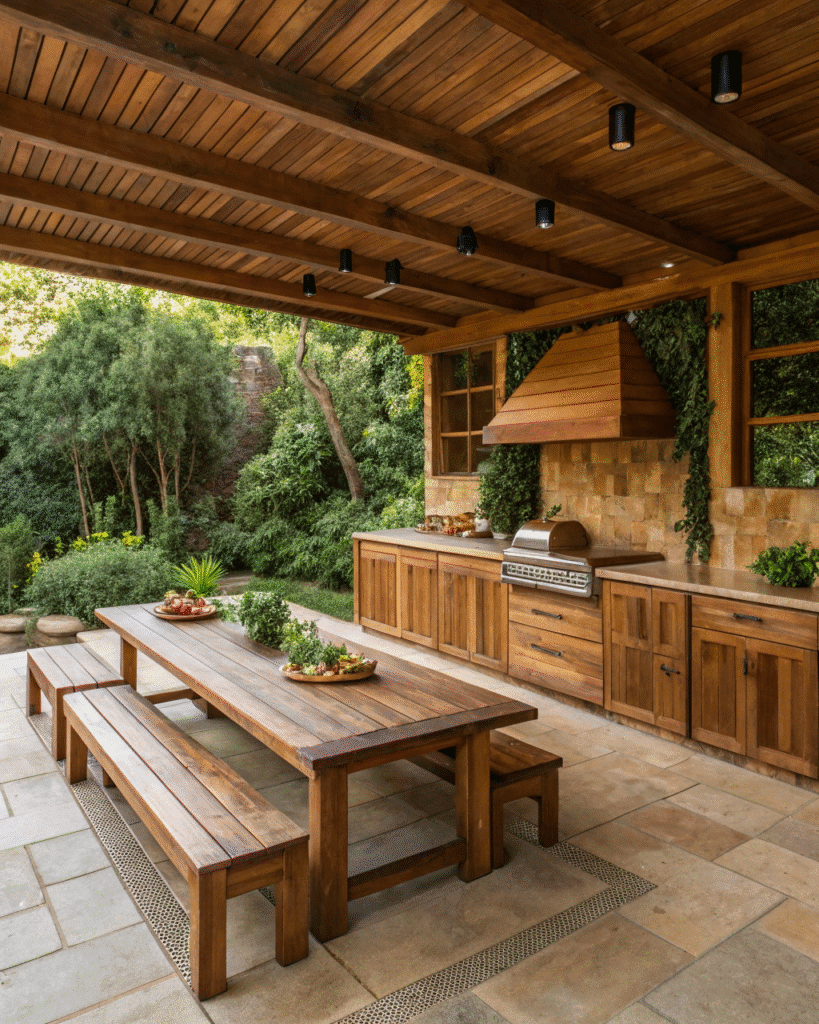
Wood finishes bring warmth and a cozy, cabin-like feel to your outdoor space.
Pro Tip: Seal the wood with waterproof coating to maintain its natural texture.
9. Modern Minimalist Setup
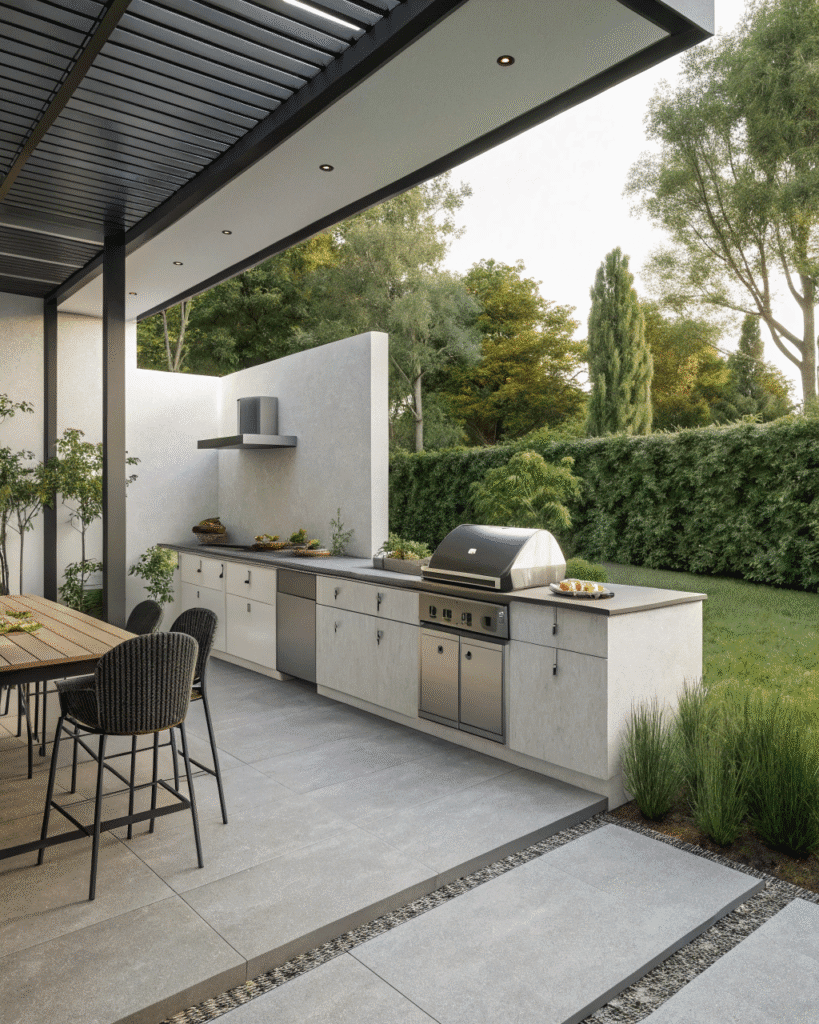
Clean lines and sleek materials give your patio kitchen a contemporary edge.
Pro Tip: Stick to a neutral color palette with stainless steel and black accents.
10. Outdoor Refrigerator
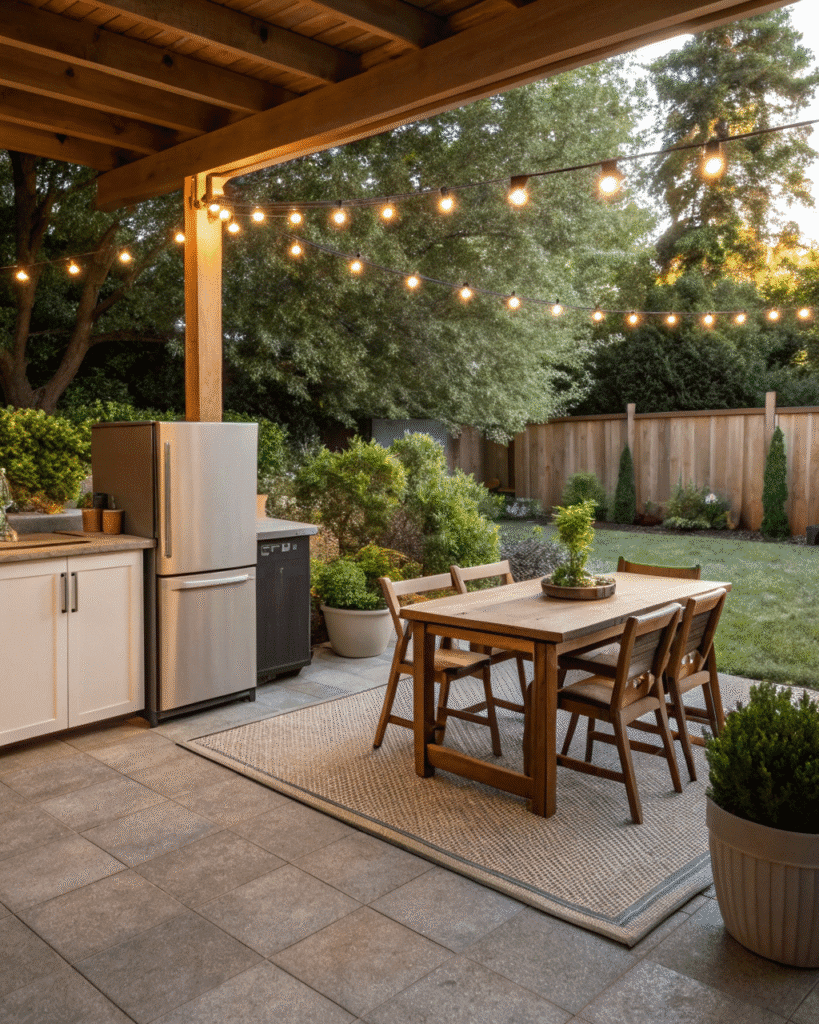
A mini fridge keeps drinks and ingredients cool and within easy reach.
Pro Tip: Opt for an energy-efficient, outdoor-rated refrigerator for reliability.
11. Built-In Storage Cabinets
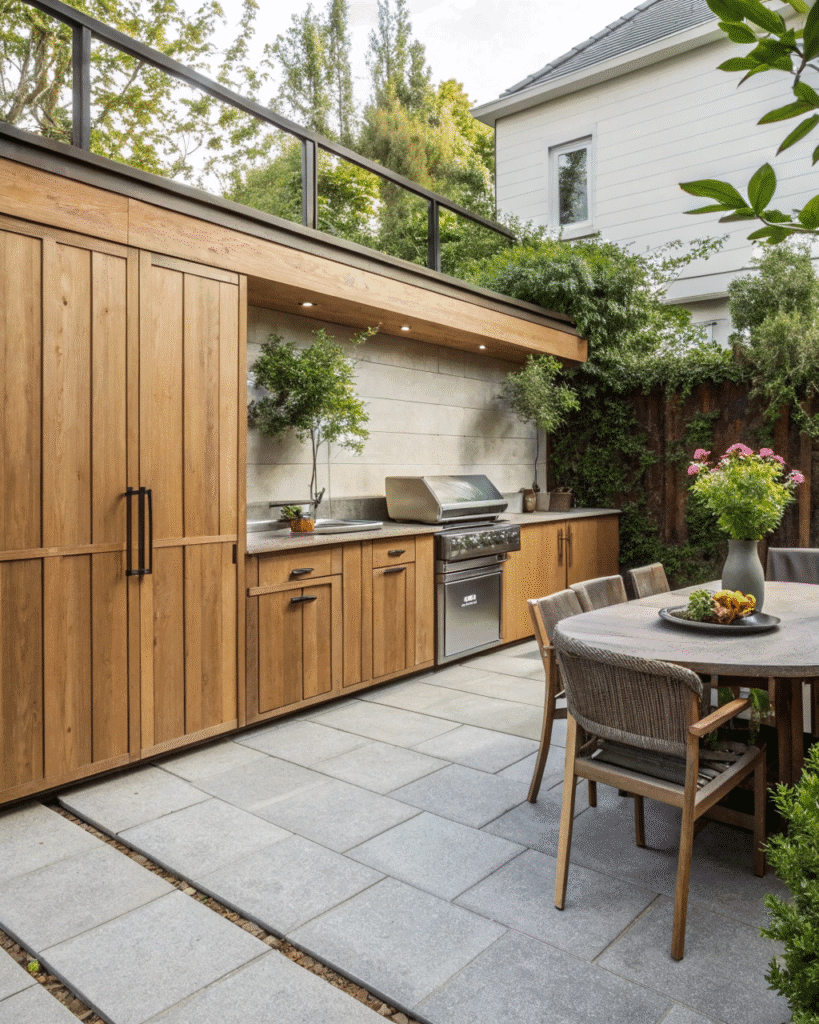
Keep your utensils and cookware organized with built-in outdoor cabinets.
Pro Tip: Use stainless steel or marine-grade materials to prevent rusting.
12. Fire Pit Kitchen Combo
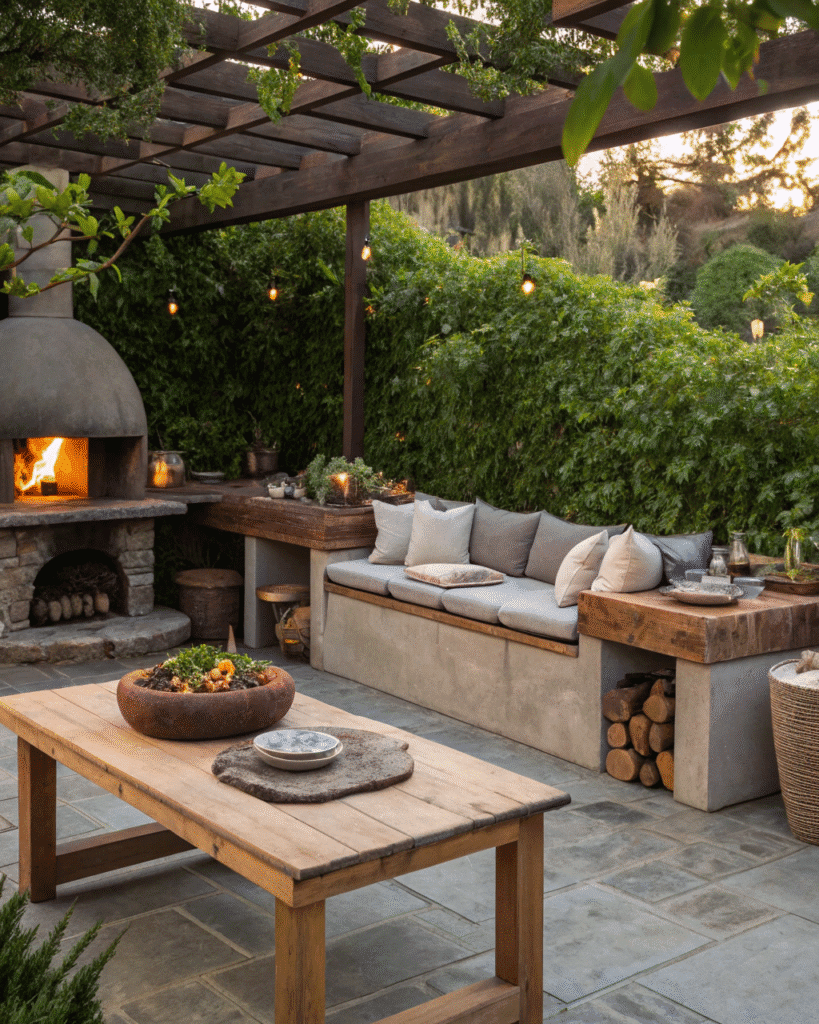
Combine a fire pit with a cooking station for warmth and versatility.
Pro Tip: Surround it with stone seating for a cozy, communal feel.
13. Herb Garden Counter
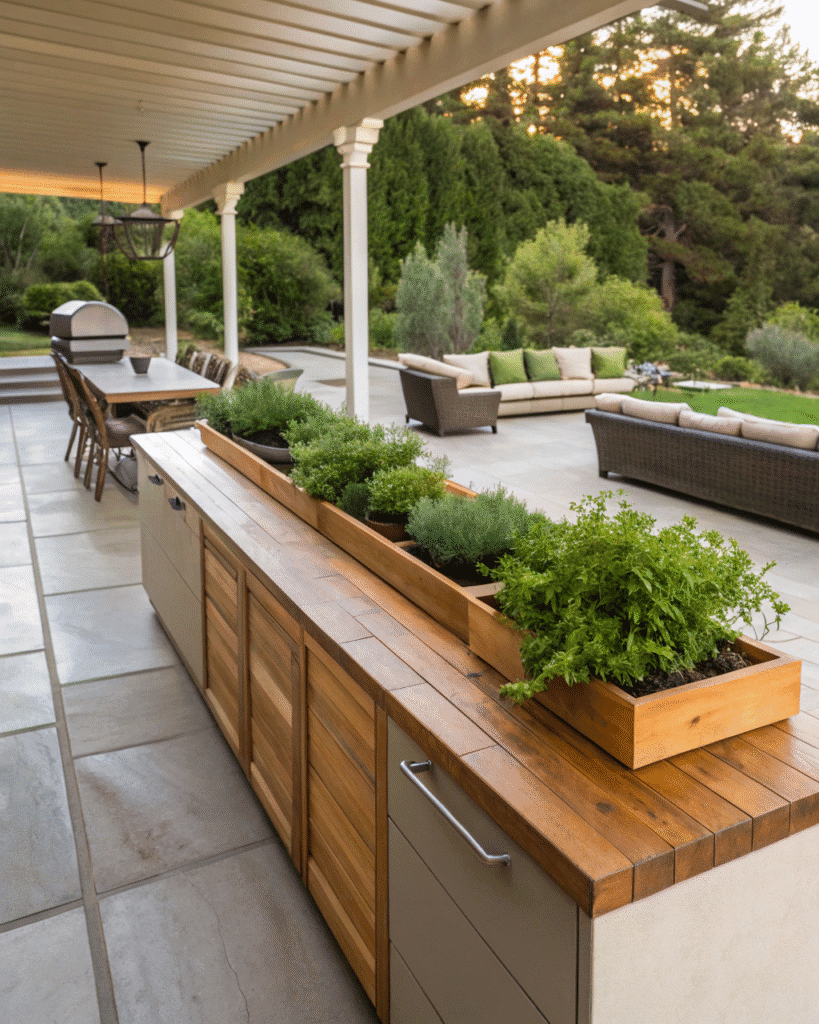
Incorporate a small herb garden into your countertop or nearby planters.
Pro Tip: Grow herbs like basil, mint, and rosemary for easy access while cooking.
14. Portable Kitchen Cart
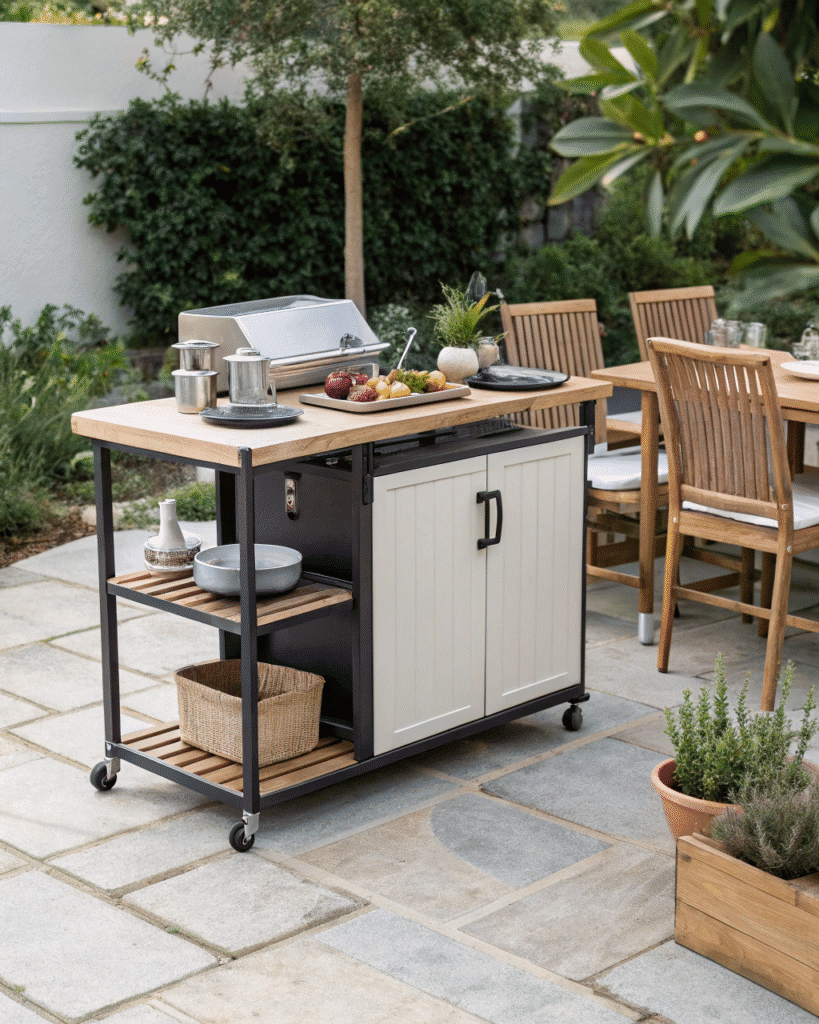
A rolling kitchen cart offers flexibility and is great for small patios.
Pro Tip: Choose one with a prep surface, hooks, and shelves to maximize functionality.
Final Thoughts
An outdoor kitchen changes the way you live in your home during the months that matter most. It moves the heart of your cooking and hosting life outside where the air is better, the company is closer, and the evenings have a way of lasting just a little longer than they do anywhere else.
Start with the setup that fits your current budget and your actual cooking habits honestly, build it well, and use it as much as you can. Every meal you cook outside will remind you why this was one of the best decisions you made for your home and your life in it.
Frequently Asked Questions
How much does an outdoor patio kitchen cost?
The cost range for outdoor kitchens is extremely wide. A modest portable or modular outdoor kitchen setup can cost anywhere from 500 to 3,000 dollars. A mid-range built-in outdoor kitchen with a grill station, countertops, and basic storage typically costs between 5,000 and 15,000 dollars installed. A full luxury outdoor kitchen with premium appliances, stone countertops, a sink, refrigerator, pizza oven, and full covered structure can cost 30,000 dollars or more. The most important factor in determining where your budget is best spent is thinking honestly about how you will actually use the kitchen and buying for that use case rather than for maximum aspiration.
What is the best material for outdoor kitchen countertops?
Granite, quartzite, and porcelain slab are the top three choices for outdoor kitchen countertops because all three are extremely hard, heat-resistant, and weather-resistant. Granite and quartzite bring the warmth and natural variation of real stone. Porcelain slab offers an even wider range of surface appearances including stone-look and concrete-look options at a generally more accessible price point. All three should be sealed annually to maintain their stain resistance in an outdoor cooking environment.
Do I need a permit to build an outdoor kitchen?
In most US jurisdictions, a built-in outdoor kitchen that includes gas lines, electrical connections, plumbing, or a permanent structural roof requires one or more permits. Gas appliance connections always require a licensed plumber or gas fitter and typically a permit. Electrical circuits for outdoor appliances require a licensed electrician and a permit in almost all jurisdictions. Built-in structures above a certain size may require a building permit. Always check with your local building authority before beginning any permanent outdoor kitchen construction.
Can an outdoor kitchen be used year round?
In warm southern climates, an outdoor kitchen can be used for most or all of the year. In colder northern climates, a covered outdoor kitchen with a patio heater can extend the cooking season into the shoulder months of spring and fall but will typically be too cold for comfortable use through the winter months. The cover and heating are the two most important factors in maximizing the year-round usability of an outdoor kitchen in climates with cold winters.
What appliances should I prioritize in an outdoor kitchen?
If you are working within a budget, prioritize in this order: a quality built-in grill first as it is the most used appliance in any outdoor kitchen, an outdoor-rated refrigerator second as it makes a dramatic practical difference to the cooking and hosting experience, a sink third for convenience and workflow, and additional appliances like a side burner, pizza oven, or ice maker as budget allows in subsequent phases of the build.