
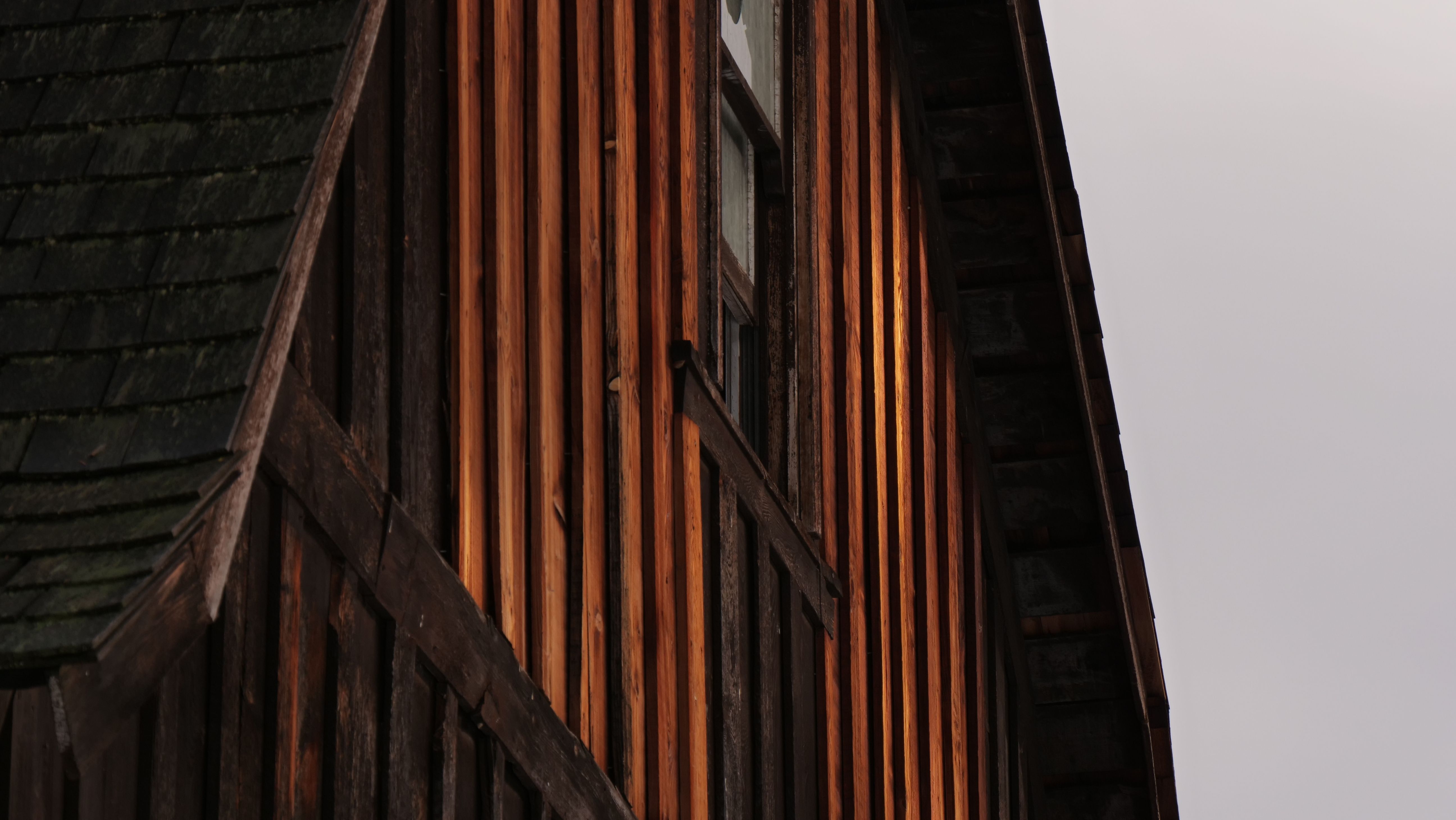
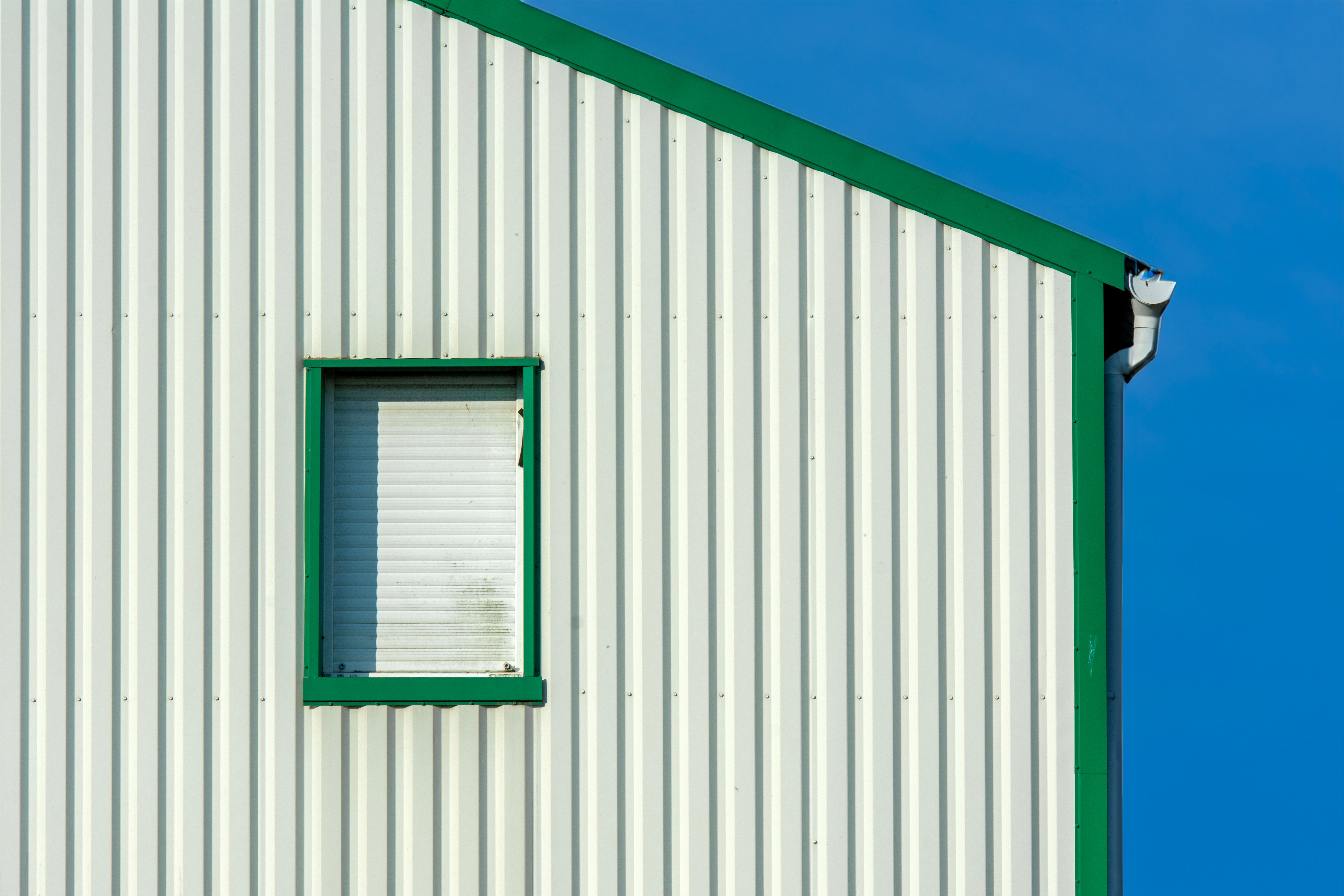
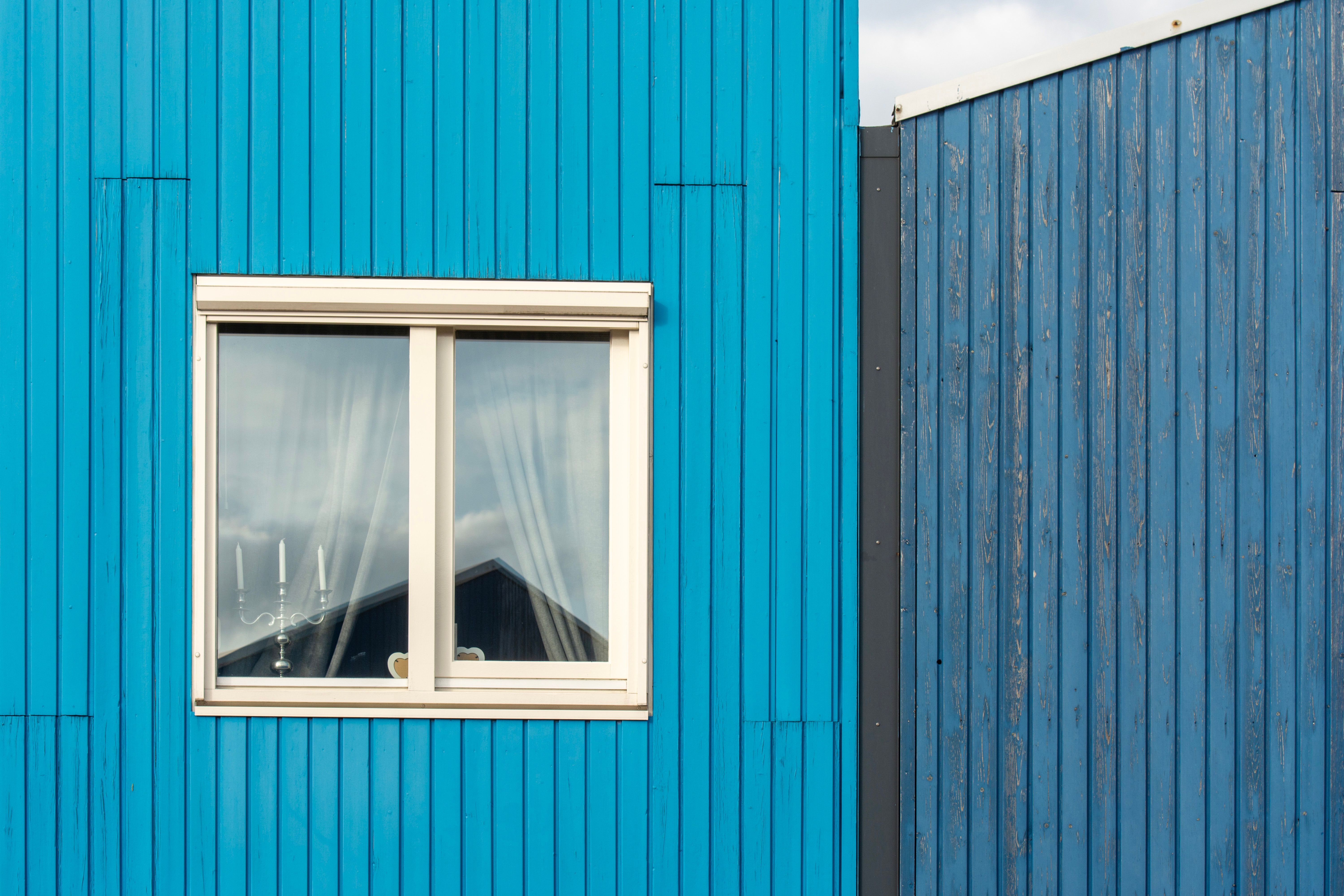

If you’ve been exploring different exterior siding styles, you’ve probably come across traditional board and batten siding. Its wide vertical boards and narrow raised strips create a farmhouse-inspired appearance that has remained popular for generations.
In this article:
- What Is Reverse Board and Batten Siding?
- What Does Reverse Board and Batten Siding Look Like?
- Reverse Board and Batten vs. Traditional Board and Batten: What’s the Difference?
- What Materials Are Available for Reverse Board and Batten Siding?
- What Are the Benefits of Reverse Board and Batten Siding?
- What Are the Disadvantages of Reverse Board and Batten Siding?
- How Much Does Reverse Board and Batten Siding Cost?
- Reverse Board and Batten Siding Design Ideas
- How to Choose the Right Reverse Board and Batten Siding
- How to Plan Reverse Board and Batten Siding Measurements
- How Do You Maintain Reverse Board and Batten Siding?
- Is Reverse Board and Batten Siding Worth Considering?
- Frequently Asked Questions
But there’s another version worth knowing about: reverse board and batten siding.
As the name suggests, this style changes the traditional board and batten arrangement. Instead of the familiar narrow battens sitting over the joints between wider boards, reverse profiles create a different relationship between the raised and recessed sections. The result is a distinctive exterior texture that can give a home a slightly different character.
It’s an interesting option for homeowners who like vertical siding but want something that doesn’t look exactly like every other farmhouse exterior.
Reverse board and batten is also available in different materials and manufactured profiles, so you aren’t necessarily limited to traditional wood.
In this guide, we’ll explain what reverse board and batten siding is, how it differs from the traditional style, which materials are available, and what to consider before choosing it for your home.
What Is Reverse Board and Batten Siding?
Reverse board and batten siding is a variation of traditional board and batten siding that uses a reversed panel or profile arrangement to create a different visual effect.
In traditional board and batten, narrow strips called battens are placed over the joints between wider vertical boards.
With reverse board and batten, the profile changes the appearance of these raised and recessed sections. Depending on the manufacturer, it may feature wider raised sections over narrower recessed channels, creating a board-on-board or reverse-profile appearance.
The exact design isn’t identical across every product.
For example, CertainTeed’s Reverse Board and Batten siding is a reinforced vinyl vertical siding profile designed to create a rustic farmhouse appearance.
The difference is also reflected in the steel siding range from MAC Metal Architectural, which offers both traditional and reverse board and batten profiles.
This is why it’s worth looking at actual product samples rather than assuming every reverse board and batten product has the same dimensions or appearance.
What Does Reverse Board and Batten Siding Look Like?
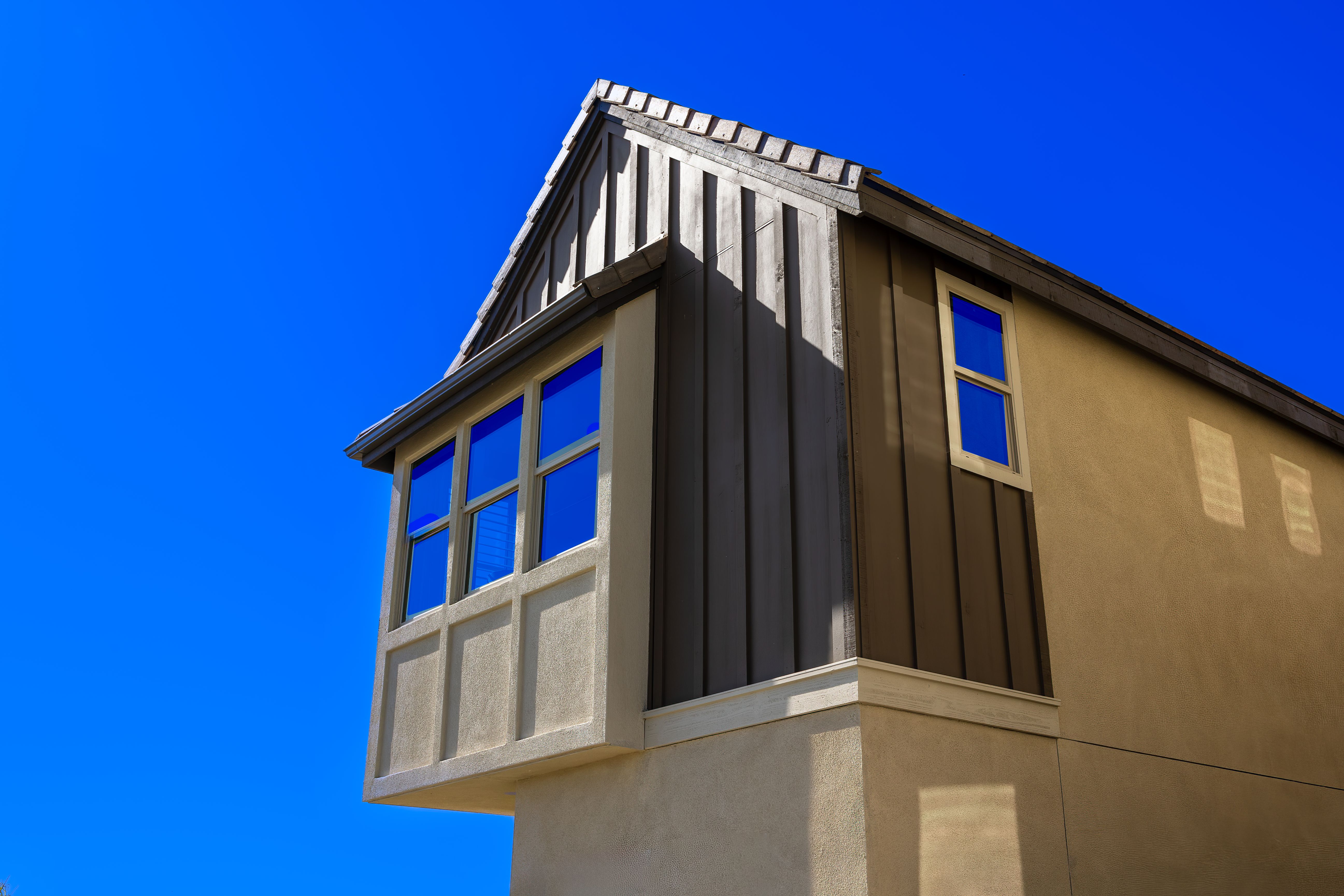
Reverse board and batten siding has the same general vertical orientation as traditional board and batten, but its profile creates a different arrangement of raised and recessed surfaces.
The overall appearance depends on the material and manufacturer.
Some products have a more pronounced raised panel effect, while others create a subtle rustic texture.
You can use reverse board and batten on:
- Modern farmhouse exteriors
- Traditional cottages
- Contemporary homes
- Barn-inspired properties
- Upper-level gables
- Front entryways
- Exterior accent walls
One attractive feature is that it can be used on its own or combined with other siding styles.
For example, you could use reverse board and batten on the front-facing gables while keeping horizontal lap siding across the main exterior walls.
This creates a little more visual interest without requiring the entire house to have the same siding pattern.
Reverse Board and Batten vs. Traditional Board and Batten: What’s the Difference?
This is probably the most important distinction to understand before choosing between the two.
Both styles use vertical lines to add depth and character to an exterior, but their profiles are different.
| Feature | Traditional board and batten | Reverse board and batten |
|---|---|---|
| Basic design | Narrow battens cover joints between wider boards | Reversed raised and recessed profile |
| Visual appearance | Classic raised batten lines | Different panel-on-board or recessed-channel effect |
| Architectural feel | Traditional farmhouse and rustic | Distinctive rustic and contemporary |
| Materials | Wood, vinyl, fiber cement, metal, engineered wood | Depends on available manufacturer profiles |
| Installation | Depends on material and siding system | Depends on the specific reverse profile |
| Design flexibility | Can be used across entire walls or as accents | Can also be used for full walls or accent sections |
The main difference comes down to the profile and the way the raised and recessed sections are arranged.
If you’re comparing products, pay attention to the actual cross-sectional drawings and installation samples. Product names alone don’t always tell you exactly how the finished wall will look.
What Materials Are Available for Reverse Board and Batten Siding?
Reverse board and batten isn’t limited to one material.
Depending on the manufacturer, you may find options in vinyl, engineered wood, and metal.
1. Vinyl Reverse Board and Batten Siding
Vinyl is one of the more recognizable manufactured options for this style.
It recreates the reverse board and batten appearance using factory-produced vertical panels.
For example, CertainTeed Reverse Board and Batten Reinforced Siding is made from thick .046-inch vinyl and includes a foam backing designed to add rigidity.
The manufacturer describes it as a low-maintenance option that is resistant to moisture, rot, and decay.
Why homeowners consider it:
- Lower routine maintenance than traditional wood
- Available in multiple colors
- Manufactured vertical profile
- Does not rot like natural wood
- Designed to recreate a rustic wood appearance
Things to consider:
Vinyl can crack or become damaged by impact. It also expands and contracts as temperatures change.
Correct fastening, panel clearance, and installation are important for maintaining its appearance.
The Chic Edit
2. Engineered Wood Reverse Board and Batten Siding
Engineered wood offers another way to achieve a reverse board and batten appearance.
One example is the reverse board and batten profile offered within the LP SmartSide product range.
Its engineered wood siding product is worth exploring if you want a manufactured wood-based alternative.
Depending on the product, engineered wood siding may feature a textured surface designed to resemble natural cedar.
Why homeowners consider it:
- Wood-inspired appearance
- Available in manufactured panel formats
- Can be painted or factory-finished, depending on the product
- Works with rustic and farmhouse-inspired designs
Things to consider:
Engineered wood requires proper moisture protection, installation, and maintenance.
Exposed cuts and edges need to be treated according to the manufacturer’s instructions. Ground clearance, flashing, and drainage details are also important.
3. Metal Reverse Board and Batten Siding
Metal is another interesting option, especially if you’re looking for a more contemporary exterior.
Some metal manufacturers offer both traditional and reverse board and batten profiles.
For example, MAC Metal’s reverse board and batten steel siding offers a 12-inch-wide panel profile with a defined panel depth and concealed fasteners.
Metal reverse board and batten can work particularly well on:
- Modern farmhouse homes
- Barndominiums
- Contemporary properties
- Rural residential buildings
- Architectural accent walls
Why homeowners consider it:
- Clean architectural appearance
- Available in different factory finishes
- Does not rot like natural wood
- Relatively low routine maintenance
- Can create a distinctive vertical exterior
Things to consider:
Metal can dent or scratch, and protective coatings need to be maintained.
The correct panel system, fastening details, and flashing are important for long-term performance.
What Are the Benefits of Reverse Board and Batten Siding?
There are several reasons homeowners might choose reverse board and batten over a more traditional exterior profile.
1. It Gives Your Home a Different Exterior Appearance
One of the biggest advantages is that it offers something slightly different from the traditional board and batten look.
If you like vertical siding but want a less familiar profile, reverse board and batten can be an interesting alternative.
Its raised and recessed details create a different pattern of shadows and texture.
2. It Works With Modern and Traditional Architecture
Reverse board and batten has a rustic foundation, but it can also work with contemporary designs.
For example, a neutral reverse board and batten exterior paired with dark windows and simple trim can create a modern farmhouse appearance.
You can also use it on a traditional cottage with warmer colors and natural wood accents.
3. It Is Available in Different Materials
Depending on the manufacturer, you can find reverse board and batten profiles in vinyl, engineered wood, and metal.
This gives you flexibility when comparing maintenance, appearance, installation, and budget.
4. It Can Be Used as an Accent or Across the Entire Exterior
You don’t have to cover every exterior wall with reverse board and batten.
Using it on a front-facing gable, entryway, or upper-level section can add texture without making the entire exterior look too busy.
Alternatively, a consistent reverse board and batten profile across the entire home can create a more uniform appearance.
5. Manufactured Options Can Reduce Some Maintenance Requirements
If you choose a suitable vinyl or factory-finished metal product, you may avoid the regular painting and staining associated with natural wood.
However, every siding material still requires inspection and appropriate cleaning.
What Are the Disadvantages of Reverse Board and Batten Siding?
Before deciding, it’s worth looking at a few potential drawbacks.
1. Product Availability May Be Limited
Traditional board and batten siding is available in a wide range of materials and product profiles.
Reverse board and batten is more specialized, so your choices may be more limited depending on the manufacturer and location.
You may need to contact local suppliers to find out which profiles are available.
2. The Appearance Varies Between Manufacturers
There isn’t one universal reverse board and batten profile.
Different manufacturers may use different panel widths, raised sections, recessed channels, and surface textures.
This means two products with the same name can look quite different.
Always request samples or technical drawings before ordering.
3. Installation Requirements Can Be Different
You shouldn’t assume that reverse board and batten is installed exactly like traditional board and batten.
Panel dimensions, fastening systems, wall preparation, and accessory requirements depend on the specific product.
For example, LP SmartSide’s vertical siding application guidance provides technical information about its vertical siding products and board and batten applications.
People Also Love
Always follow the instructions for the exact product you’re using.
4. It May Cost More Than Basic Siding Options
Specialty profiles, limited availability, custom colors, and additional installation requirements can affect the final price.
Get a detailed quote before committing to a particular design.
5. It May Not Suit Every Exterior Design
Although reverse board and batten is versatile, its distinctive pattern may not complement every architectural style.
It’s worth looking at the overall exterior before deciding whether to use it across the entire house or only as an accent.
How Much Does Reverse Board and Batten Siding Cost?
There isn’t one standard price for reverse board and batten siding.
The total depends on the material, manufacturer, product profile, project size, and installation requirements.
Some of the main cost factors include:
- Vinyl, engineered wood, or metal selection
- Panel thickness and dimensions
- Manufacturer and product quality
- Color and finish
- Total wall area
- Labor costs
- Existing siding removal
- Wall preparation
- Trim and accessories
- Window and door details
For example, a reinforced vinyl reverse board and batten product may have a different price from a specialty metal panel system.
You should also consider whether the product is readily available through local suppliers. Special-order products may have different lead times and delivery costs.
When requesting estimates, ask contractors to separate the material, labor, preparation, trim, and removal costs.
This makes it easier to compare different materials fairly.
Reverse Board and Batten Siding Design Ideas
If you’re considering this style, here are a few ways to incorporate it into your exterior.
1. Reverse Board and Batten on Front Gables
Using reverse board and batten on the front-facing gables is a simple way to add texture.
You can keep the main exterior walls in horizontal siding and use the reverse profile as an accent.
This works particularly well on farmhouse-inspired homes.
2. White Reverse Board and Batten Siding
White creates a clean, bright appearance and works well with traditional exterior details.
Pair it with dark roofing, black windows, and natural wood accents for a balanced farmhouse look.
3. Dark Reverse Board and Batten Siding
Charcoal, black, and deep gray can make reverse board and batten look more contemporary.
These shades work particularly well with simple architectural lines and lighter stone or wood accents.
4. Reverse Board and Batten With Horizontal Lap Siding
Combining vertical and horizontal siding is a popular way to create visual contrast.
You could use reverse board and batten on the upper walls and horizontal lap siding below.
The difference in direction helps separate the architectural sections of the home.
5. Natural Wood-Look Reverse Board and Batten
If you like the appearance of weathered cedar, look for engineered wood or metal products with wood-inspired finishes.
These can create a rustic appearance without using traditional unfinished timber.
How to Choose the Right Reverse Board and Batten Siding
Choosing a product involves more than comparing photographs.
Here are a few things to consider before making your decision.
Consider the Material First
Start by deciding whether you prefer vinyl, engineered wood, or metal.
Each has different maintenance and installation requirements.
Think about your climate, budget, and the appearance you want to achieve.
Check the Actual Panel Profile
Ask for product samples or cross-sectional drawings.
Look at the width of the raised sections, recessed areas, panel depth, and overall appearance.
This is particularly important because reverse board and batten profiles aren’t standardized across manufacturers.
Compare Colors and Finishes
Consider how the siding will work with your roof, windows, doors, and trim.
More Worth Exploring

White, gray, charcoal, beige, and natural wood-inspired finishes can all work well depending on the architectural style.
Review Manufacturer Warranties
Check the product warranty carefully.
Pay attention to coverage for material defects, finish performance, and any installation or maintenance conditions.
Also check whether special requirements apply to darker colors or particular product finishes.
Find an Experienced Installer
Ask contractors whether they’ve installed the specific reverse board and batten product you’re considering.
Vertical siding systems can have different fastening and detailing requirements, so product experience matters.
How to Plan Reverse Board and Batten Siding Measurements
Before ordering materials, it’s worth working through the measurements and proportions of your exterior wall.
The profile of reverse board and batten can change the way the wall looks, particularly when you’re comparing different panel widths and raised sections.
Start by measuring the total wall width and height. Then account for windows, doors, corners, and other architectural details.
You can experiment with different arrangements using our board and batten spacing and measurement tool.
It can help you understand how spacing changes the overall appearance and make preliminary layout planning easier before you purchase materials.
One important detail: manufactured reverse board and batten panels may have fixed coverage widths and profile dimensions. Use the actual manufacturer’s specifications for your final material calculations rather than assuming the calculator determines product-specific panel quantities.
How Do You Maintain Reverse Board and Batten Siding?
Maintenance depends on the material you choose.
However, there are a few general practices that can help keep the exterior in good condition.
Inspect the siding regularly. Look for loose panels, cracks, scratches, and other visible damage.
Keep the exterior clean. Remove dirt and surface buildup using a cleaning method approved by the manufacturer.
Check the flashing. Pay attention to windows, doors, corners, and transitions where water could enter the wall assembly.
Maintain proper drainage. Keep gutters and downspouts clear so water doesn’t repeatedly run down exterior walls.
Check the finish. For engineered wood and metal products, inspect exposed cuts, damaged coatings, and areas that may need touch-up work.
Follow the manufacturer’s instructions. Different materials have different cleaning, repair, and maintenance requirements.
Regular inspections can help you identify small problems before they become more expensive repairs.
Is Reverse Board and Batten Siding Worth Considering?
If you like the vertical appearance of traditional board and batten but want a different profile, reverse board and batten is certainly worth exploring.
It offers a distinctive exterior pattern and is available in several manufactured materials.
Vinyl may appeal to homeowners looking for relatively low maintenance. Engineered wood offers another way to achieve a wood-inspired appearance, while metal can create a more contemporary finish.
The most important thing is to compare the actual profiles rather than relying only on product names.
Look at samples, review installation requirements, and make sure the selected material works with your home’s architecture and local conditions.
With the right product and proper installation, reverse board and batten can be an interesting way to give your home’s exterior a more distinctive appearance.
Frequently Asked Questions
What is reverse board and batten siding?
Reverse board and batten siding is a variation of traditional board and batten that uses a different arrangement of raised and recessed sections. The exact profile depends on the manufacturer and product.
What is the difference between board and batten and reverse board and batten?
Traditional board and batten uses narrow strips over the joints between wider boards. Reverse profiles change this arrangement to create a different visual effect, often with wider raised sections and narrower recessed areas.
Is reverse board and batten siding available in vinyl?
Yes. CertainTeed offers a reinforced vinyl reverse board and batten siding product designed for vertical exterior applications.
Can reverse board and batten siding be installed horizontally?
Some reverse profiles are approved for horizontal as well as vertical installation, while others are designed for vertical use only. For example, MAC Metal lists horizontal installation as an option for its reverse profile. Always check the specific manufacturer’s instructions.
Is reverse board and batten siding more expensive?
It depends on the material, manufacturer, product availability, and installation requirements. Specialty profiles may cost more than basic siding options.
Does reverse board and batten siding look like real wood?
Some products recreate the texture and appearance of wood using manufactured materials. The resemblance depends on the surface texture, finish, and profile.
Can reverse board and batten siding be used on the entire house?
Yes. Some products are suitable for full-house applications, while others are commonly used as accent siding. Check the manufacturer’s approved applications before purchasing.
Is reverse board and batten siding low maintenance?
Certain vinyl and factory-finished metal options require relatively little routine maintenance. Engineered wood and other products may have additional finishing and inspection requirements.
Can you combine reverse board and batten with traditional siding?
Absolutely. You can combine reverse board and batten with horizontal lap siding, traditional board and batten, stone, brick, or other exterior materials.
Is reverse board and batten siding suitable for modern farmhouse homes?
Yes. Its vertical lines and distinctive profile can work particularly well with modern farmhouse architecture. Neutral colors, dark windows, and natural wood accents can help create a balanced exterior.
Does reverse board and batten siding need painting?
That depends on the material and finish. Some vinyl products don’t require painting, while engineered wood and certain metal products may have specific refinishing requirements.
How do I choose the right reverse board and batten profile?
Compare actual product samples, panel dimensions, raised and recessed sections, colors, warranties, and installation instructions. Don’t rely on the product name alone because profiles can vary between manufacturers.