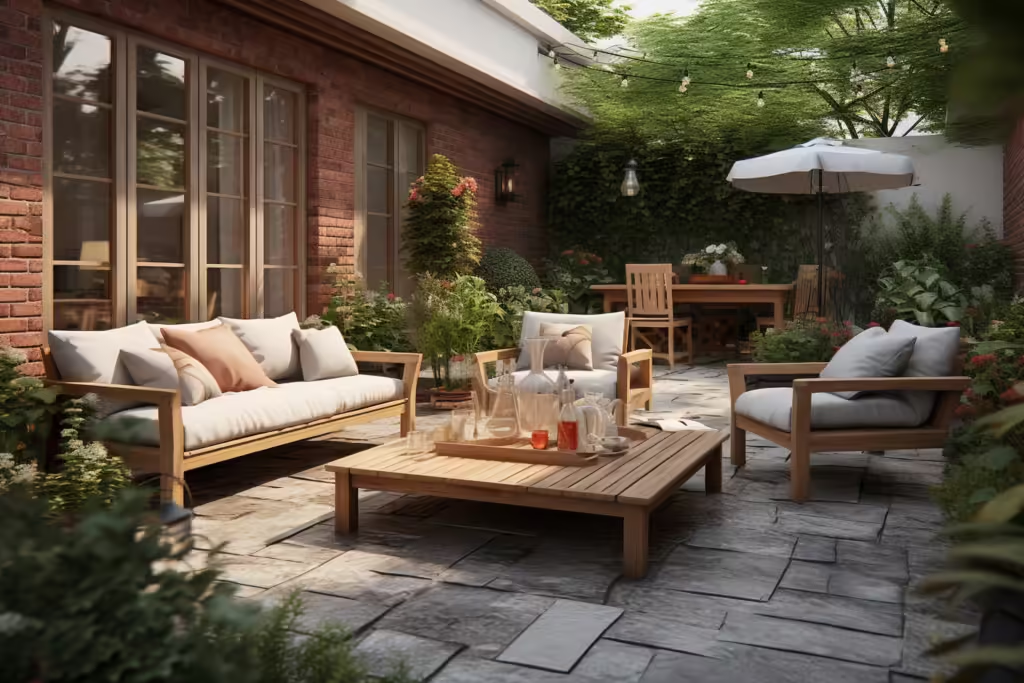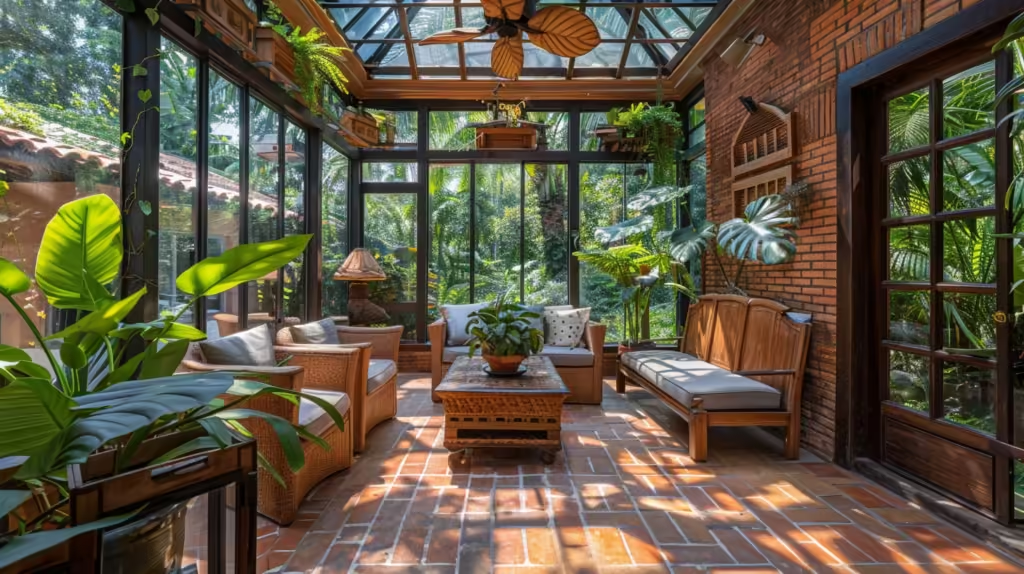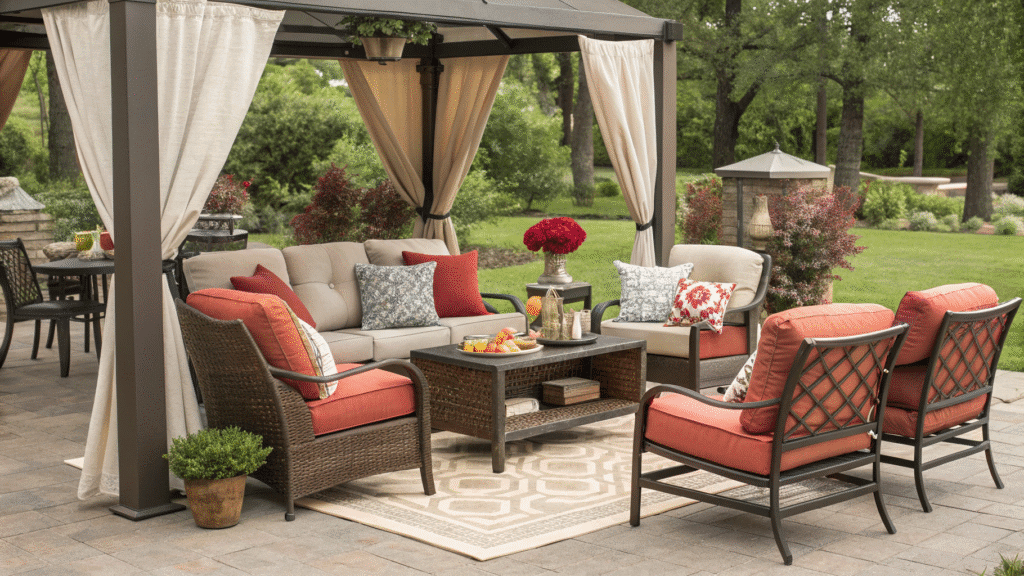
15+ Patio Furniture Ideas for Style and Comfort
The furniture you choose for your patio determines everything about how the space actually gets used. The right pieces make your patio somewhere you genuinely want to spend time, somewhere that feels comfortable, intentional, and worth returning to every single day. The wrong pieces, or the right pieces in the wrong arrangement, turn an outdoor space into somewhere you walk past rather than somewhere you walk into.
Patio furniture has never been better than it is right now. The range of materials, styles, price points, and configurations available today means that whether you are working with a tiny balcony or a sprawling backyard, whether your aesthetic is sleek and modern or relaxed and bohemian, whether you need furniture that stores away for winter or pieces that live outside year round, there is a combination of outdoor furniture on the market that fits your exact situation perfectly.
How to Choose the Right Patio Furniture for Your Space
Before you buy anything, a few foundational decisions will save you significant money and frustration. Patio furniture is a meaningful investment and getting the basics right from the start is worth the extra thinking time upfront.
Measure Your Space First
The single most common patio furniture mistake is buying pieces that are the wrong size for the space. Too large and the patio feels cramped and difficult to move through. Too small and the furniture looks lost and the space feels underdesigned. Measure your patio dimensions accurately and mark out the footprint of any furniture you are considering on the ground with tape before you buy. This simple step prevents the very expensive mistake of having furniture delivered that does not fit the way you imagined it would.
Love Chic Living Club?
Add us as one of your preferred Google sources and discover more home decor, DIY, outdoor, and lifestyle inspiration from us.
When measuring for a seating arrangement, remember to account for the space needed to pull chairs out, to walk around the arrangement, and to open any doors or gates that are adjacent to the furniture area. A minimum of three feet of clear walkway around any furniture arrangement is the standard guideline and it is worth taking seriously.
Define What You Need the Space to Do
A patio that is primarily for dining needs a different furniture solution than a patio that is primarily for lounging. A balcony that is used for morning coffee needs different furniture than a backyard that hosts large family gatherings. Before you start shopping, be honest about how the space is actually going to be used most of the time and choose your primary furniture pieces for that use case. Secondary uses can be accommodated with supplementary pieces once the primary function is well served.
Choose a Material That Fits Your Maintenance Tolerance
Every outdoor furniture material has a maintenance requirement and the honest answer about how much maintenance you are willing to do should drive your material choice. Teak is the most beautiful natural wood for outdoor furniture and requires annual oiling to maintain its color, though it can also be left to weather naturally. Powder-coated aluminum is virtually maintenance-free and extremely durable. Resin wicker requires minimal maintenance and holds up very well to weather. All-weather polyethylene furniture requires almost no maintenance at all and handles everything weather can throw at it. Choose the material that fits your actual lifestyle rather than the one that looks the most beautiful in a showroom.
You May Also Love

Understanding Outdoor Furniture Materials
The material of your patio furniture affects its durability, maintenance requirements, weight, comfort, and aesthetic contribution to the space. Here is a clear breakdown of the most popular options.
Teak
Teak is the gold standard of outdoor wood furniture. Its naturally high oil content makes it inherently resistant to moisture, insects, and rot without the need for chemical treatments. It is heavy, extremely durable, and ages beautifully from warm honey brown to a distinguished silver-grey patina when left untreated. Quality teak furniture lasts for decades and often improves in character as it ages. The price reflects all of this. Good teak outdoor furniture is expensive but it is also the last outdoor furniture set most people ever need to buy.
Aluminum
Powder-coated aluminum is the most practical and maintenance-friendly outdoor furniture material available. It does not rust, does not require painting or sealing, is extremely lightweight, and holds up to all weather conditions including salt air environments where even stainless steel can eventually corrode. Modern aluminum outdoor furniture is available in an impressive range of styles from sleek contemporary to classic traditional and the powder-coat finish comes in every color imaginable. For a permanent outdoor installation that requires zero maintenance, aluminum is the most reliable choice.
Don't miss: 15+ Unique Irregular Patio Ideas for Natural Look →
Resin Wicker
All-weather resin wicker is woven polyethylene fiber over a powder-coated aluminum or steel frame. It looks almost identical to natural rattan or wicker but handles moisture, UV, and temperature extremes without cracking, fading, or deteriorating the way natural fiber does. It is also significantly lighter than solid wood furniture and is available in a wide range of weave patterns, frame styles, and color options. For anyone who loves the look of natural wicker but wants the practicality of a synthetic material, resin wicker is the obvious choice.
Concrete
Concrete outdoor furniture has a raw, contemporary, sculptural quality that suits modern and industrial patio aesthetics very well. It is extremely durable, completely weatherproof, and requires essentially no maintenance. The significant trade-off is weight. Concrete furniture is very heavy and essentially permanent in its position once placed. It is also cold to the touch in cool weather and hard without cushioning. For a statement piece like a coffee table or side table, concrete is a genuinely beautiful and practical choice. For primary seating, the weight and hardness limitations make it less suitable.
Keep Exploring

HDPE Recycled Plastic
High-density polyethylene furniture made from recycled plastic is one of the most durable, low-maintenance, and environmentally responsible outdoor furniture choices available. It looks remarkably similar to painted wood, comes in a wide range of colors, never needs painting or sealing, will not crack or splinter, and is completely impervious to moisture, insects, and UV. The best HDPE outdoor furniture carries long warranties precisely because the material is so stable and long-lasting in outdoor conditions. It is an excellent choice for anyone who wants furniture that will genuinely last without any maintenance.
How to Arrange Patio Furniture Like a Designer
The arrangement of your furniture is as important as the furniture itself. Here are the principles that professional outdoor designers use to create patio layouts that feel both beautiful and functional.
Create zones rather than filling space. A well-designed patio typically has two or three defined zones, a dining zone, a lounging zone, and optionally a secondary seating or fire pit zone, rather than furniture spread randomly across the whole patio surface. Defined zones create a sense of purpose and organization that makes the patio feel larger and more intentional than a single undifferentiated furniture arrangement.
Face furniture toward the best view or toward each other rather than toward the house. The most common mistake in patio furniture arrangement is positioning all seating to face the house. Seating that faces into the garden, toward a view, or inward toward a fire pit or central table creates a much more engaging and immersive outdoor experience.
Use an outdoor rug to anchor each furniture zone. A rug beneath the lounging set and a separate rug beneath the dining set clearly define each zone without any physical divider and give the overall patio layout a structured, designed quality that bare paving alone cannot achieve.
Leave generous circulation space. You should be able to walk comfortably around every piece of furniture in your arrangement without turning sideways or squeezing through gaps. Tight furniture arrangements feel cramped and make the patio less pleasant to use even if they look fine in a floor plan.
These 15 ideas cover the full spectrum of patio furniture styles and types so you can build the outdoor living space you have been imagining.
1. Wicker Lounge Set
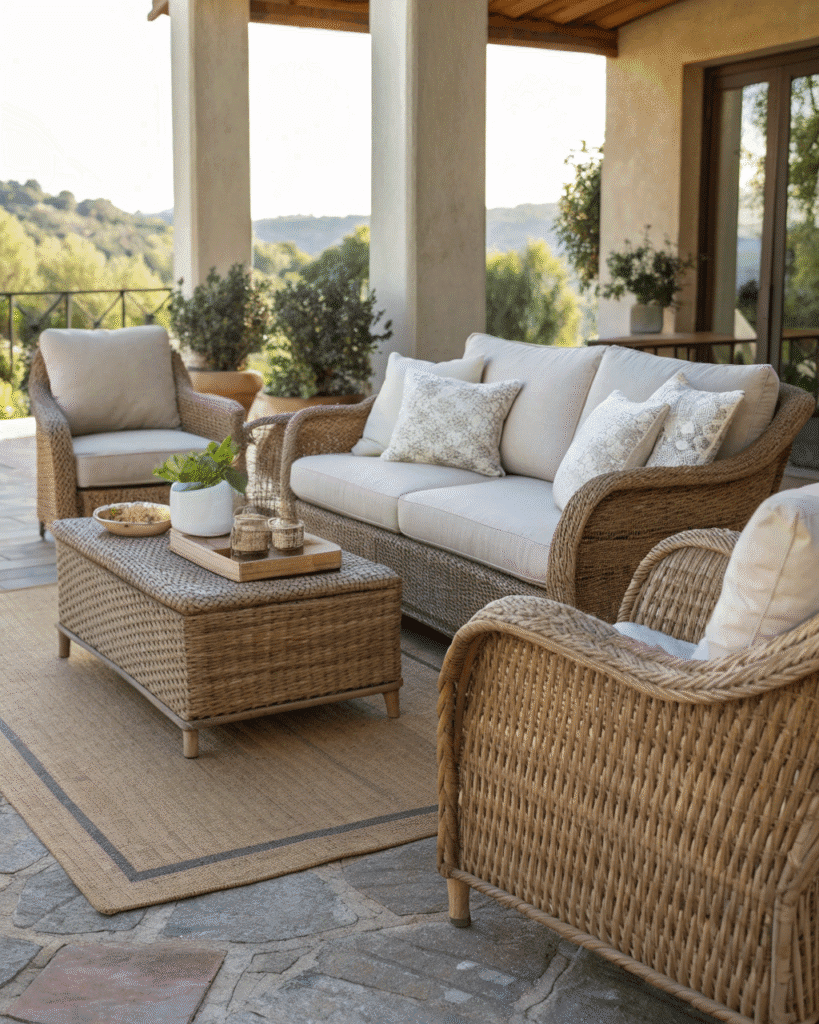
Wicker furniture adds warmth and texture to your patio while staying durable.
Pro Tip: Use neutral cushions and layer with patterned pillows for a cozy finish.
2. Teak Dining Table
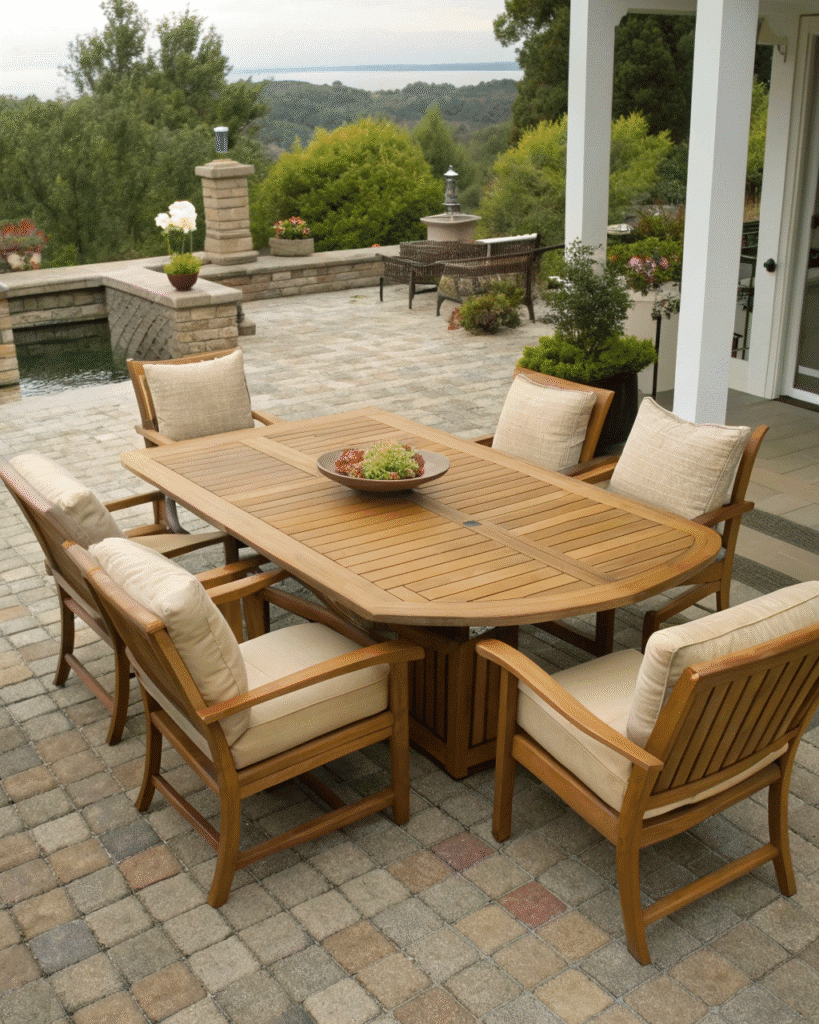
A teak table offers timeless style and strength, perfect for outdoor dining.
Pro Tip: Treat it with teak oil yearly to maintain its golden hue and durability.
3. Modular Sectional Sofa
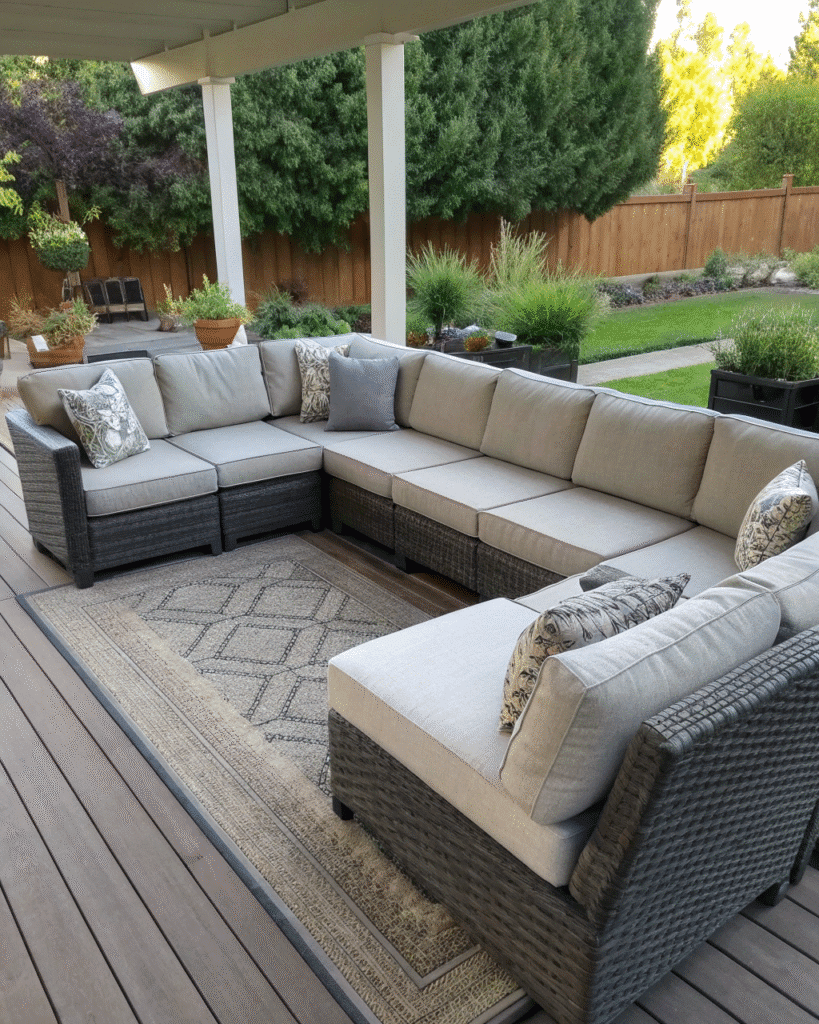
A sectional sofa provides flexibility for both lounging and entertaining.
Pro Tip: Rearrange the sections seasonally to refresh your patio layout.
4. Bistro Set
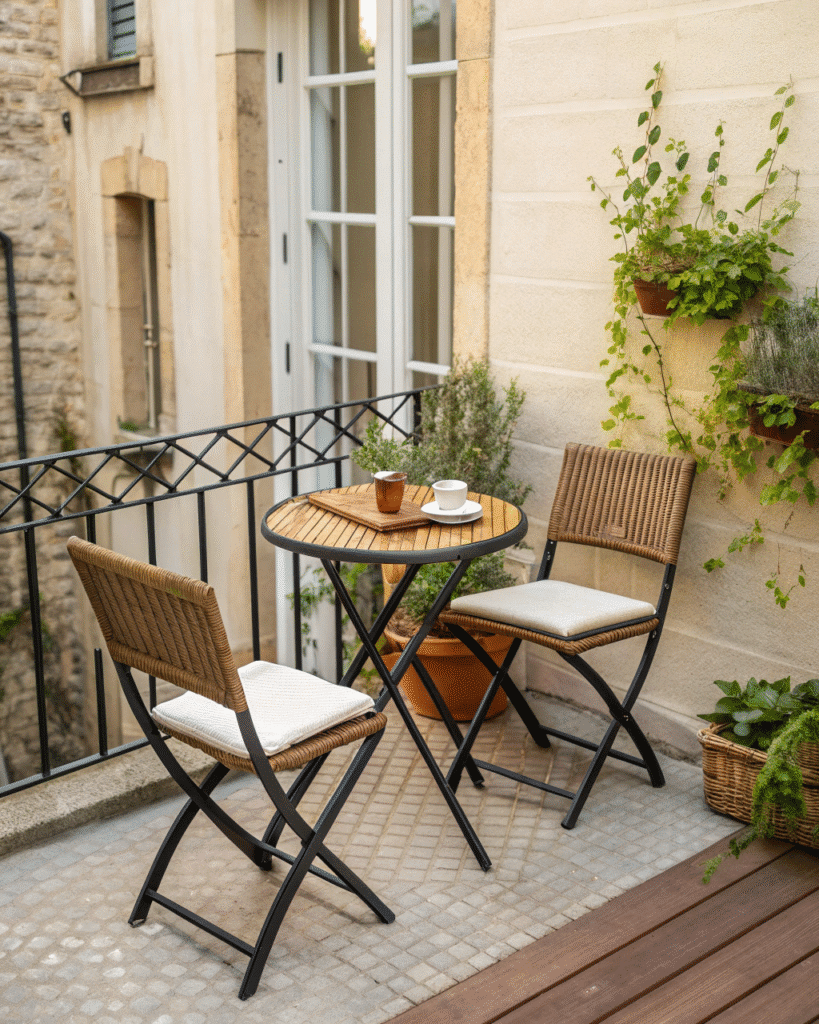
Compact and charming, a bistro set is ideal for small patios or balconies.
Pro Tip: Choose foldable chairs to save space when not in use.
5. Hanging Egg Chair
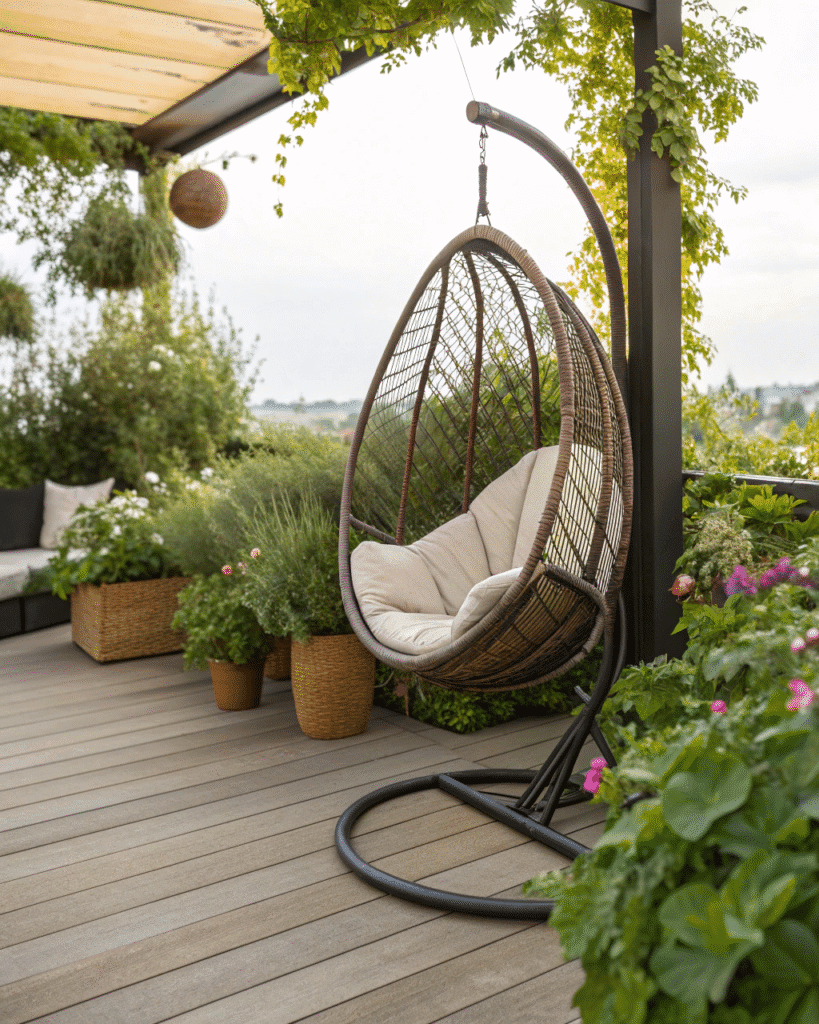
A hanging egg chair creates a cozy corner for reading or relaxing.
Pro Tip: Add a soft cushion and small side table for a complete nook setup.
6. Adirondack Chairs
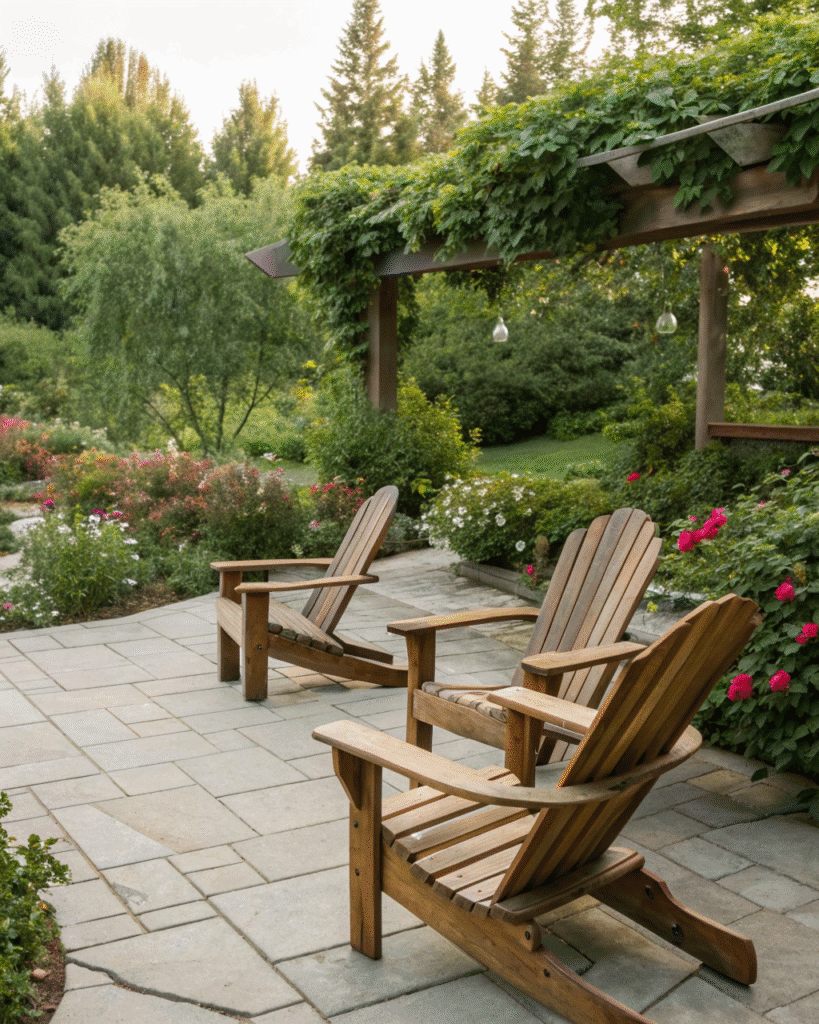
These classic chairs bring rustic comfort and a laid-back vibe to any patio.
Pro Tip: Paint them in soft colors like sage, white, or navy for a fresh seasonal look.
7. Metal Bistro Bench
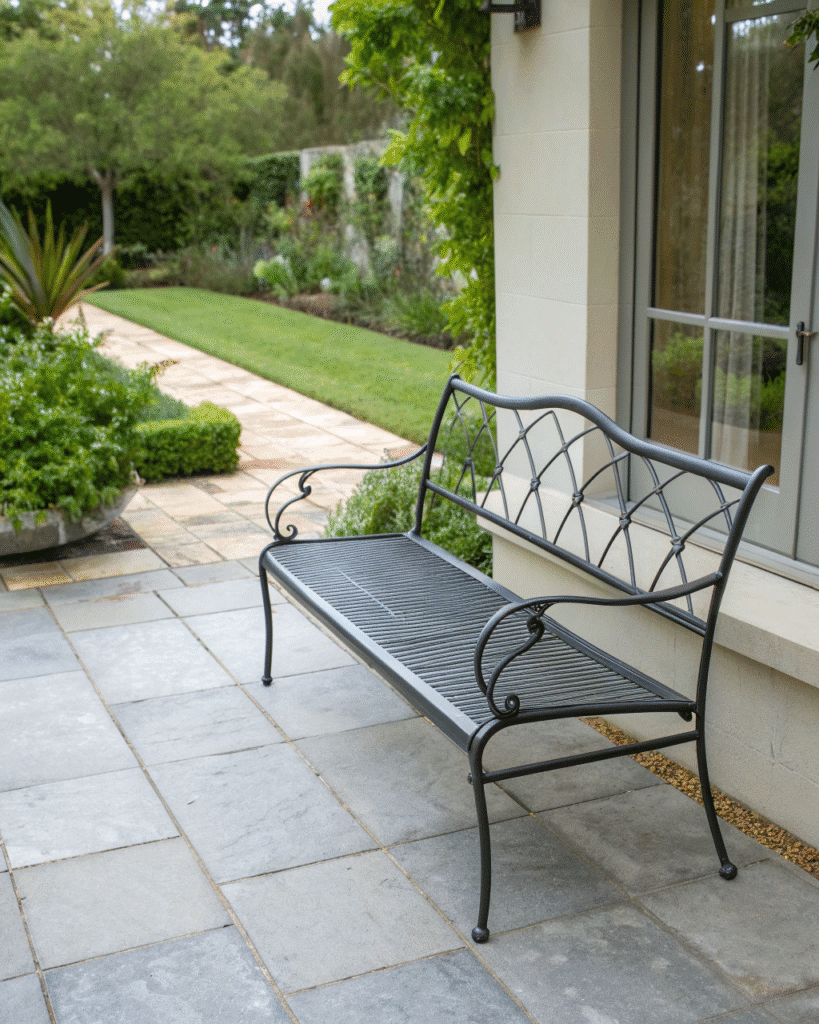
A sleek metal bench adds modern simplicity while being easy to maintain.
Pro Tip: Add a couple of small throw pillows to balance comfort with style.
8. Outdoor Daybed
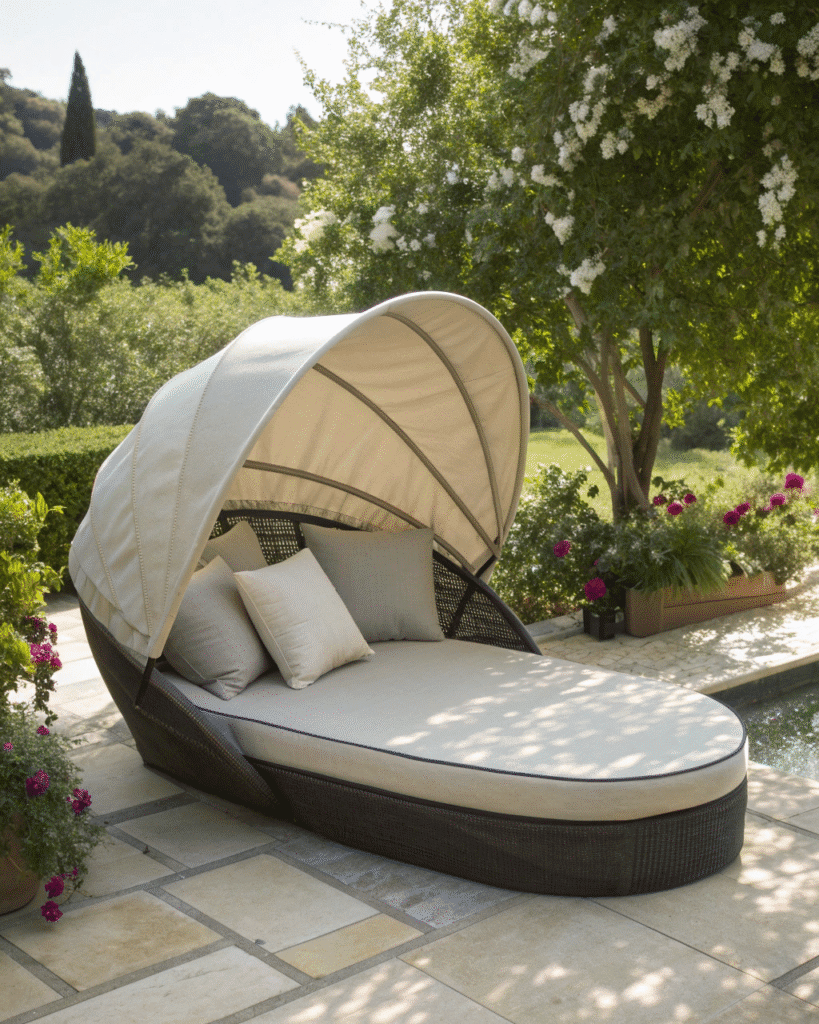
A daybed combines lounging comfort with resort-style elegance.
Pro Tip: Choose one with a canopy or curtains for shade and privacy.
9. Rattan Coffee Table
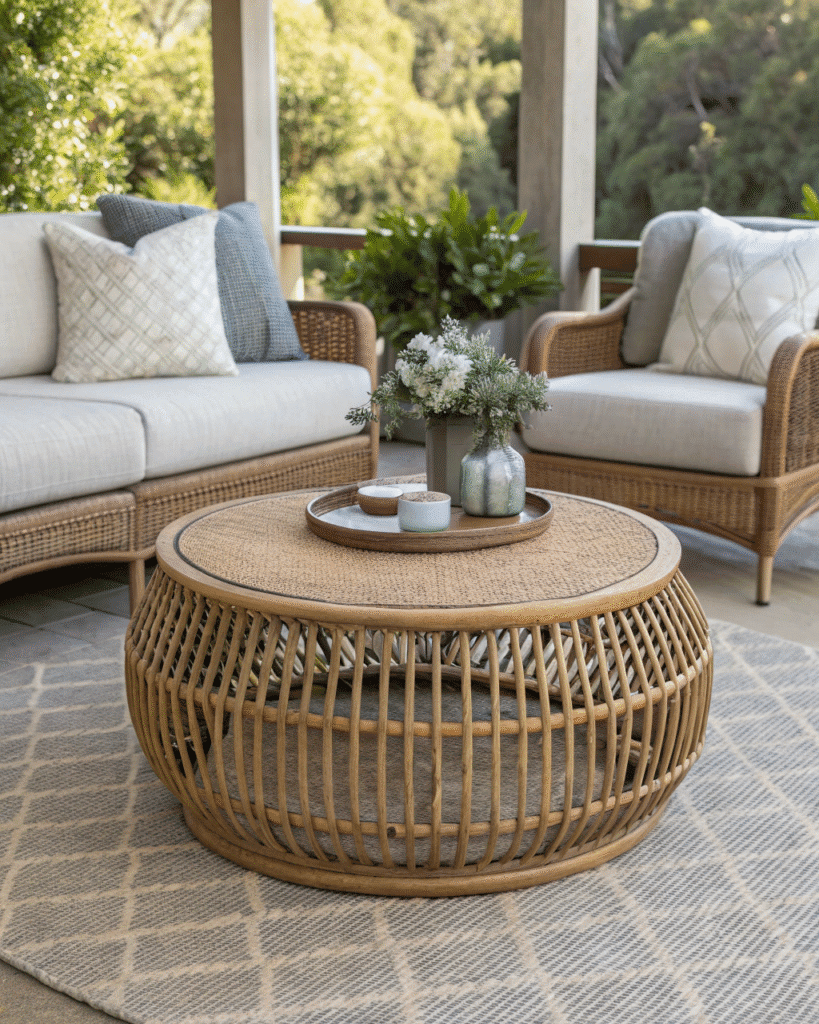
A rattan table introduces natural charm and texture to your setup.
Pro Tip: Place a tray on top for stability and easy serving during gatherings.
10. Dining Set with Cushioned Chairs
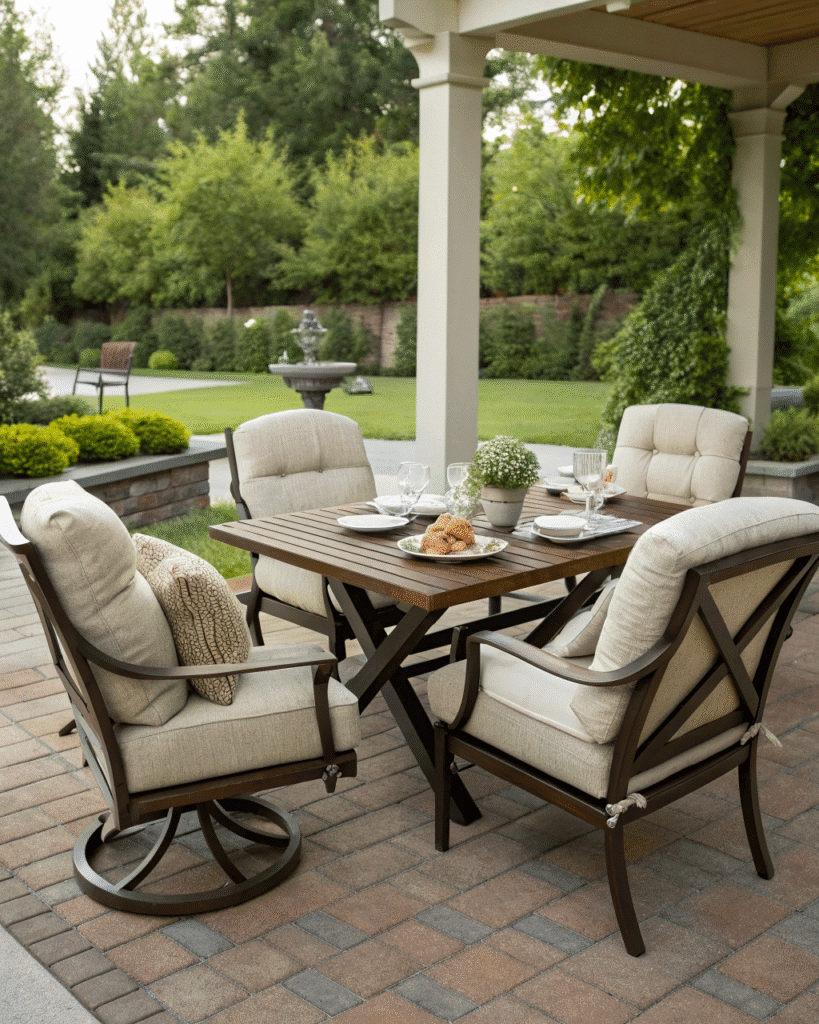
A cushioned dining set encourages long, comfortable meals outdoors.
Pro Tip: Use waterproof covers to protect cushions during unpredictable weather.
11. Hammock Chair Swing
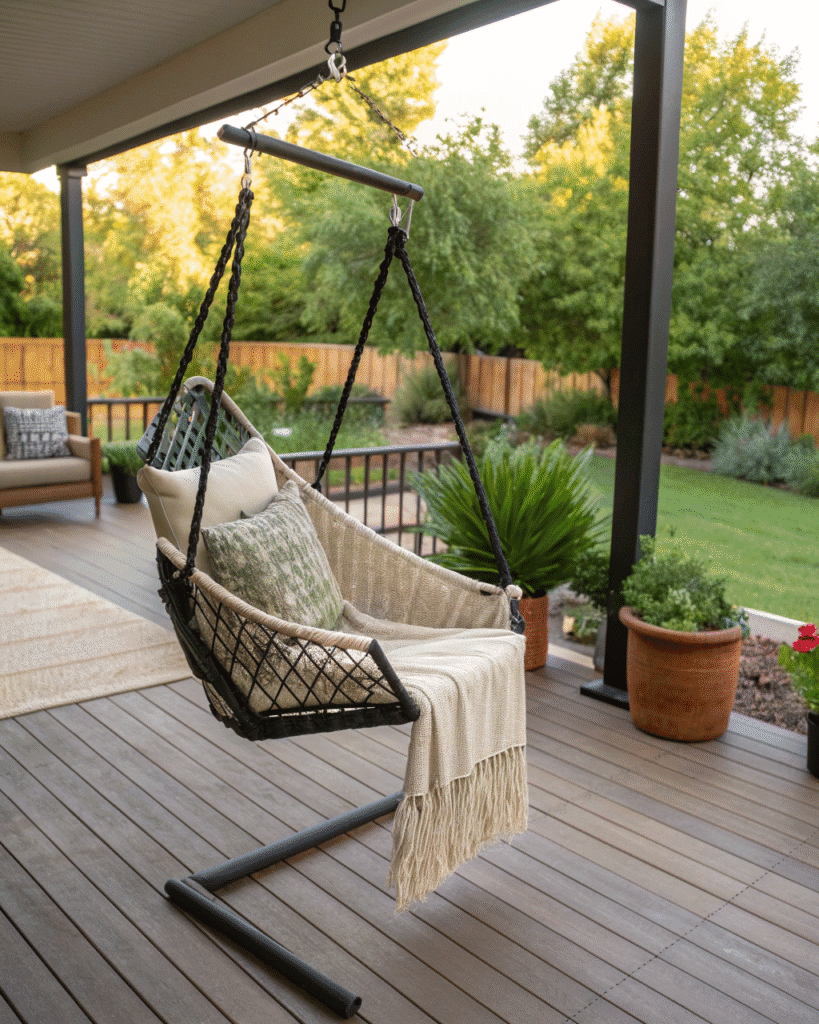
A hammock-style chair adds movement and comfort in smaller spaces.
Pro Tip: Hang it from a sturdy beam or stand for both safety and flexibility.
12. Concrete Accent Table
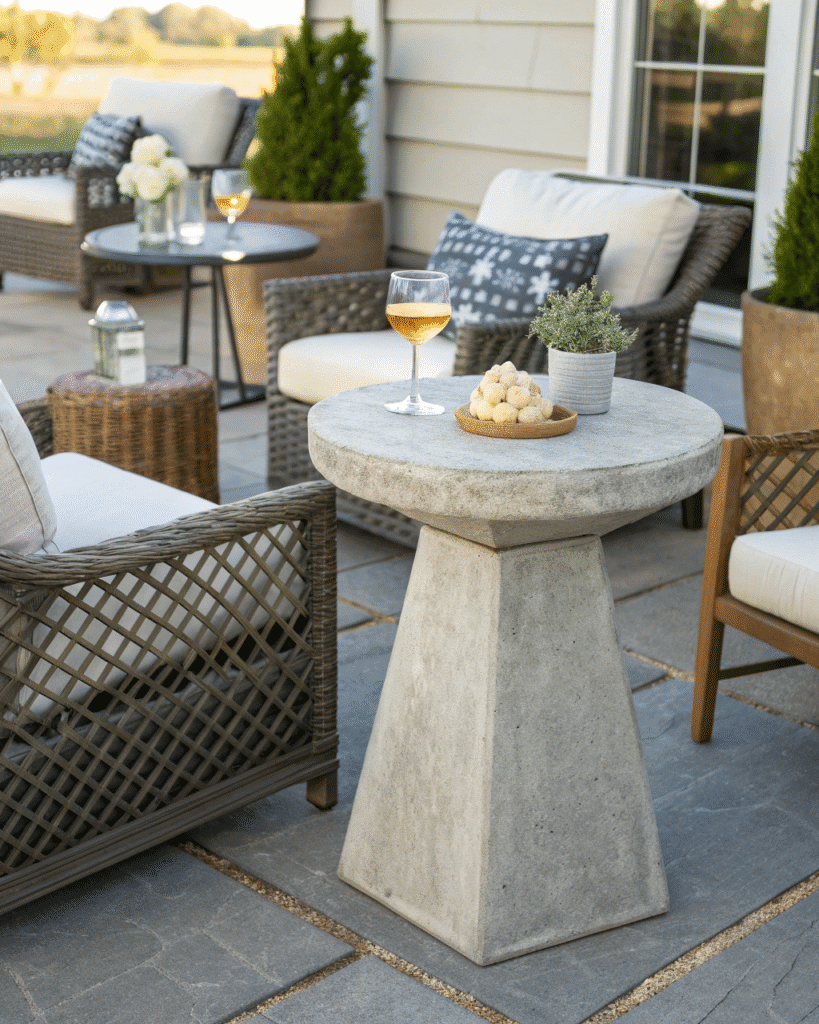
Concrete tables add a cool, modern element that balances soft furnishings.
Pro Tip: Pair them with wooden or woven textures for a harmonious contrast.
13. Fire Pit Seating Set
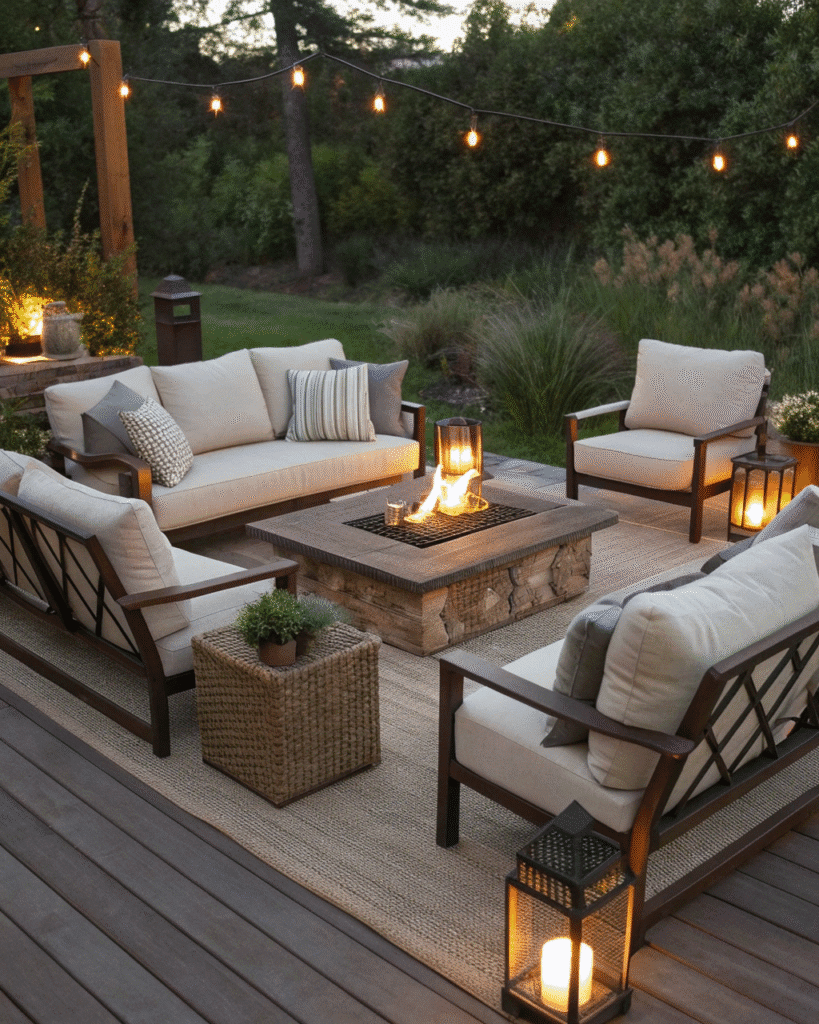
Arrange seating around a fire pit for warmth and conversation-friendly comfort.
Pro Tip: Choose curved furniture for a balanced layout that feels connected.
14. Folding Lounge Chairs
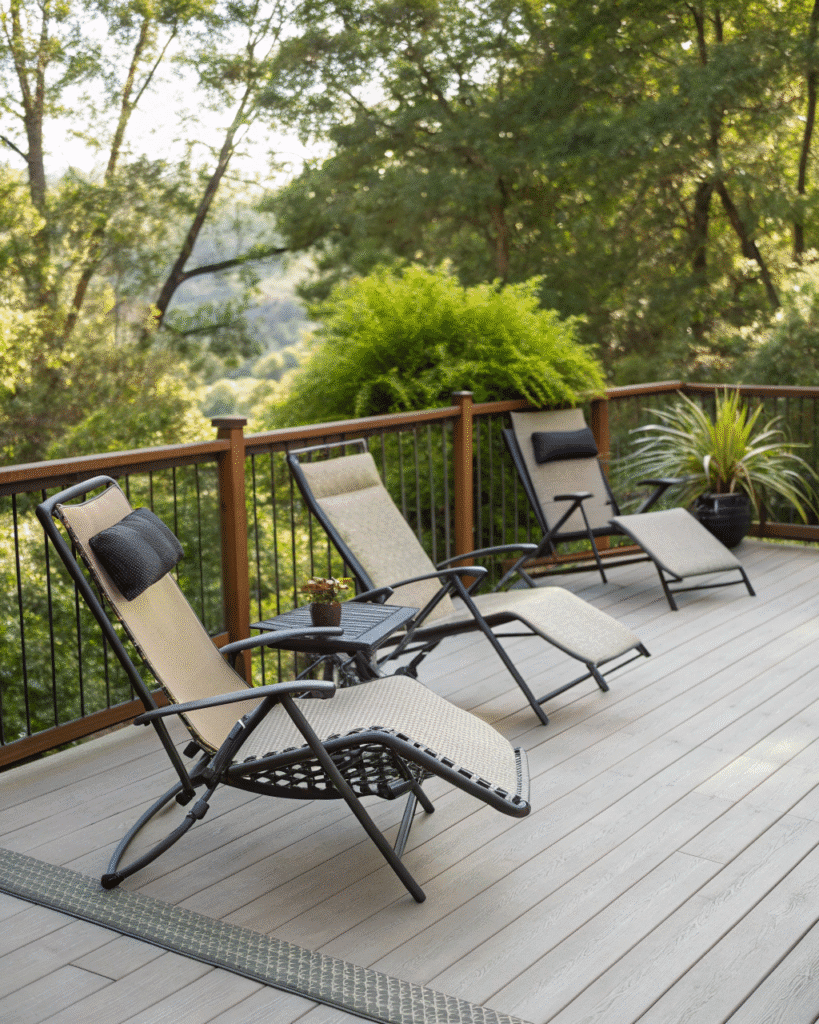
Perfect for sunbathing or relaxing, folding chairs are easy to move and store.
Pro Tip: Choose adjustable backrests for added flexibility and comfort.
15. Mixed Material Furniture
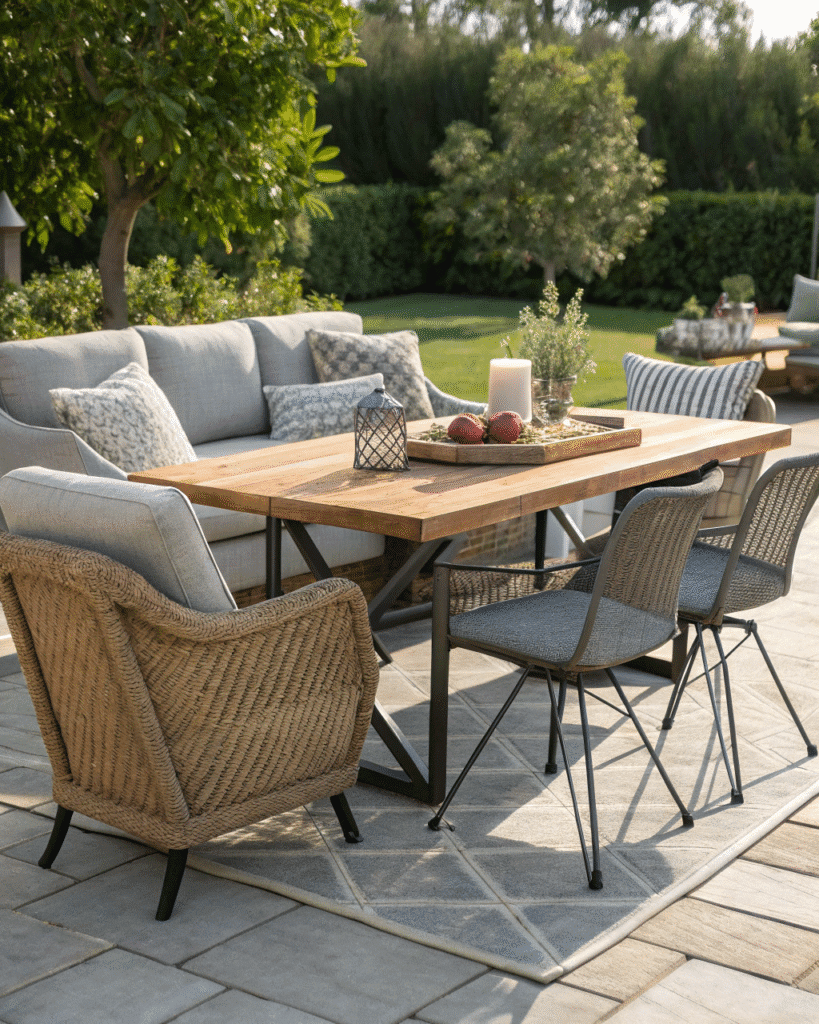
Combine metal, wood, and fabric for an eclectic yet cohesive outdoor style.
Pro Tip: Keep colors soft and natural to maintain a relaxed, inviting atmosphere.
Final Thoughts
Great patio furniture is not about spending the most money. It is about choosing the right pieces for the way you actually use your outdoor space, in materials that hold up to your climate without demanding more maintenance than you are realistically going to provide, arranged in a way that makes the patio feel genuinely inviting rather than just furnished.
Start with your primary use case, measure carefully, choose materials honestly, and buy the best quality you can afford within your budget. The right patio furniture will reward every one of those decisions every single time you step outside and find a space that is exactly what you wanted it to be.
Frequently Asked Questions
What patio furniture material lasts the longest outdoors?
Teak, powder-coated aluminum, and HDPE recycled plastic are the three most durable outdoor furniture materials for long-term outdoor use. Teak lasts decades with minimal maintenance. Powder-coated aluminum is essentially rustproof and requires no upkeep. HDPE plastic is impervious to moisture, insects, and UV and typically comes with long manufacturer warranties. For a permanent outdoor installation in any climate, any of these three materials will outlast virtually all alternatives.
How do I protect patio furniture through winter?
The best protection for patio furniture in winter is to store it indoors in a garage, shed, or basement. If indoor storage is not possible, invest in quality outdoor furniture covers made from a breathable waterproof fabric that keeps moisture out while allowing some air circulation to prevent condensation buildup. Store cushions indoors regardless of the furniture material as cushion fabric deteriorates much faster from winter weather exposure than any of the primary furniture frame materials.
What size patio furniture do I need for my space?
For a standard rectangular patio, a lounge set of one sofa and two chairs needs a minimum clear area of approximately ten by twelve feet to allow comfortable circulation around the arrangement. A standard four-person dining set needs a minimum clear area of approximately eight by ten feet. For larger groups or configurations, scale up proportionally and always leave at least three feet of clear walking space around every furniture arrangement.
How do I clean outdoor patio furniture?
Most outdoor furniture materials clean effectively with a solution of mild dish soap and warm water applied with a soft brush or cloth and rinsed thoroughly with clean water. Teak can be cleaned with a dedicated teak cleaner and a soft brush scrubbed along the grain. For mildew on cushions, a diluted white vinegar solution or a specialized outdoor fabric cleaner removes most mildew staining. Always allow furniture and cushions to dry completely in the sun after cleaning before replacing cushion covers or storing anything away.
Is it worth spending more on quality patio furniture?
In almost every case, yes. The price difference between budget and quality patio furniture is significant but the lifespan difference is even more significant. A cheap outdoor furniture set typically lasts two to four years before the frame corrodes, the weave deteriorates, or the cushion fabric fails beyond repair. A quality set in teak, aluminum, or resin wicker typically lasts ten to twenty years or more. The cost per year of use for quality furniture is almost always lower than for budget alternatives once the replacement cycle is factored in.