What Is a Patio? Everything You Need to Know Before You Build One
If you have ever stood in your backyard wondering whether to build a patio, extend one, or simply understand what separates a patio from a deck or a terrace, this is the guide for you.
A patio is one of the most valuable additions you can make to any home and one of the most misunderstood.
Here is everything you need to know before you plan, design, or build one.
The Simple Definition of a Patio
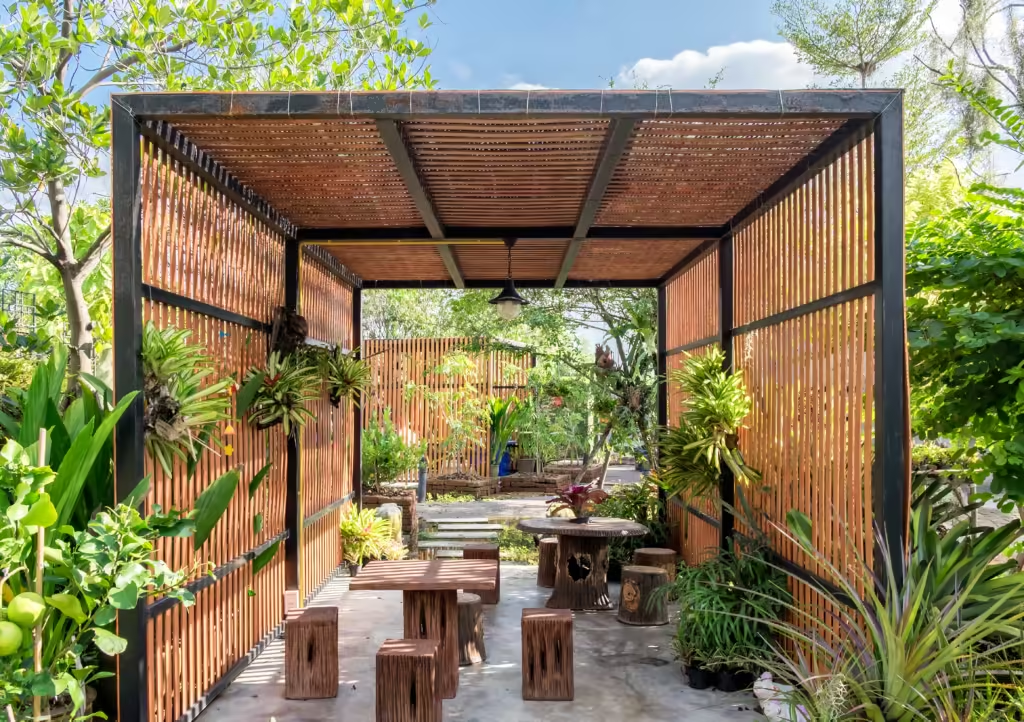
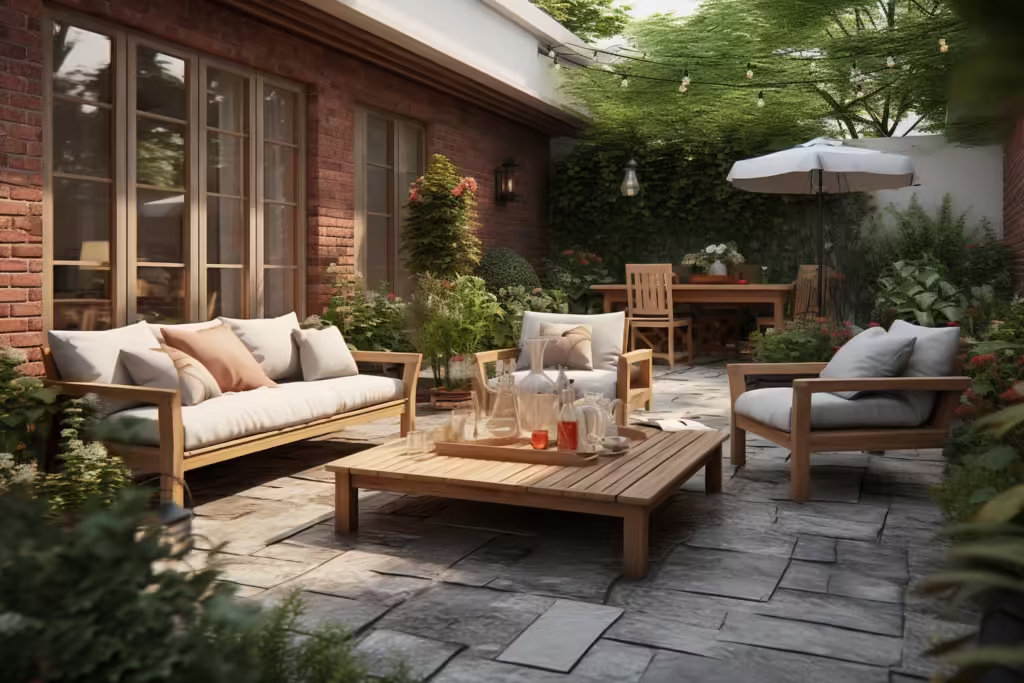
A patio is a paved or hard-surfaced outdoor living area at ground level, attached to or adjacent to a house, used for relaxing, dining, and entertaining. The word itself comes from Spanish, where patio originally referred to an inner courtyard open to the sky, typically enclosed within the walls of a house or building.
Love Chic Living Club?
Add us as one of your preferred Google sources and discover more home decor, DIY, outdoor, and lifestyle inspiration from us.
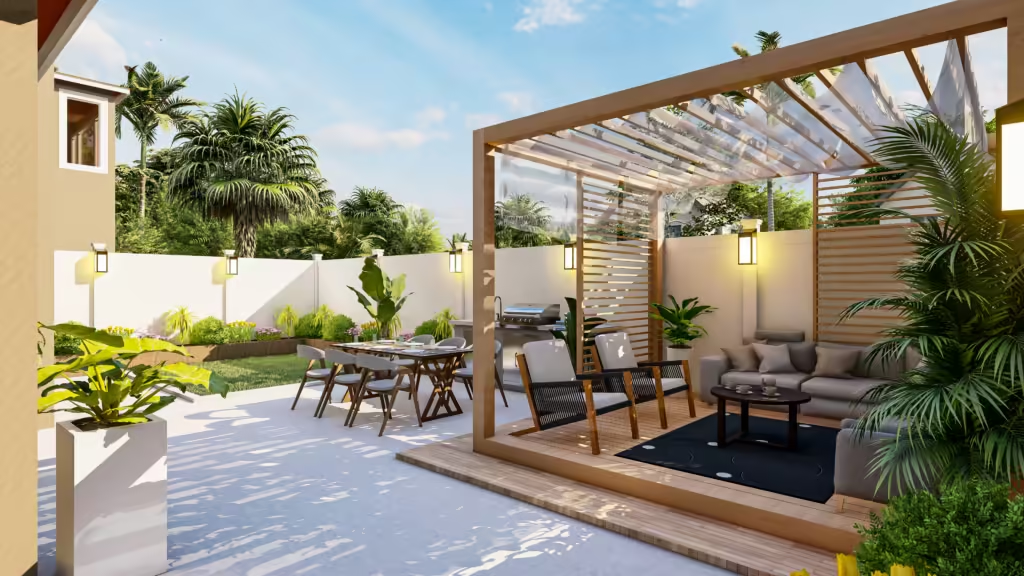
In modern American usage, a patio has come to mean any hard-surfaced outdoor space at ground level that functions as an extension of the indoor living area. It can be as simple as a concrete slab outside the back door or as elaborate as a fully designed outdoor room with multiple zones, built-in features, planting, lighting, and overhead structures.
The one consistent characteristic is that a patio sits at or very close to ground level and is built on a hard surface rather than raised on a frame. That ground-level, hard-surface quality is what technically distinguishes a patio from a deck, a balcony, or a raised terrace.
Patio vs Deck vs Terrace: What Is the Difference?
These three terms get used interchangeably all the time and the confusion is understandable. Here is the clear distinction between each one.
Patio
A patio is ground level and hard-surfaced. It sits directly on the ground, supported by the earth beneath it and a prepared sub-base of compacted gravel or sand. It is typically made from paving materials like concrete, brick, stone, tile, or gravel. Because it sits on the ground, a patio does not require the structural frame that a deck needs, which generally makes it less expensive to build for a given area.
Deck
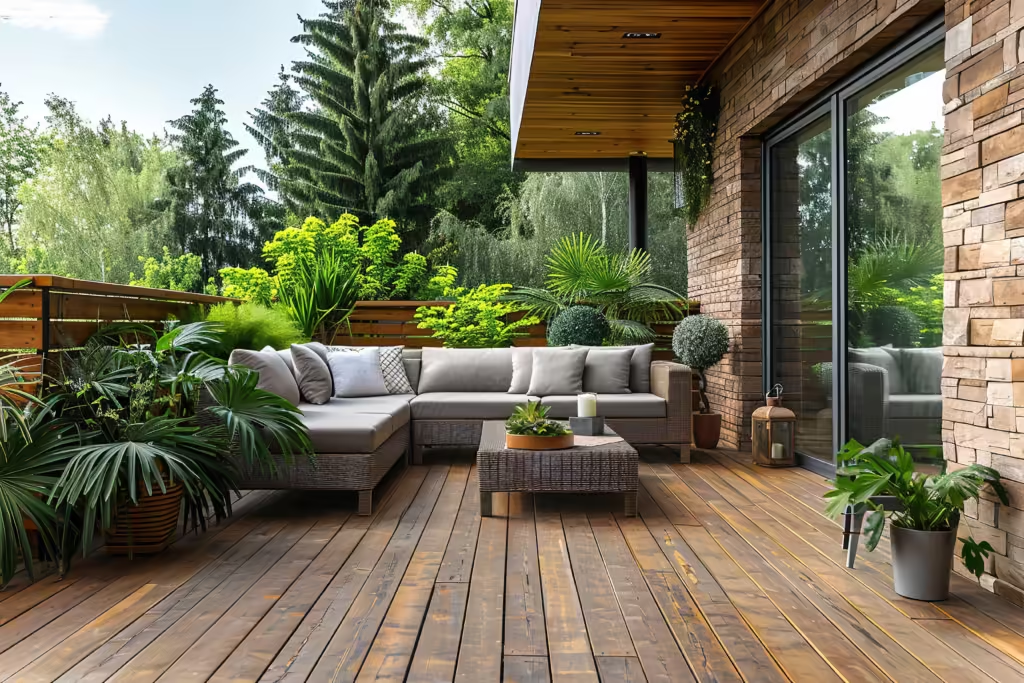
A deck is an elevated platform, typically made from timber or composite decking boards, supported by a frame of joists and posts anchored to the ground or the house structure. A deck is raised above grade, sometimes just a few inches and sometimes several feet, and is the appropriate solution for homes with a significant level change between the interior floor level and the ground outside. Because of its elevated structure, a deck requires engineering consideration for the frame and connections that a ground-level patio does not.
Terrace
A terrace is a flat, usable outdoor area created by cutting into or building up a slope. It typically refers to a level platform on a hillside or sloped site, retained by walls on one or more sides. A terrace can be paved like a patio or built with a deck surface, but the defining characteristic is that it sits on a deliberately created level area within a sloped landscape rather than on naturally flat ground.
In practice, the terms patio, deck, and terrace often overlap in casual conversation and the distinctions matter less in daily use than they do in technical planning and construction contexts.
What Is a Patio Used For?
A patio is one of the most versatile spaces in or around any home. Its uses are as varied as the people who build them.
Outdoor Dining
The most common use of a patio is as an outdoor dining space. A table, a set of chairs, and easy access to the kitchen is the classic patio setup that suits almost every household. Eating outside, even occasionally, changes the quality of daily life in a way that is hard to explain until you experience it regularly. A patio that makes outdoor dining easy and comfortable is one of the highest-return investments in any home.
Relaxing and Lounging
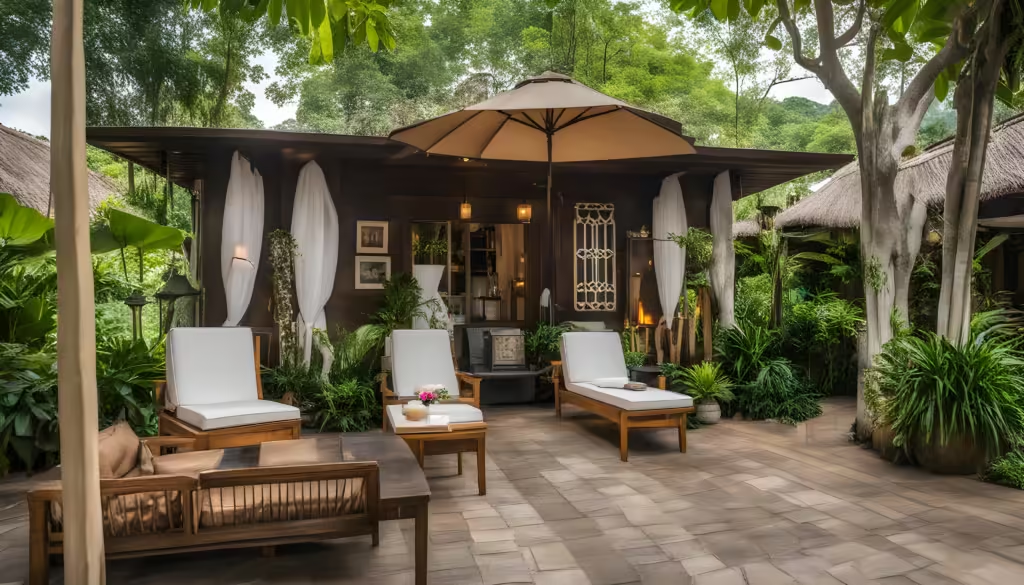
A patio with a comfortable sofa, a couple of chairs, a side table, and good lighting functions as an outdoor living room. This is the space where you sit with a coffee in the morning, read in the afternoon, and wind down in the evening. A lounge patio does not need to be large. Some of the most well-used and well-loved patio spaces are compact, intimate, and deeply comfortable.
Entertaining and Hosting
A patio is the natural setting for outdoor entertaining. A fire pit that draws people outside on cool evenings, an outdoor kitchen that keeps the host connected to the party, a generous dining table for summer gatherings, or simply a well-arranged seating area that encourages conversation. A patio designed with entertaining in mind becomes the social heart of the home during the warmer months and often well beyond them.
Cooking and Grilling
Many patios are built specifically around outdoor cooking, whether that means a simple space for a portable grill or a fully equipped outdoor kitchen with a built-in grill, a sink, a refrigerator, and counter space. Cooking outdoors keeps heat, smoke, and cooking smells outside the house and creates a social cooking experience that kitchen cooking rarely matches.
A Private Garden Retreat
Not every patio is designed for groups. A smaller patio in a sheltered corner of the garden, with planting for privacy and a single comfortable chair, creates a private retreat that serves an entirely different purpose from an entertaining space. A garden retreat patio is about quiet, personal enjoyment of the outdoor space rather than social use.
Play and Family Use
For families with children, the patio often functions as the transition zone between the house and the garden, a hard surface where bikes are ridden, chalk art is created, water tables and sandpits are set up, and the mess of outdoor play happens without destroying the lawn. A family patio needs to be practical, easy to clean, and safe underfoot as much as it needs to be beautiful.
What Are the Different Types of Patio?
Patios come in many forms and understanding the different types helps you identify which approach is right for your home and outdoor space.
Attached Patio
The most common type. An attached patio sits directly adjacent to the house, typically accessed through a back door or sliding doors from the main living area. The physical and visual connection to the house is the defining characteristic and the reason most homeowners choose this type. An attached patio feels like a natural extension of the indoor space and benefits from the shelter that the house wall provides on at least one side.
Detached Patio
A detached patio is located away from the house, out in the garden, sometimes at the end of a path or at the base of a slope. It functions as a destination space rather than an extension of the house and has a different, more independent character. A detached patio is ideal as a secondary outdoor space, a quiet retreat separate from the main entertaining area, or as a way to take advantage of a particularly good view or sun position that the house itself does not offer.
Courtyard Patio
A courtyard patio is enclosed on three or four sides by walls, fences, or the walls of the building itself. The enclosure creates a sense of privacy and intimacy that open patios lack and also provides shelter from wind that can make open patios uncomfortable. Courtyard patios are particularly common in urban homes and townhouses where space is limited and privacy from neighbors is a priority.
Rooftop Patio
A rooftop patio is built on the flat roof of a building, creating an outdoor space where no ground-level space exists. Rooftop patios require structural assessment of the roof before any load is placed on them and typically need lightweight furniture, careful drainage management, and good wind screening given their exposed position. The reward for solving these challenges is usually spectacular views and a level of privacy that ground-level spaces cannot offer.
Front Patio
A front patio is located at the front of the house rather than the back, typically between the house and the street. Front patios are less common in the US than in many European countries but are an excellent way to create a welcoming outdoor space that engages with the street and neighborhood. They require more thought about privacy and visual design since they are publicly visible, but done well they add enormous curb appeal and a genuinely distinctive character to the home.
Pool Patio
A pool patio is the hard-surfaced area surrounding a swimming pool, typically called a pool deck in the US. This is a specialized patio type that prioritizes slip resistance, heat reflection, comfort underfoot in bare feet, and resistance to pool chemicals in the material choice. Natural stone, textured concrete, and porcelain pavers are all popular choices for pool patios.
What Materials Are Used to Build a Patio?
The material you build a patio from has more impact on its appearance, character, and long-term performance than almost any other decision. Here is a thorough overview of the most widely used patio materials.
Concrete
Poured concrete is the most common patio material in the US and for good reason. It is affordable, durable, widely available, and can be finished in a variety of ways to suit different aesthetics. Plain brushed concrete is the most basic and practical option. Stamped concrete replicates the appearance of stone, brick, or tile at lower cost. Exposed aggregate concrete has a textured, natural-looking finish. Stained or colored concrete introduces color and variation. A concrete patio properly installed on a well-prepared sub-base will last for decades with minimal maintenance.
Brick
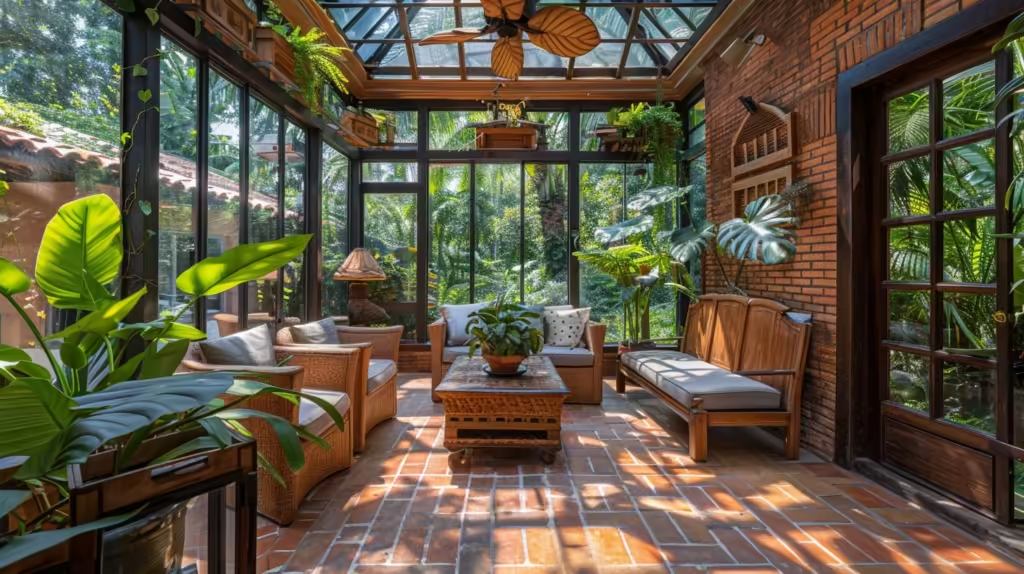
Brick paving brings warmth, character, and a timeless quality to a patio that few materials match. Clay brick pavers are the correct choice for outdoor paving, denser and more durable than standard wall bricks. Brick suits traditional, cottage, colonial, and farmhouse home styles beautifully and ages wonderfully, developing a patina that improves its appearance over time. It is available in a wide range of colors and can be laid in numerous patterns including herringbone, basketweave, and running bond.
Natural Stone
Natural stone including limestone, sandstone, slate, granite, and bluestone is the most beautiful and most premium patio material available. Each stone has a depth of color, texture, and character that no manufactured material replicates. Natural stone is the most expensive patio material but also the most enduring, with properly laid stone patios lasting for generations. It suits virtually every garden style and weathers beautifully over time.
Porcelain Pavers
Large format porcelain pavers have become enormously popular for patios over the past decade. They are virtually frost-proof, highly stain-resistant, easy to maintain, and available in a huge range of finishes that convincingly replicate stone, timber, and concrete. Porcelain suits contemporary and modern home styles particularly well and is a practical choice for any climate.
Gravel
Gravel is the most affordable patio surface and one of the most versatile. It drains naturally, requires minimal sub-base preparation, and is available in a range of grades and colors that suit everything from a formal garden to a relaxed naturalistic setting. A well-edged gravel patio with a landscape fabric sub-layer is surprisingly low maintenance and looks genuinely beautiful.
Tile
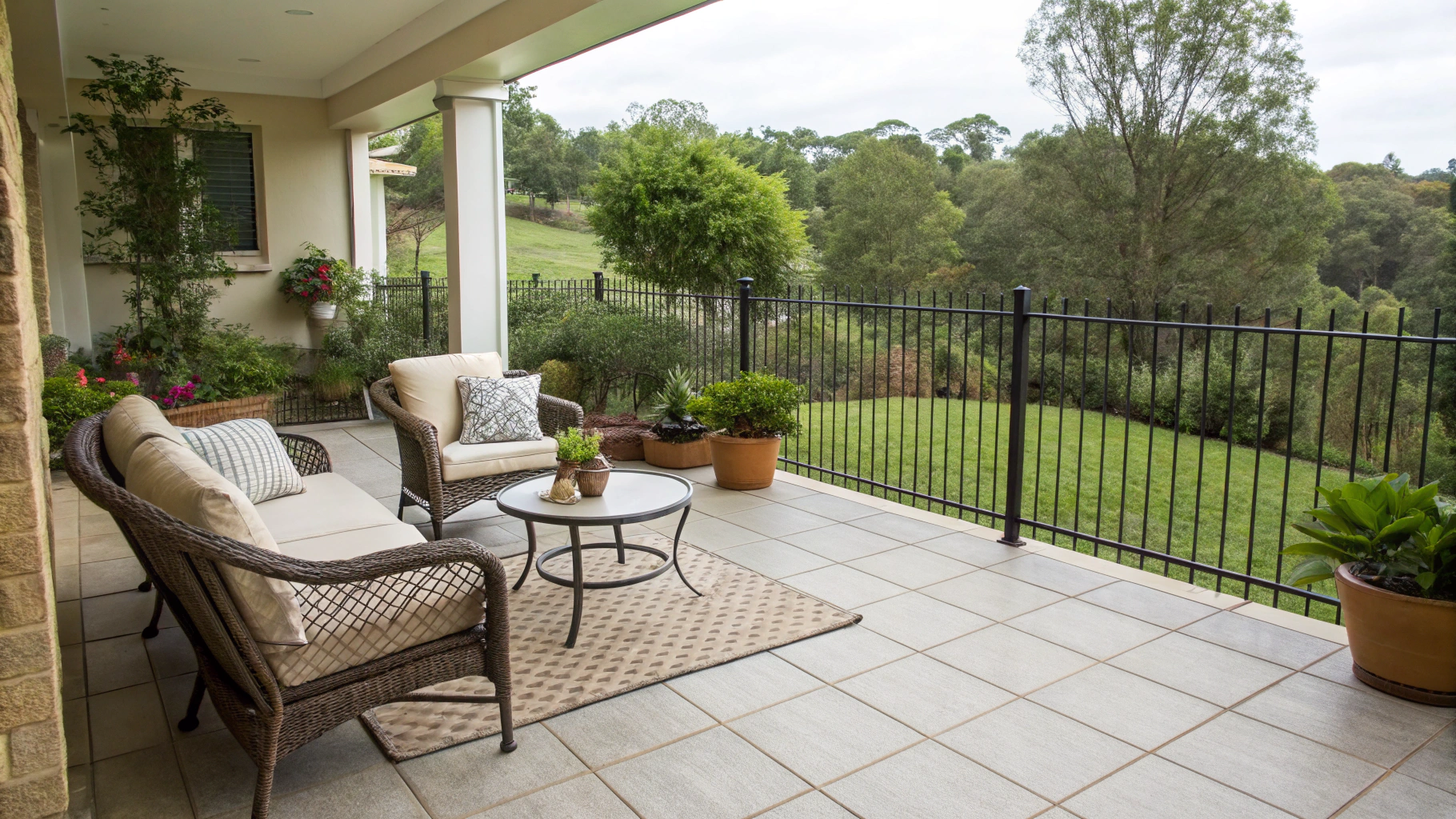
Outdoor tiles in porcelain, ceramic, or natural stone bring a clean, finished quality to a patio surface. They are available in an enormous range of colors, sizes, and finishes and suit both contemporary and Mediterranean home styles well. Tile requires a solid, level base and appropriate adhesive and grout for outdoor use. Slip resistance is an important consideration as some tile finishes can be extremely slippery when wet.
Composite and Timber Decking
While technically a deck surface rather than a patio material, composite and timber decking is frequently used at ground level as a patio surface. It brings warmth and a natural quality to the outdoor space and is particularly useful for creating a surface over an existing concrete slab or in situations where a lighter-weight surface is needed.
How Much Does a Patio Cost?
Patio costs vary enormously depending on size, materials, complexity, and local labor rates. Here is a realistic overview of what to expect at different levels.
Basic Patio
A simple poured concrete patio or basic concrete paver patio of around 200 square feet, professionally installed on a well-prepared sub-base, typically costs between two thousand and five thousand dollars in most US markets. This covers materials, sub-base preparation, and basic installation with no special features.
Mid-Range Patio
A mid-range patio in brick, natural stone, or large format porcelain with a basic edging and drainage system, professionally installed at around 300 square feet, typically falls in the range of eight thousand to twenty thousand dollars depending on material choice and local labor rates.
Premium Patio
A premium patio in high-end natural stone with built-in features like a fire pit, knee walls, outdoor kitchen, lighting, and professional planting can easily reach fifty thousand dollars or more for a large, fully specified installation. The materials, the engineering, and the level of custom work all contribute to the cost at this level.
DIY Cost Savings
A competent DIYer can save significantly on labor costs for a straightforward patio project. The sub-base preparation, leveling, and laying of a basic concrete paver or brick patio are all achievable with the right tools, good preparation, and some research. The savings on labor for a 200 square foot patio can be anywhere from one thousand to four thousand dollars depending on local rates.
What Makes a Good Patio?
Understanding what separates a great patio from a mediocre one helps you make better decisions at every stage of the planning and building process.
It Suits the House
A patio that relates to the architecture, materials, and scale of the house looks like it was always meant to be there. A patio that ignores or clashes with the house looks like an afterthought regardless of the quality of its materials. Matching or complementing the exterior materials of the house in the patio paving, walls, and structures is the single most important design principle in patio design.
It Is Sized Correctly
Too small and the patio feels cramped and unusable for its intended purpose. Too large and it feels empty and disconnected. The right size is determined by how you plan to use the space and how many people it needs to accommodate comfortably. A dining patio for four needs a minimum of about 12 by 12 feet. A patio that combines dining and lounging for a family needs at least 15 by 20 feet to feel generous rather than squeezed.
It Has Good Drainage
A patio that pools with water after rain is an unpleasant and ultimately impractical space. All patio surfaces must be laid with a slight fall away from the house, typically 1 in 80, to direct surface water away from foundations and toward a drainage point. Planning drainage from the very beginning is far easier and less expensive than trying to fix drainage problems after the patio is built.
It Is Properly Lit
A patio without lighting is one that gets abandoned when the sun goes down. Even a simple lighting scheme of string lights overhead, a couple of path lights at the edges, and a lantern on the table extends the usable hours of the patio significantly and transforms its atmosphere after dark. Lighting is one of the very highest-return investments in any patio and one of the most overlooked.
It Connects Well to the House
A patio that flows naturally from the interior of the house, through wide doors, at the same or very similar floor level, with materials that complement the indoor flooring, feels like a genuine extension of the living space. A patio that requires stepping over an awkward threshold, navigating a narrow door, or crossing a different material zone feels separate and disconnected and will always be used less than one that invites you straight out.
It Has Planting
A patio without any planting feels like a car park. Even the smallest amount of greenery, a couple of large pots, a wall-mounted planter, a raised bed at one edge, transforms the atmosphere of a hard-surfaced outdoor space completely. Planting softens the hardscape, adds color and seasonal change, and makes the space feel like a garden rather than just a paved area.
How Long Does a Patio Last?
With proper installation and reasonable maintenance, a patio should last for many decades. Here is what to expect from different materials over time.
Natural stone patios, properly laid on a well-prepared sub-base, routinely last 50 years or more with minimal maintenance. Individual stones can be lifted and replaced if damaged without affecting the rest of the patio. Brick patios have a similar lifespan with the same repairability advantage. A well-laid brick patio can genuinely last a century or more given the evidence of historic brick paving that survives today.
Concrete patios have a typical lifespan of 25 to 50 years depending on the quality of installation, the local climate, and maintenance. Concrete is susceptible to cracking over time as the sub-base settles and as freeze-thaw cycling affects the slab. Regular sealing and prompt repair of cracks extends the life significantly.
Porcelain pavers are extremely durable and frost-resistant, with a realistic lifespan comparable to natural stone when properly installed. Gravel patios last indefinitely as a surface material since the gravel itself does not deteriorate, though they need occasional topping up as material migrates and compacts over time.
Do You Need Planning Permission for a Patio?
In most US states, a ground-level patio does not require a building permit provided it stays within your property boundaries and does not involve significant drainage alterations or structures. However, rules vary significantly by state and municipality and it is always worth checking with your local building department before starting any significant patio project.
Key situations that may trigger permit requirements include patios that are covered by a permanent roof structure, patios that involve retaining walls above a certain height, patios on properties governed by an HOA with its own rules about outdoor construction, and patios in areas with specific zoning restrictions. In all of these cases, a quick inquiry with your local building department before you start is far easier than dealing with compliance issues after the work is done.
Final Thoughts
A patio is one of the most universally valuable additions to any home. It extends your living space outdoors, creates a place for daily life to happen in the fresh air, and when designed thoughtfully, becomes one of the most used and most loved parts of the entire property.
Whether you are planning to build your first patio from scratch, extend an existing one, or simply understand what options are available to you, the fundamentals are straightforward.
Start with purpose, choose materials that suit your home and climate, get the drainage right from the beginning, and add lighting. Everything else can evolve from there.
FAQs
What is the difference between a patio and a garden?
A patio is a hard-surfaced outdoor living area, typically paved with stone, brick, concrete, or tile. A garden is a planted outdoor space with soil, grass, planting beds, and growing things. The two often coexist in the same outdoor space, with the patio providing the hard-surfaced living area and the garden surrounding it with planting and greenery.
Is a patio cheaper than a deck?
In most cases yes, particularly for larger areas. A ground-level patio requires a sub-base and paving materials but does not need the structural timber frame, joists, and hardware that a deck requires. For small areas or elevated situations where ground preparation is complex, costs can be similar. The material choice also matters significantly. A premium natural stone patio can cost more than a basic timber deck of the same size.
How long does it take to build a patio?
A professional team can typically install a straightforward patio of around 200 to 300 square feet in two to four days including sub-base preparation and paving. Larger or more complex patios with features like built-in walls, steps, drainage channels, and lighting take longer. DIY patios of the same size typically take two to four weekends depending on experience and available time.
What is the best patio surface for hot climates?
Light-colored materials that reflect rather than absorb heat are the best choice in hot climates. Pale limestone, cream porcelain, light concrete pavers, and buff sandstone all stay significantly cooler underfoot than dark materials like slate, charcoal brick, or dark composite decking which absorb heat and can become uncomfortably hot to walk on barefoot.
Can a patio add value to my home?
Yes. A well-designed and well-built patio adds measurable value to a property by increasing the effective living area, improving outdoor appeal, and creating a feature that buyers notice and respond to positively. Industry estimates suggest that a quality outdoor living space returns between 50 and 80 percent of its cost in added property value, making it one of the better home improvement investments available.
How do I maintain a patio?
Basic patio maintenance involves regular sweeping to remove debris, occasional washing down with a hose or pressure washer, prompt removal of weeds from joints, and reapplication of jointing sand or mortar pointing as needed. Natural stone and concrete benefit from periodic sealing to protect against staining and moisture penetration. Timber and composite decking surfaces need annual inspection and treatment or cleaning. Most patios require very little time to maintain if kept up regularly rather than left to deteriorate and then tackled in one major effort.