How to Design a Patio or Deck You Will Actually Use
A complete guide to creating an outdoor living space that works for everyday life, weekend entertaining, and every season in between.
KEY POINTS
- The difference between a patio that gets used and one that does not comes down to three things: comfort, shade, and how easy it is to spend time there without effort.
- Patio and deck design follows the same logic as interior design. Define the zones, choose the right surface, layer the lighting, and let the furniture and plants do the rest.
- Small patios and compact decks are not limitations. With the right decisions they often feel more intentional and more liveable than larger spaces that have been left underdeveloped.
A patio or deck is one of the most used spaces in a home during the warmer months, and one of the most neglected during the rest of the year. The reason is almost never the weather. It is that the space has not been designed to be genuinely comfortable, sheltered enough, or easy enough to use without setup and effort. The result is a slab of concrete or a timber deck with a table and a few chairs that mostly get rained on.
Love Chic Living Club?
Add us as one of your preferred Google sources and discover more home decor, DIY, outdoor, and lifestyle inspiration from us.
This guide covers the full process of creating a patio or deck that functions as a proper outdoor room, from choosing the right surface and structure to furniture, lighting, plants, and the styling details that make the difference between a space that looks nice in photographs and one that people actually choose to be in.
RELATED: 17+ Patio Remodel Ideas That Transform Outdoor Living
Patio or Deck: Understanding What You Are Working With
Before any design decision, it is worth being clear about what distinguishes a patio from a deck and what that means for the decisions ahead. A patio sits at ground level and is built on a hard surface, whether that is concrete, stone, pavers, or tile. A deck is an elevated platform, almost always built from timber or composite decking, that creates a raised outdoor floor connected to the house or positioned within the garden.
The choice between them, where you have one, comes down to the topography of your outdoor space, your budget, and the aesthetic you are working toward. A patio integrates more naturally with an existing garden and suits most flat or gently sloping plots. A deck creates a defined outdoor platform that is particularly effective for elevated views, sloping sites where a flat surface at ground level is not possible, or properties where you want a clear visual and physical connection between the inside of the house and the outside. If you are at the beginning of the process and not sure which direction to take, the guide to what a patio actually involves covers the practical and design considerations in full.
Choose the Right Surface
The surface of a patio or deck is the element that defines its character more than any other. It is the largest visible area, it sets the material tone for everything placed on top of it, and it is the most expensive and disruptive element to change once it is done. Getting this decision right before anything else is essential.
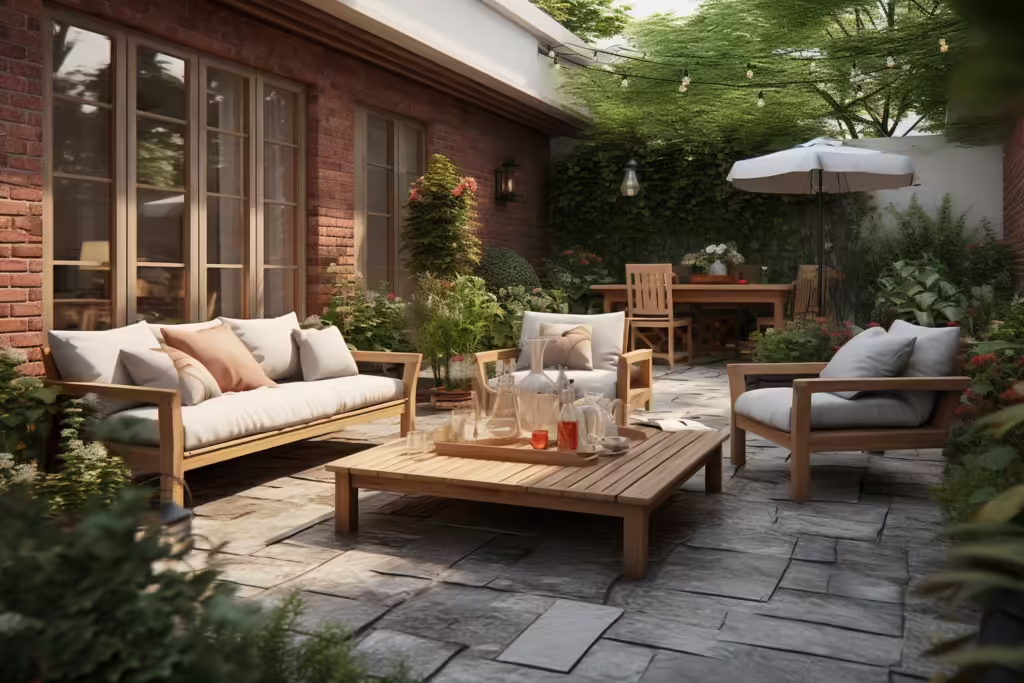
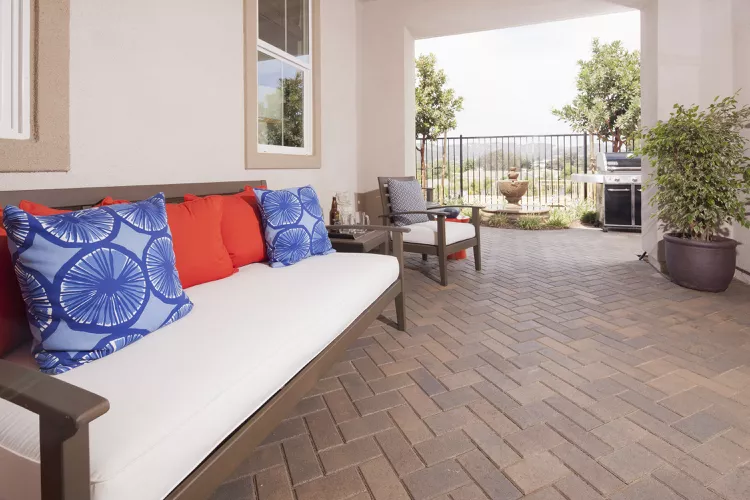
For patios, the most enduring surfaces are those that use materials with genuine warmth and character. Flagstone laid in natural irregular patterns has a handcrafted, organic quality that concrete and manufactured paving rarely achieve. Each piece is slightly different in colour and shape, which means the surface improves visually with age rather than showing every chip and stain. Paver patios offer more pattern flexibility and a more regular aesthetic that suits modern and contemporary homes particularly well. The pattern in which pavers are laid, whether that is running bond, herringbone, or a more complex geometric arrangement, does a surprising amount of work in defining the character of the space. Concrete is the most affordable option and, when finished with texture, aggregate, or stain, considerably more interesting than its basic form suggests.
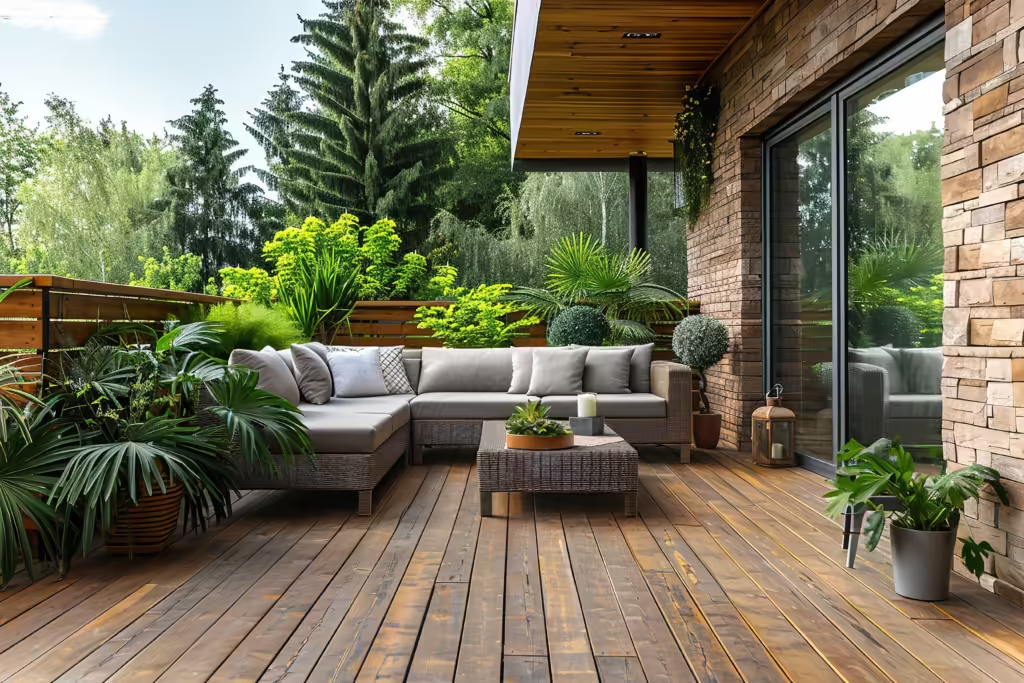
For decks, timber remains the most visually warm and characterful option. Hardwoods like ipe and teak are the most durable and require relatively little maintenance. Softwoods like pine are more affordable but need regular sealing and staining to hold up over time. Composite decking has improved enormously in quality and appearance over the past decade and now offers a genuinely attractive alternative to timber with almost no maintenance requirement. The deck flooring alternatives available today give you considerably more choice than the standard pressure-treated timber that most people default to.
RELATED: 16+ Beautiful Paver Patio Ideas with Patterns
Plan the Layout and Zones
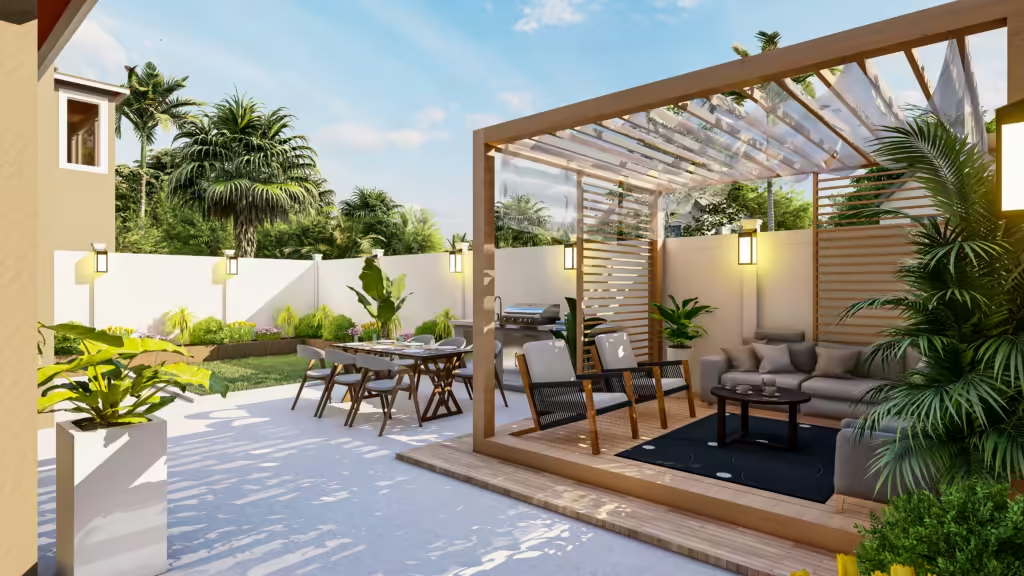
The most useful patios and decks are the ones that have been thought about as spaces with distinct purposes rather than one undifferentiated area with furniture arranged in it. A large outdoor space works best when it is divided into zones, a seating zone for relaxing, a dining zone for eating, perhaps a cooking zone if there is a grill or outdoor kitchen, and paths of circulation that connect them without requiring you to walk through one zone to access another.
Even a smaller patio benefits from this kind of thinking. A seating area defined by a rug, positioned slightly apart from a compact dining table, makes the space feel larger and more considered than a single arrangement that tries to serve every function at once.
The relationship between the house and the outdoor space matters enormously in planning the layout. The patio or deck that connects directly to the kitchen or living room through wide doors will be used far more than one that requires a trip through a utility room or around the side of the house. Where there is any choice about how the outdoor space is connected to the interior, prioritise the most direct and the widest possible transition between the two.
RELATED: 18+ Patio Remodel Ideas for Family Gatherings
Add Shade and Shelter
A patio or deck without shade is unusable for much of the day in summer and for most of the year in climates with unpredictable weather. Adding shelter is the single change that most dramatically increases how often an outdoor space is actually used, because comfort is the precondition for everything else.
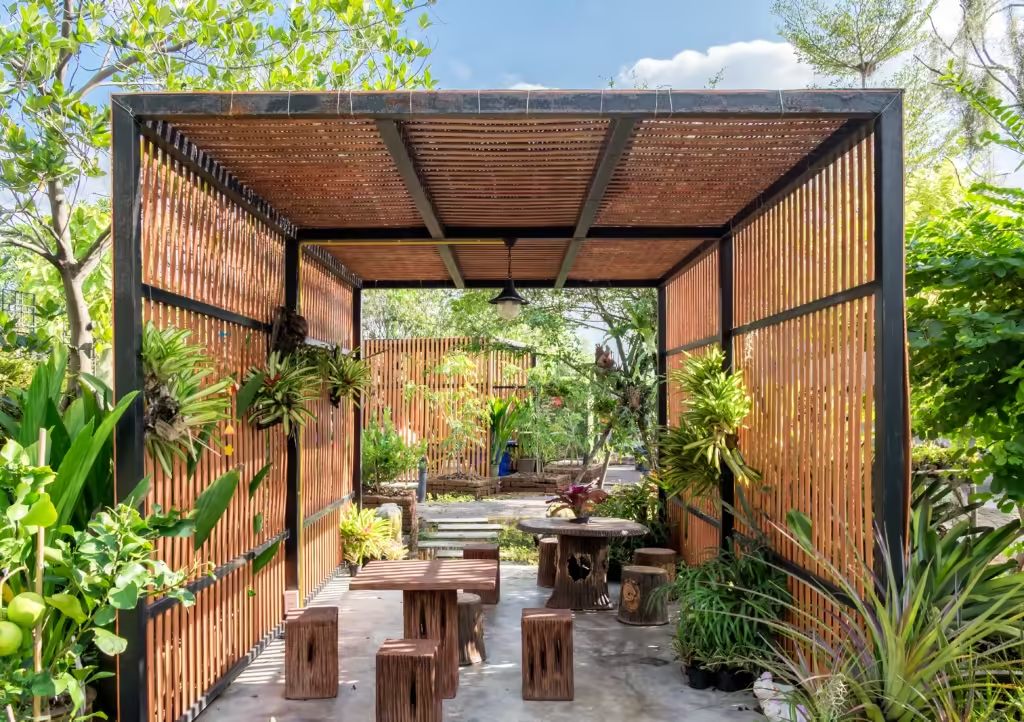
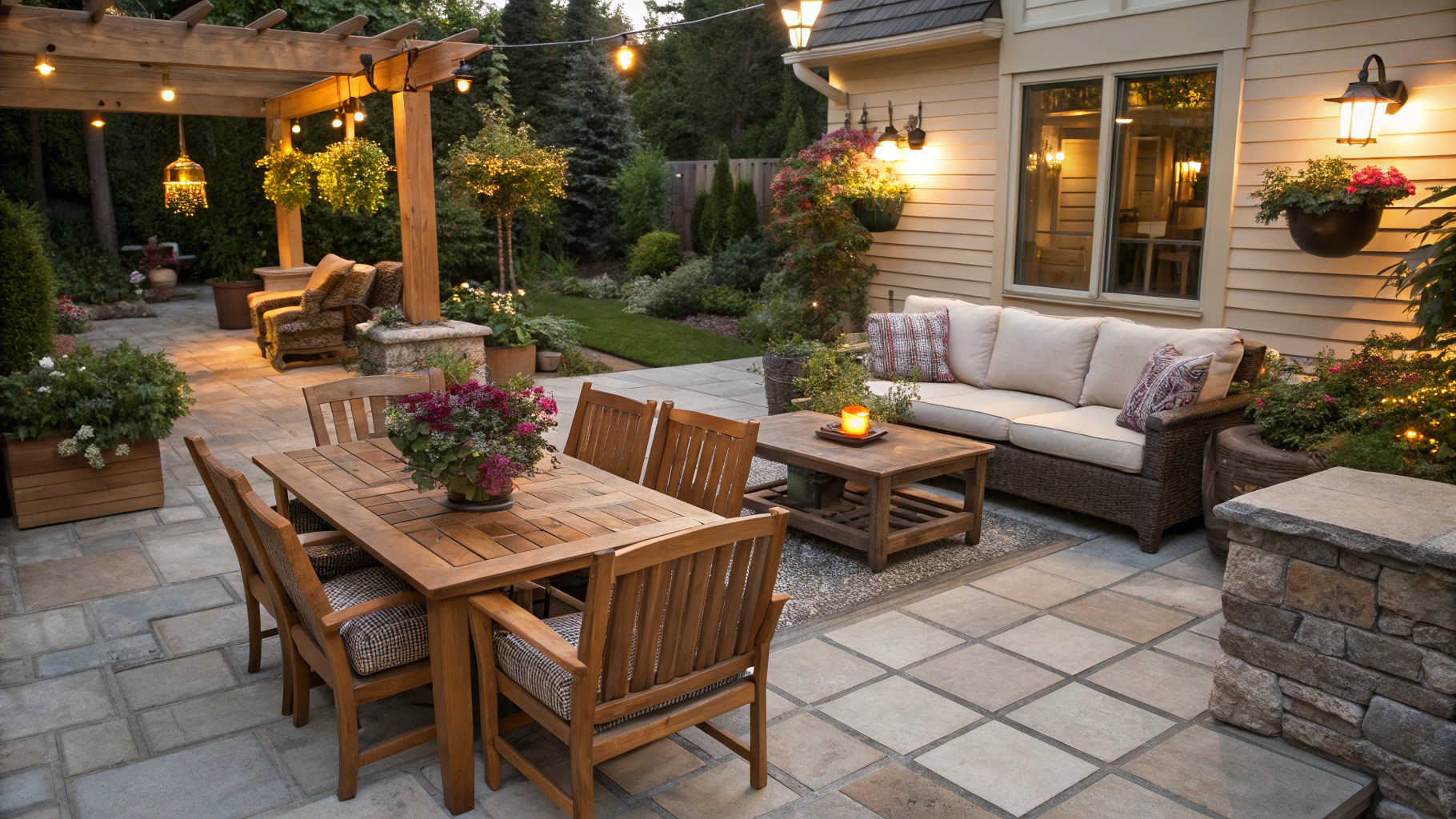
A pergola is the most characterful shade solution available for a patio. It provides dappled coverage that moves with the sun, gives the space a sense of architectural definition, and creates a structure that can support climbing plants, hanging lights, and curtains that provide additional privacy and enclosure. A covered patio with a more solid roof goes further in terms of weather protection and makes the space genuinely usable in light rain, which in many climates is the difference between a patio that gets used through autumn and one that is packed away in September.
For decks, pergola and canopy structures provide equivalent shade and visual definition without requiring a structural roof. A retractable awning is the most flexible option for spaces where you want shade on demand without the permanence of a fixed structure. For patio shade on hot days, a large quality parasol positioned correctly, large enough to cover the entire table and seating arrangement rather than just part of it, provides the most immediate and affordable solution.
RELATED: 12+ Covered Patio Remodel Ideas for Year-Round Use
Choose Furniture That Earns Its Place
Outdoor furniture decisions follow the same logic as indoor ones: scale matters, comfort matters, and one well-chosen piece does more than several mediocre ones. The specific demands of outdoor use add material durability to the list of considerations, and it is worth understanding what different materials actually require in terms of maintenance before committing.
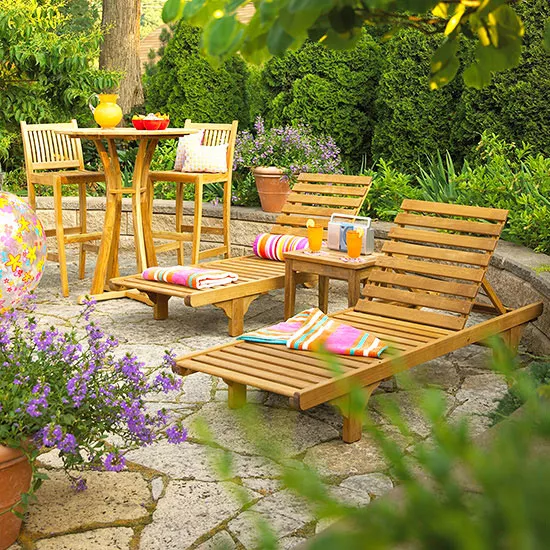
Powder-coated steel and aluminium are the lowest maintenance options and come in finishes that suit both modern and more traditional spaces. Teak and other hardwoods are the most beautiful and require occasional oiling to maintain their warm colour, though many people find the silver-grey weathered tone of untreated teak equally attractive. Rattan and wicker, in their synthetic outdoor forms, add warmth and texture at a lower price point but need to be covered or stored indoors when not in use.
Built-in patio seating is worth considering seriously for any space where the layout is settled and unlikely to change. Built-in benches and seating walls use the perimeter of the patio to provide seating without taking up floor space, and they add an architectural quality that freestanding furniture rarely achieves. For a deck specifically, deck planter ideas that integrate planters into the railing or the perimeter create a living edge that blurs the boundary between the deck and the garden in a way that makes the whole space feel more considered.
Layer the Lighting
Outdoor lighting is where most patios and decks are most dramatically underinvested. A single wall fixture beside the back door provides adequate illumination for walking safely to the bin. It does nothing for the atmosphere of an outdoor space in the evenings, which is precisely when a well-designed patio or deck earns its place.
String lights overhead, whether hung between posts, threaded through a pergola structure, or looped through the branches of an overhanging tree, produce the most universally flattering outdoor lighting there is. The quality of light they produce is warm, omnidirectional, and gently festive in a way that makes every evening gathering feel slightly special. For decks with a railing structure, deck rail lighting mounted at a lower level provides ambient light that illuminates the deck surface without the harshness of overhead fitting.
For a cozy patio in the evenings, the combination of overhead string lights and candles or lanterns at table level creates layered warmth that makes the space feel genuinely inviting well after dark. Solar-powered path lights along the perimeter add a practical and attractive layer that requires no electrical work. Patio fire features, whether a fire pit, a fireplace built into a wall, or a fire pit deck setup, contribute both light and warmth that extends the season significantly.
Add Plants and Greenery
A patio or deck without plants is a hard, flat space. With plants it becomes something that feels alive and connected to the garden around it. The approach to planting an outdoor living space does not require a horticultural background. It requires a few decisions about scale, placement, and variety.
Large plants have a disproportionate impact on how a patio or deck feels. A single substantial pot with a sculptural plant, a tall phormium, a trained olive, or a large agave in a warm climate, can anchor an entire corner of a patio in the way that a piece of outdoor furniture does. Several small pots scattered without arrangement read as underdone regardless of how good the plants themselves are.

Patio greenery integration works best when it is planned as part of the layout rather than added as an afterthought. Pots positioned to define the edges of the seating zone, climbers trained up a pergola or trellis to provide additional privacy, and herbs planted in accessible pots near the eating area for cooking are all approaches that make the planting functional and aesthetic at once. For decks, deck planter arrangements that sit along the railing or at the corners of the deck frame the space and soften the hard line between the deck structure and the sky or garden beyond.
TIP: The most common mistake with patio planting is buying many small plants and distributing them evenly across the space. The effect is always underwhelming. Instead, invest in two or three plants of genuine scale, place them where they will have maximum impact, and let them earn their place in the composition. One large pot with a beautiful plant in the right position does more than twelve small ones dotted around the perimeter.
Consider a Specific Structure Type
Your patio or deck does not have to be a single flat surface at one level. Some of the most interesting and most functional outdoor spaces use more complex structural configurations that create a richer outdoor experience and better suit difficult site conditions.
A sunken patio is one of the most effective ways to create privacy in an exposed garden. By dropping the patio level below the surrounding garden, it creates a natural enclosure that blocks sightlines from neighbours and the street without requiring high fences or walls. The sense of enclosure also makes the space feel more intimate and sheltered than a patio at ground level in the same position. A multi-level deck achieves a similar effect on a sloping site, using different levels to create distinct zones within the same structure, typically a dining level closer to the house and a lower lounging level closer to the garden.
A wraparound deck that follows the perimeter of the house on more than one side creates multiple outdoor zones with different orientations, which means you can move with the sun or the shade throughout the day. A rooftop terrace in an urban context offers the most dramatic backdrop of any outdoor space available to a city home, and the design decisions there are as much about how to manage wind, weight loading, and privacy as they are about furniture and planting.
RELATED: 13+ Unique Sunken Patio Ideas for Privacy
Style It With a Clear Point of View
The outdoor spaces that feel most memorable are the ones that have a clear aesthetic direction rather than a collection of whatever was available. Understanding where your instincts sit on the spectrum from minimal and modern to layered and characterful gives you a framework for making decisions that feel coherent rather than arbitrary.
A modern minimalist deck uses clean-lined furniture in neutral tones, a single material for the deck surface, minimal planting in architectural pots, and light that is considered rather than decorative. The appeal is order and restraint. A boho deck takes the opposite approach, layering rugs and textiles, using rattan and woven furniture, incorporating abundant plants in mismatched pots, and creating a relaxed, collected atmosphere where pattern and texture are invited rather than edited out.
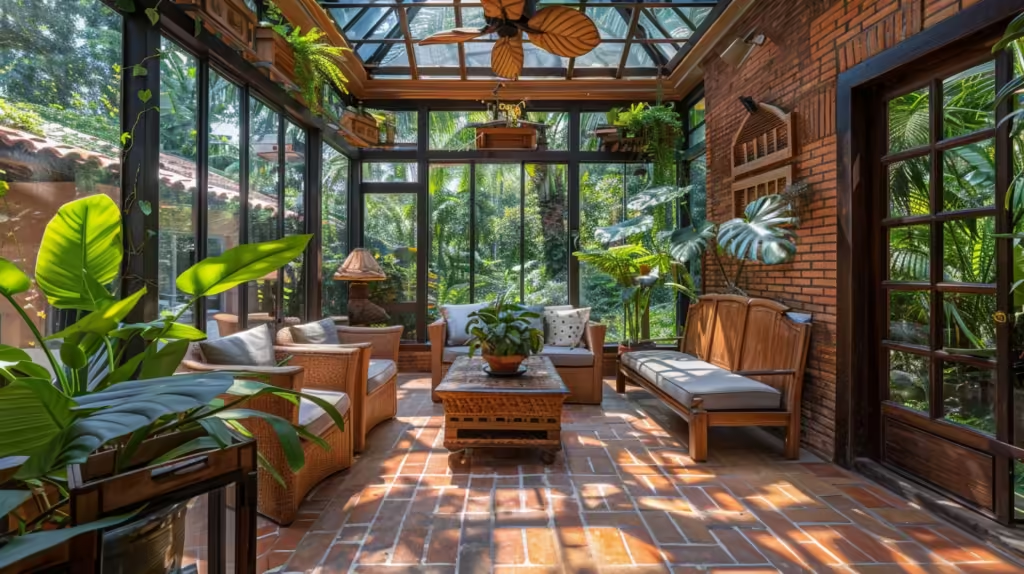
A coastal deck uses the palette and materials of the sea: weathered timber, natural rope and jute, bleached whites and soft blues, linen cushions, and a quality of light and air that makes the space feel like an extension of a coastal landscape even in an inland garden. Mediterranean-inspired patios bring terracotta, stone, shade from a pergola draped with wisteria or vines, and the unhurried atmosphere of southern European outdoor living. Japandi deck designs balance the Japanese aesthetic of negative space and material honesty with the Scandinavian preference for warmth and comfort, producing outdoor spaces that are genuinely calm without feeling cold. Rustic deck styling leans into raw timber, exposed grain, cabin-inspired materials, and fire as a central design element.
RELATED: 14+ Earth-Toned Deck Decor Ideas That Feel Grounded
Make It Work for Small Spaces
A small patio or compact deck is not a limitation. It is a design challenge that rewards clarity more than a large space does, because every decision matters more when there is less room for things that do not work.
The furniture choices in a small outdoor space need to be scaled to the space rather than chosen from standard outdoor furniture dimensions, which are almost always too large for a compact patio or balcony. A bistro table and two chairs, a built-in bench along one wall with a small table beside it, or a folding dining set that can be stored when not in use all provide function without overwhelming the space. Compact dining setups for small decks show how a table and two chairs can be arranged on even the smallest deck without making the whole space feel like it has been taken over by a dining room.
Vertical space is particularly valuable in a small patio. Wall-mounted planters, trellises with climbing plants, and tall narrow pots all bring greenery and visual interest without using floor area. For small backyard patios where the outdoor space is tight in every dimension, the design approach is essentially the same as for a small interior room: fewer, better decisions, clear sightlines to the perimeter, and one or two elements that are genuinely beautiful rather than many that are merely adequate. The small patio ideas that work consistently well focus on making the most of the floor area rather than filling it.
RELATED: 15+ Small Patio Remodeling Ideas That Maximize Space
Add an Outdoor Kitchen or Coffee Corner
For patios and decks that are used frequently for entertaining, adding a cooking or beverage station removes the constant need to go back inside during gatherings. Even a modest outdoor kitchen setup with a built-in grill, a small preparation surface, and a mini refrigerator changes how a patio functions for weekend entertaining in a way that nothing else quite replicates.
For daily use rather than entertaining, an outdoor coffee corner positioned to catch the morning light is one of the most liveable additions to a patio or deck. A small table with two chairs, a weatherproof cabinet for cups and a cafetière, and a view of the garden makes the first hour of the day substantially more pleasant and gives the outdoor space a reason to be used even on quieter mornings when entertaining is not the purpose.
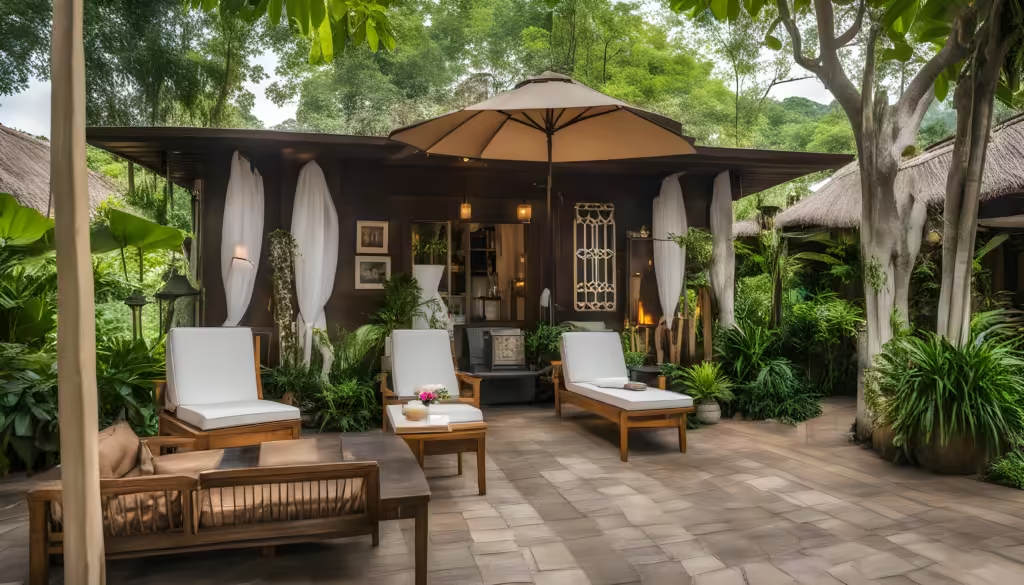
A resort-inspired patio takes this further, treating the outdoor space as a genuine extension of the home’s living and entertaining areas with the same level of investment in comfort and design that you would bring to an interior room.
Maintain What You Build
A well-designed patio or deck requires relatively little ongoing maintenance if the initial decisions about materials and structure are sound. The things that deteriorate most visibly and most quickly are the things that are most often neglected: patio cushions left out through rain and damp, timber surfaces left unprotected through winter, and furniture stored incorrectly so that it arrives at the start of the season already damaged.
Cushions should be stored in a weatherproof container or brought inside when not in use. The complete guide to cleaning patio cushions covers every fabric type and the methods that actually work, which is particularly useful at the start of the season when cushions emerge from storage looking less than their best. Timber surfaces should be cleaned and resealed or restained every year or two depending on the level of exposure. A pressure washer at the start of each season removes the winter’s accumulated grime and makes every other element of the patio look considerably better.
Frequently Asked Questions
What is the difference between a patio and a deck?
A patio is a ground-level outdoor surface made from hard materials like concrete, stone, pavers, or tile. A deck is an elevated platform typically made from timber or composite boards. Decks are more common on sloping sites or where a raised level is needed to align with the interior floor level. Patios tend to integrate more seamlessly with the surrounding garden. Both serve the same purpose as an outdoor living space, and the choice between them is largely a function of site conditions, budget, and aesthetic preference.
How do I make a small patio feel bigger?
Use furniture scaled to the space rather than standard outdoor dimensions. Define one clear zone rather than trying to fit multiple functions into the same footprint. Keep the palette light and consistent. Use vertical space for planting rather than covering the floor. And choose one or two elements that are genuinely considered rather than filling the space with many things that are barely adequate.
What is the best material for a patio surface?
It depends on your budget, aesthetic, and maintenance willingness. Flagstone and natural stone are the most beautiful and most expensive. Pavers offer a wide range of styles at a moderate price point and are the most popular choice. Concrete is the most affordable and, when finished properly, considerably more attractive than its basic form. All of these are durable choices; the differences are primarily aesthetic and financial.
How do I extend the use of my patio into cooler months?
Shade and shelter during summer becomes warmth and enclosure in autumn. A covered structure or pergola provides the enclosure. A fire pit or fire feature provides the warmth. Adding outdoor heaters, heavier textiles on the furniture, and windbreaks on the exposed sides of the patio extends comfortable use considerably beyond the warm season. The patios that get used year-round are the ones that were designed with shelter and warmth in mind from the beginning, not as an afterthought.
How much does a patio or deck remodel cost?
The range is enormous and depends primarily on the surface material, the size of the space, and whether any structural work is involved. A DIY patio on a budget using concrete pavers and self-installed furniture can be done for a few hundred pounds or dollars. A professionally designed and installed natural stone patio with built-in seating, a pergola, and an outdoor kitchen will cost considerably more. The budget patio ideas that look genuinely luxurious focus on a few high-quality decisions rather than trying to do everything at moderate quality.
Explore the full outdoor living section in our Outdoor Living guides.