Patio Remodel Ideas: The Complete Guide to Planning a Backyard You’ll Actually Use
Most patio remodels fail before a single stone is laid.
Not because of bad materials or a tight budget but because the homeowner skipped the planning part and jumped straight to Pinterest boards. They picked a style they liked the look of without asking whether it would work for their yard, their climate, or the way they actually live.
The result? A beautiful patio that’s too hot to sit on by noon. A fire pit no one uses because the seating faces the wrong direction. An outdoor kitchen that gets used twice a summer because the layout makes cooking feel like a chore.
This guide fixes that. We’re going to walk through every major decision in a patio remodel, in the order you should actually make them so that by the time you’re choosing pavers or pricing pergolas, you already know exactly what you’re building and why.
Why Most Patio Remodels Disappoint (And How to Avoid That)
Here’s the pattern that plays out over and over: a homeowner spends $8,000 remodeling their patio, and two summers later they’re barely using it. They can’t quite articulate why. The space looks fine. It just doesn’t feel like somewhere they want to spend time.
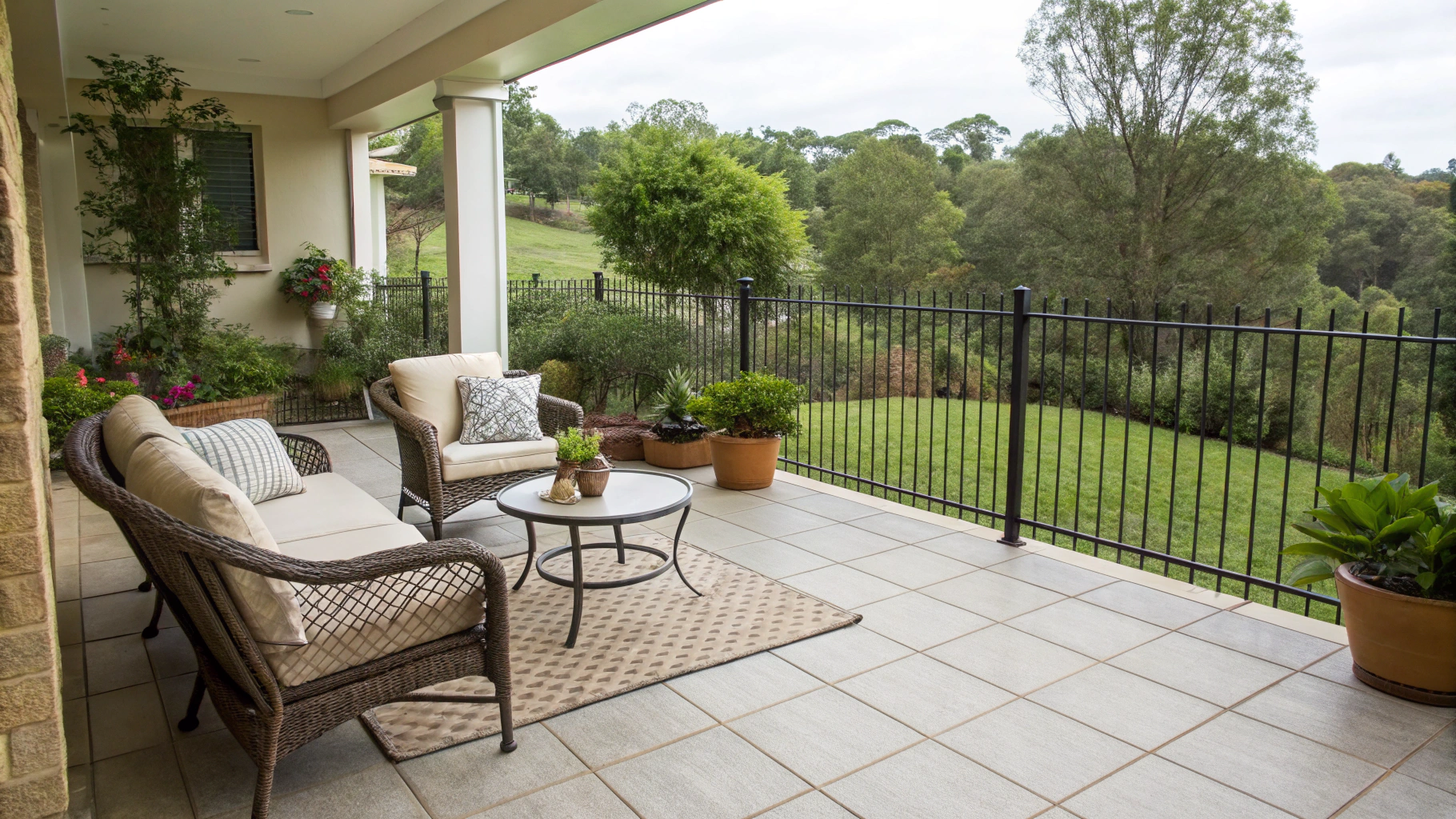
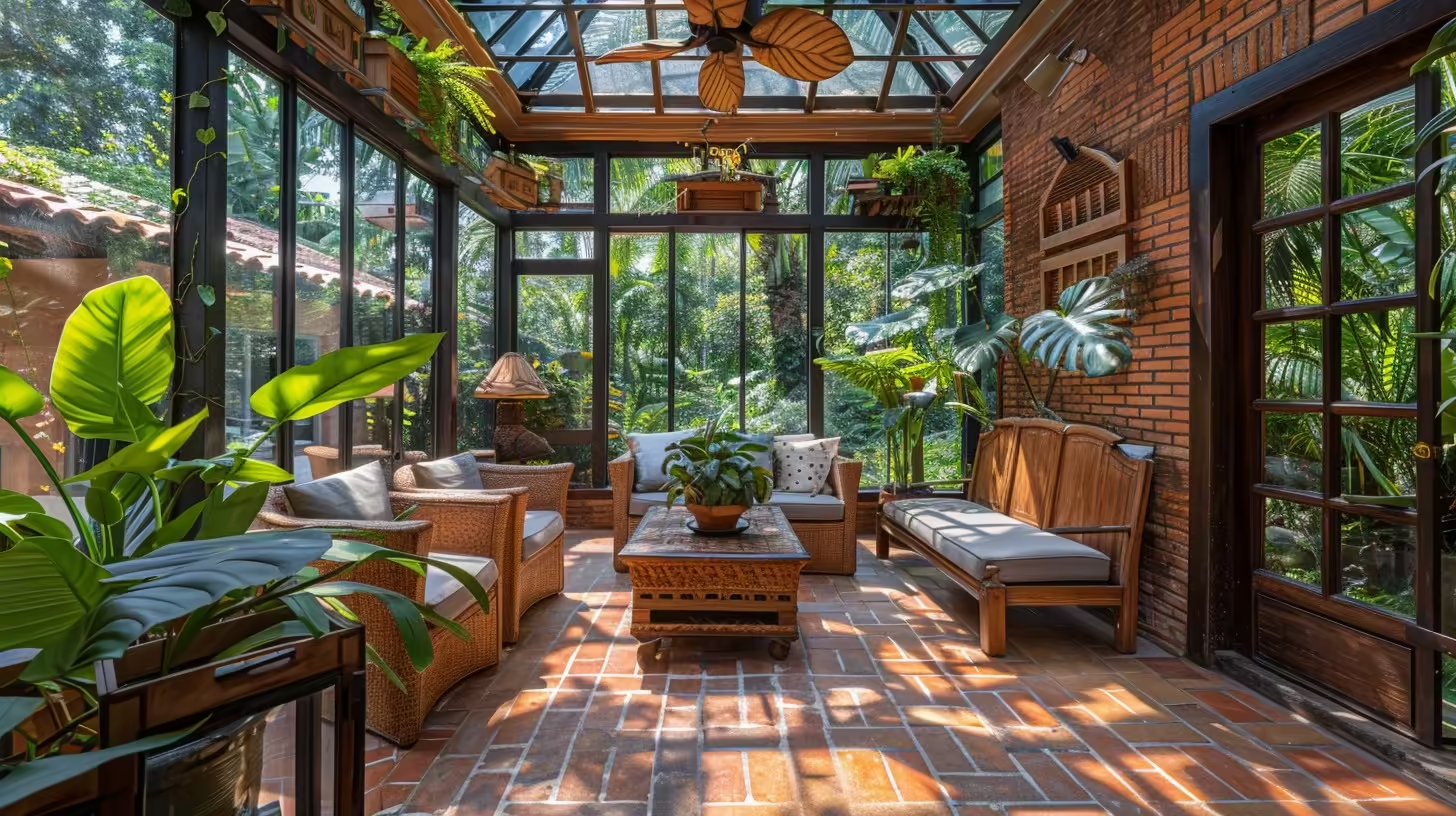
The problem is almost always one of these three things:
Wrong size. The patio is too small for how the household actually uses it. A 10×10 space might look fine in a landscape plan but feels cramped the moment you put a table, four chairs, and a grill on it. As a baseline: a dining area alone needs at least 12×14 feet to seat six comfortably with room to push chairs back.
Wrong position. The patio gets four hours of direct afternoon sun with no shade, making it unusable from noon to 6pm — which happens to be exactly when most people want to use it.
Wrong priorities. Money went to expensive furniture and decorative tile when the drainage was never sorted. Now water pools in one corner every time it rains and the expensive pavers are lifting.
The fix for all three is the same: spend more time planning before you spend any money building.
Define What Your Patio Actually Needs to Do
This sounds like a throwaway step. It isn’t. The answer shapes every decision that follows.
Grab a piece of paper and answer these honestly:
- How many people do you realistically entertain at once — not your aspirational dinner party, your actual Saturday night?
- Do you cook outside? Would you cook outside more if the setup were better?
- Do you have kids or dogs who need open space, or is this primarily an adult space?
- What time of day do you use the outdoors most — morning coffee, afternoon lounging, evening entertaining?
- What shuts down your outdoor use right now — too hot, too exposed, mosquitoes, no lighting, nowhere comfortable to sit?
Your answers will tell you whether you need a large family-friendly space with durable surfaces and shade, or an intimate evening retreat with lighting and a fire feature. Those are very different projects with very different budgets.
If your honest answer is “I want a bit of everything,” that’s fine — but prioritize. Pick the one use case that matters most and design around that first. Everything else layers in afterward.
What Style Are You Actually Going For? (Be Honest Here)
The biggest mistake people make with patio style is choosing based on what looks good in photos rather than what actually suits their house, their garden, and their maintenance appetite.
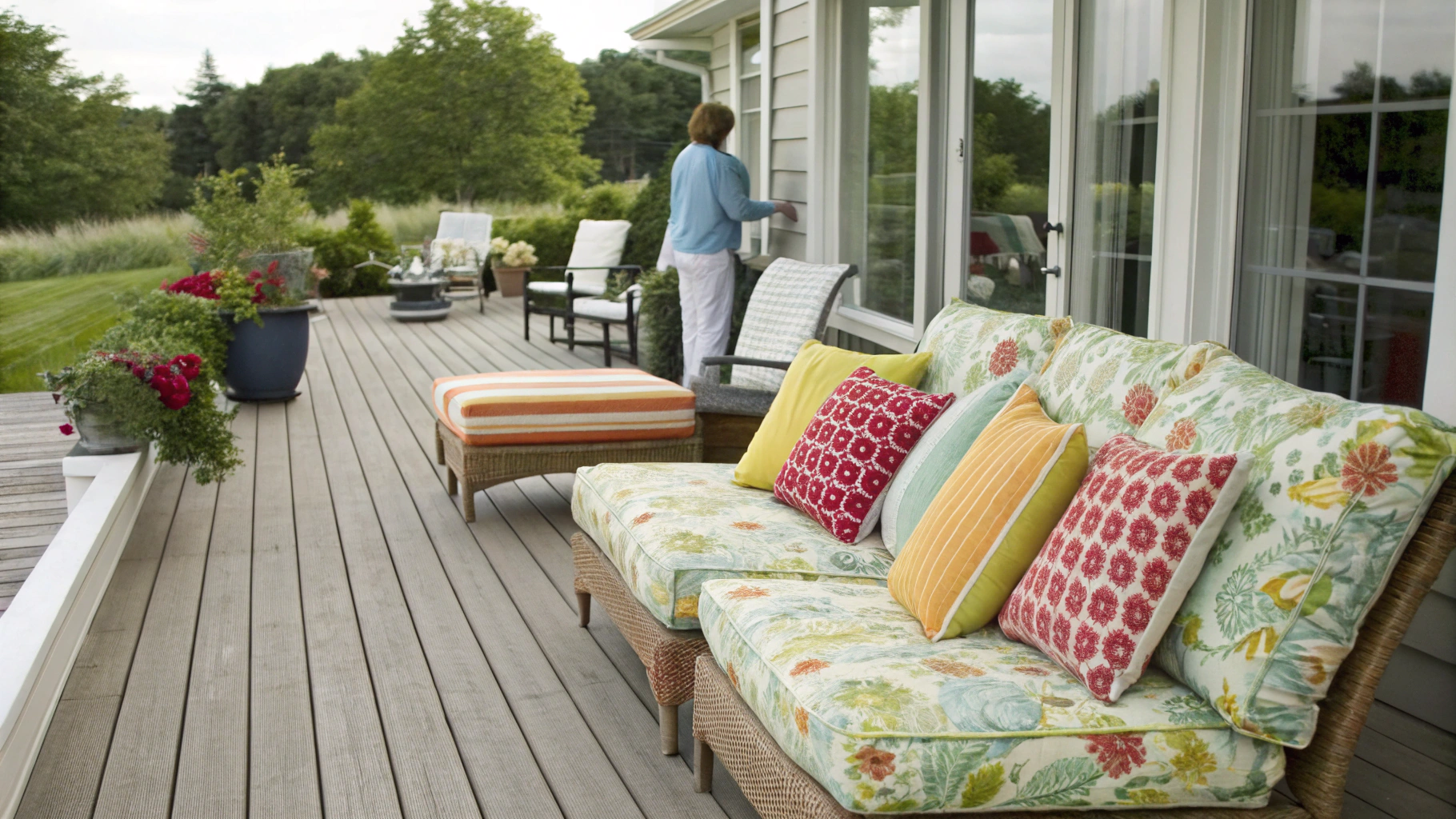
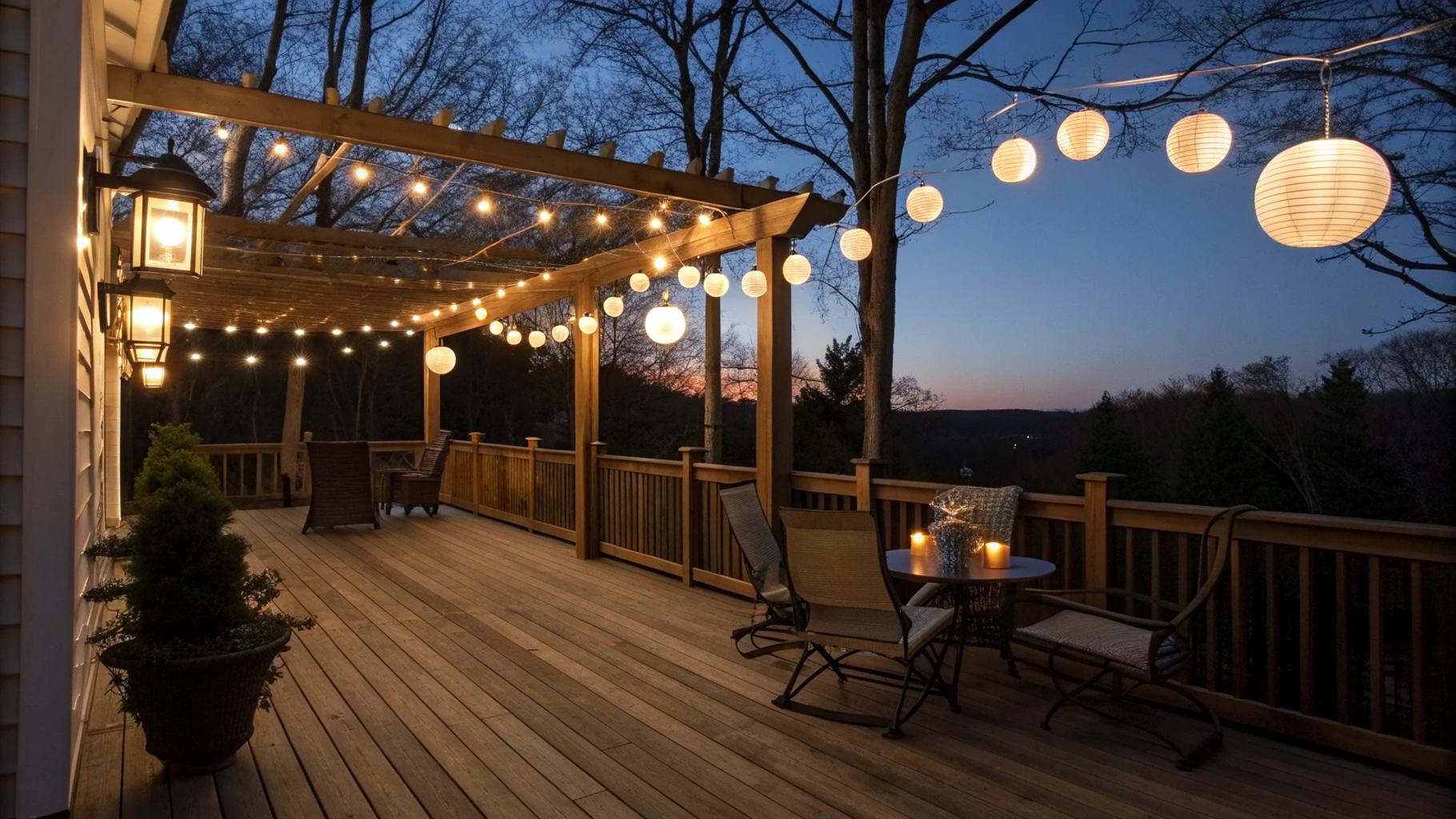
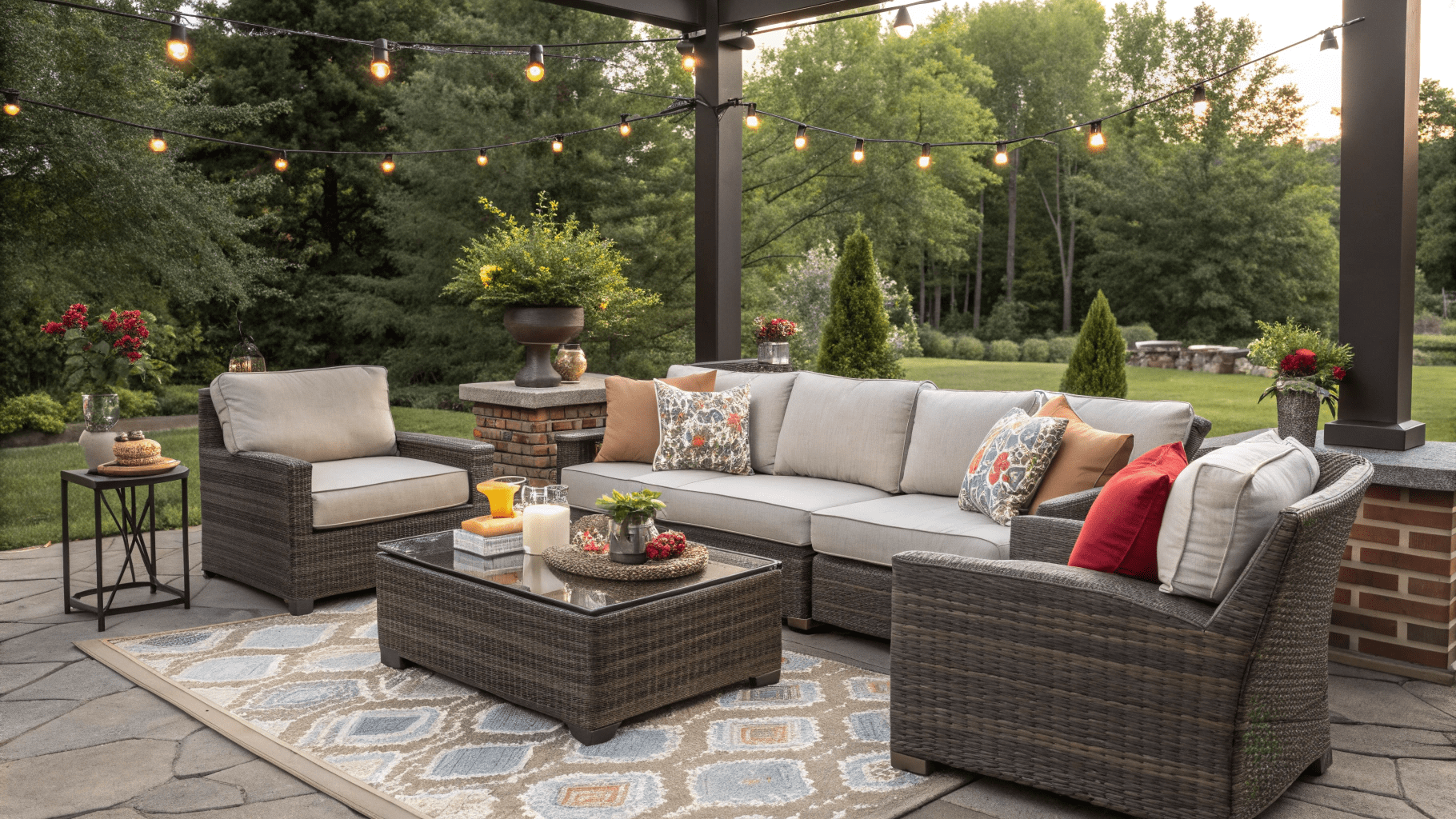
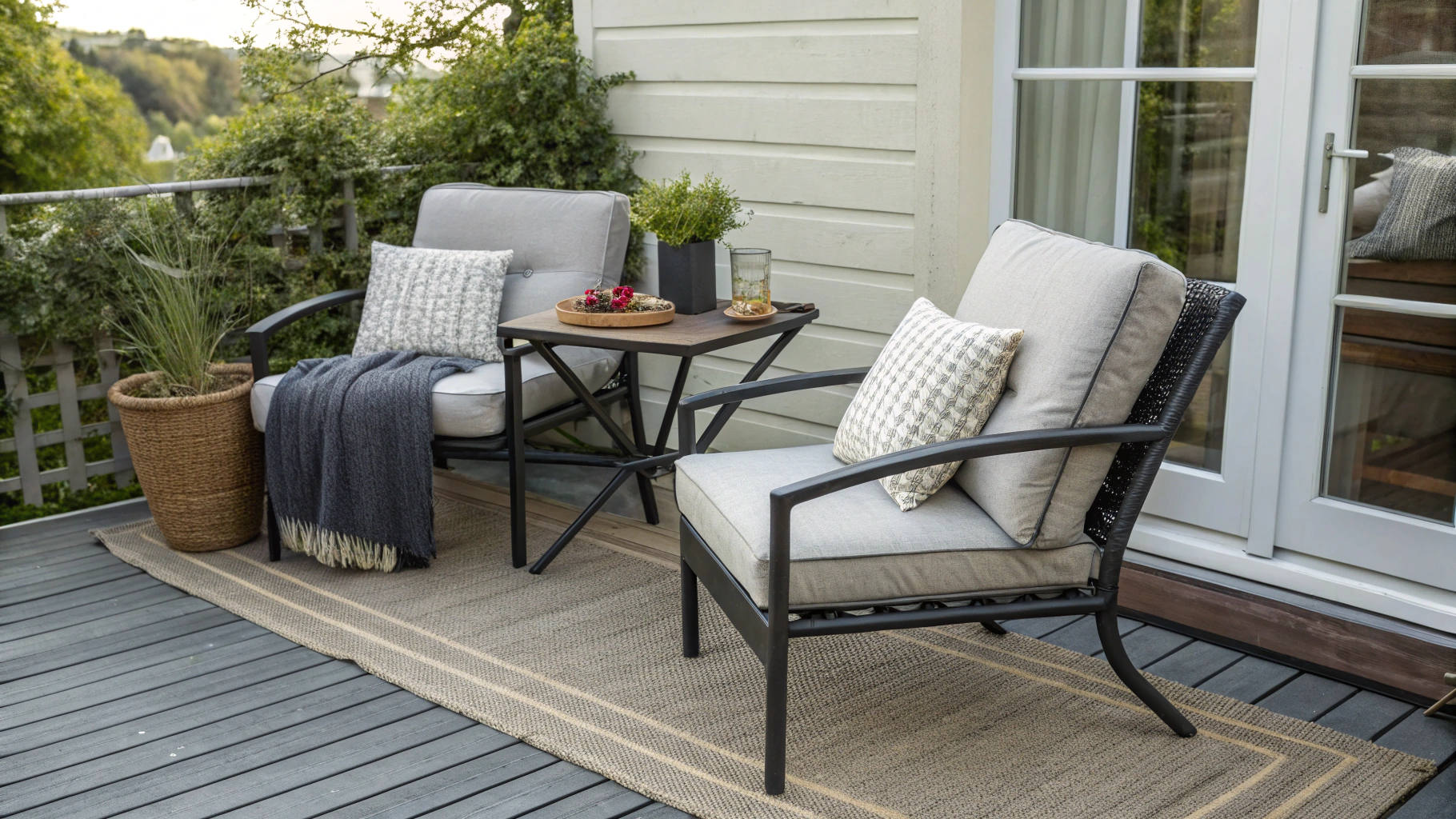
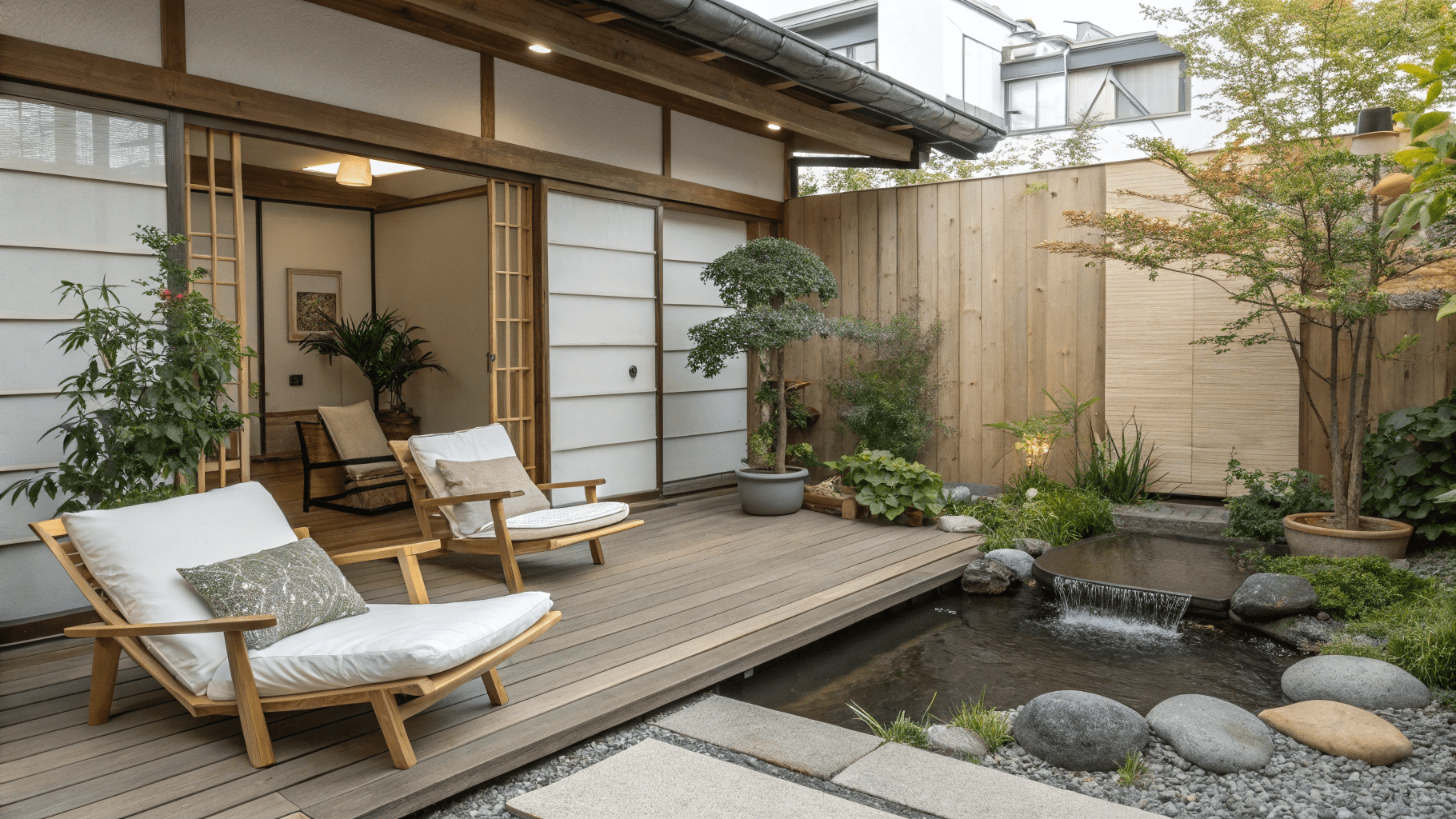
The Resort-Style Patio
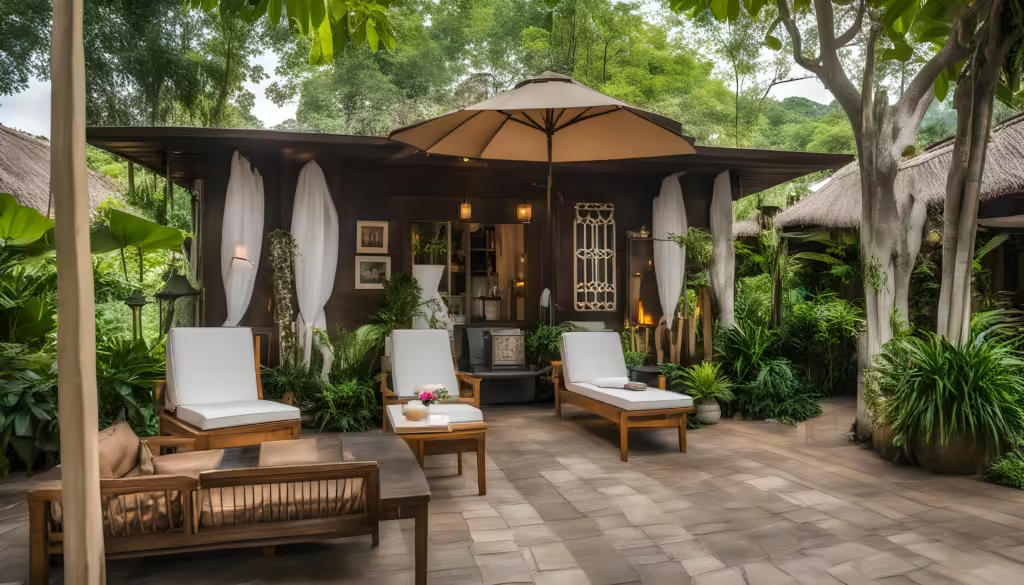
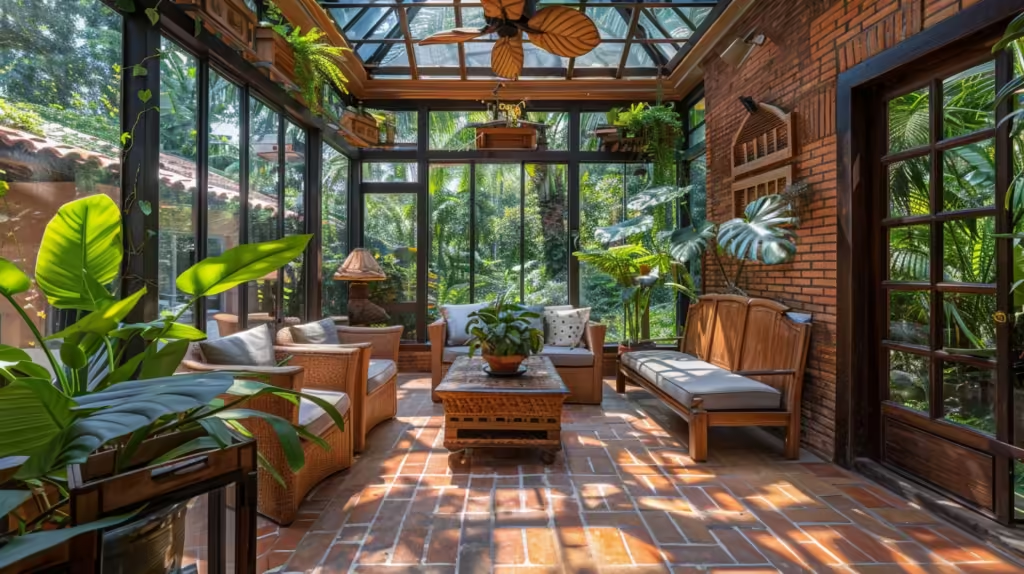
This is the aspirational direction — layered textures, lush planting, dramatic lighting, a water feature or a fire pit as a centerpiece. Done well, it genuinely feels like a vacation without leaving home. Done poorly, it’s expensive and high-maintenance and looks dated within five years.
If you want to go this direction, commit to it fully. Half measures produce a space that looks like it was trying to be something and didn’t quite make it. For serious inspiration, resort-inspired patio remodel ideas shows what full commitment to this look actually takes.
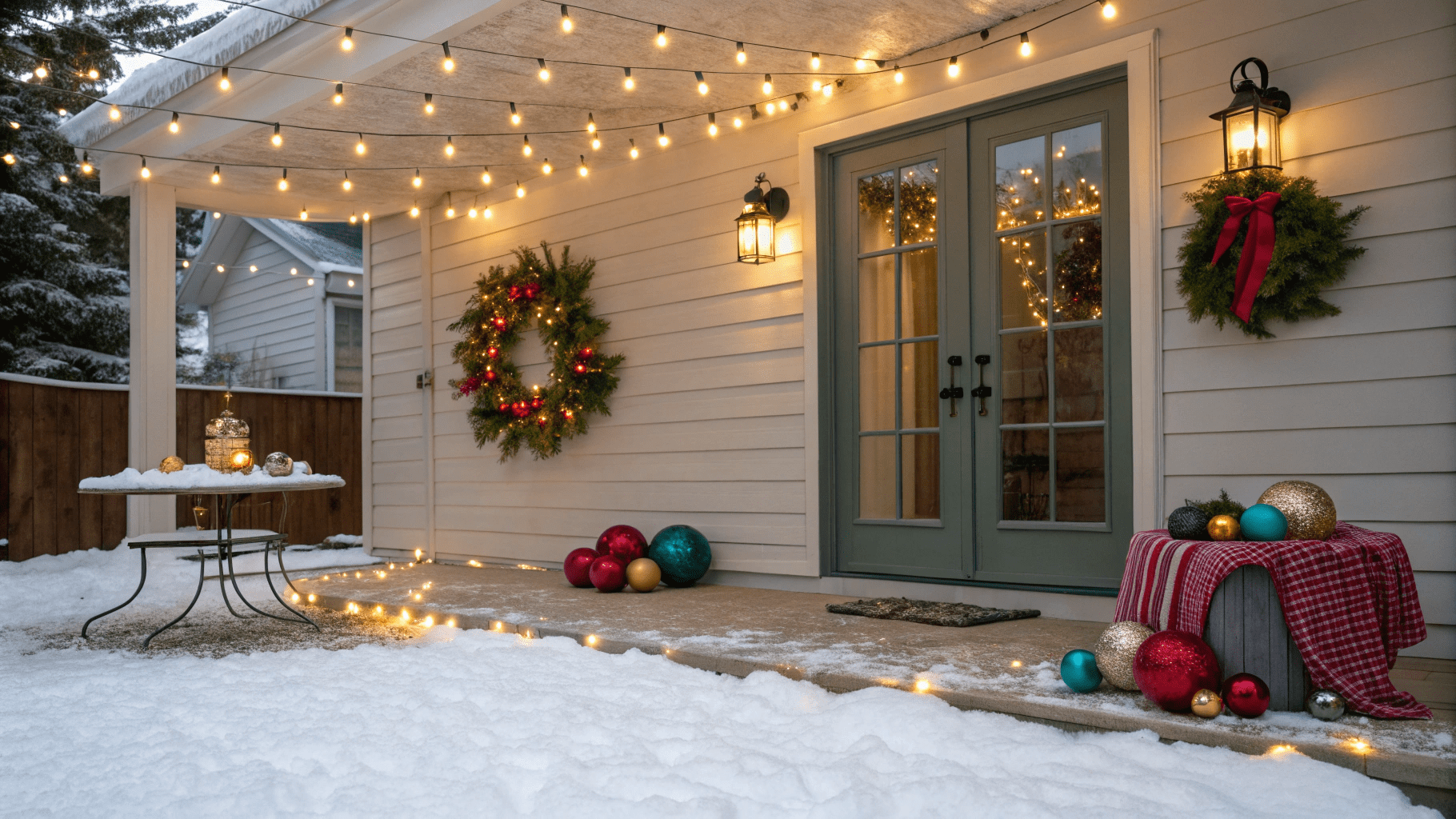
The Cozy Evening Retreat
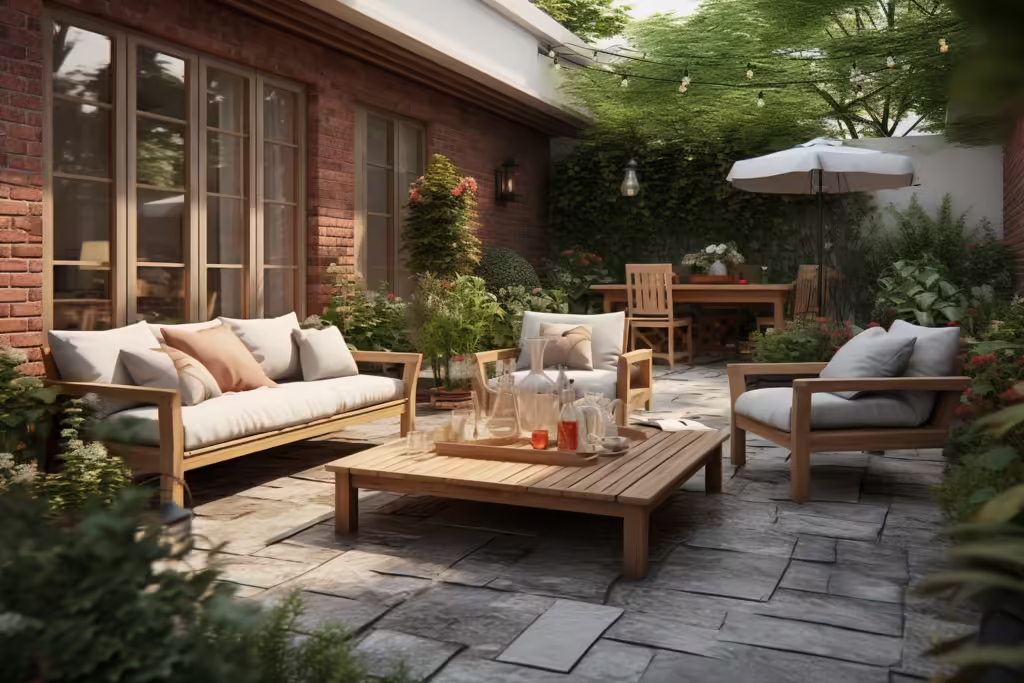
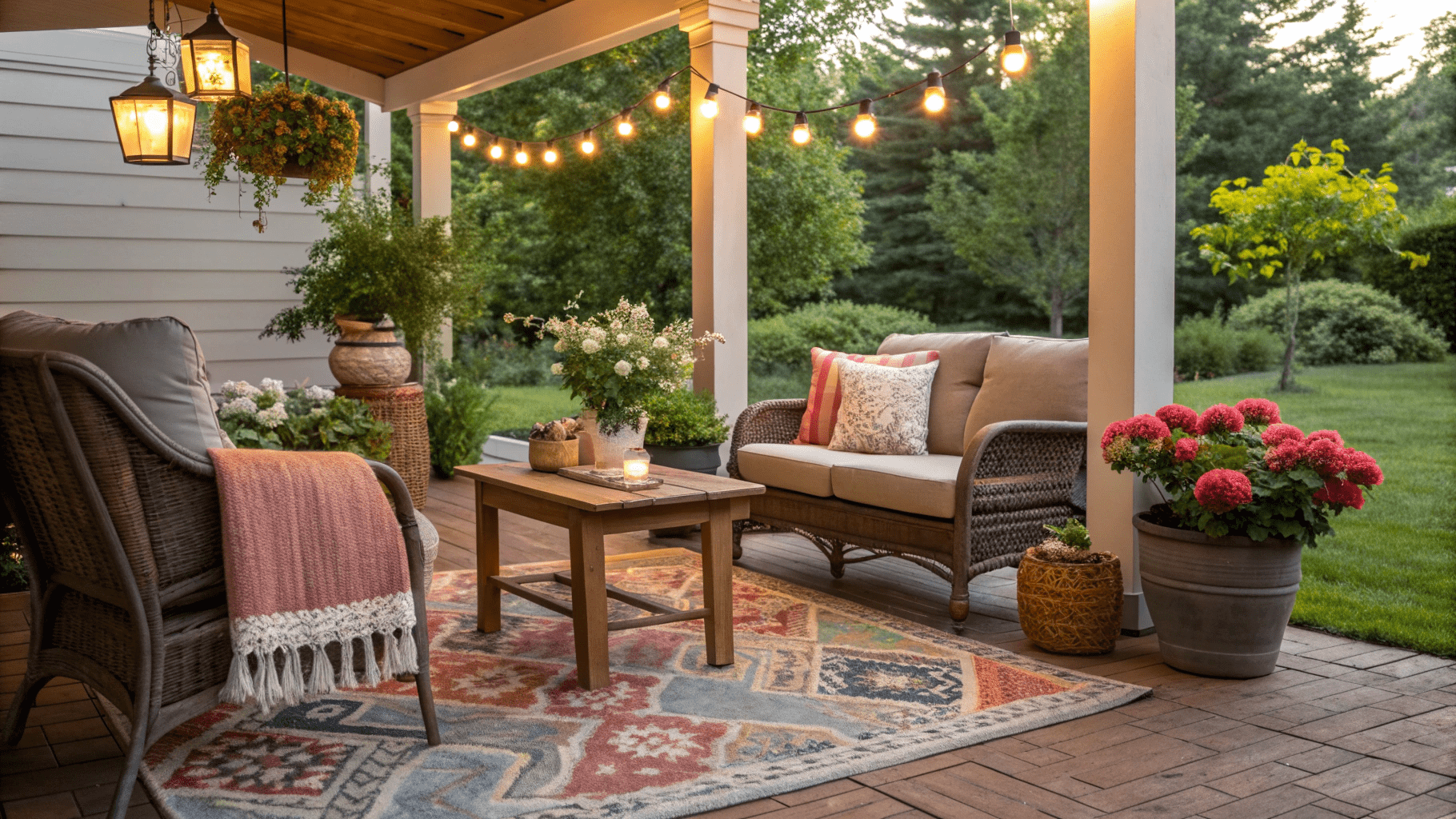
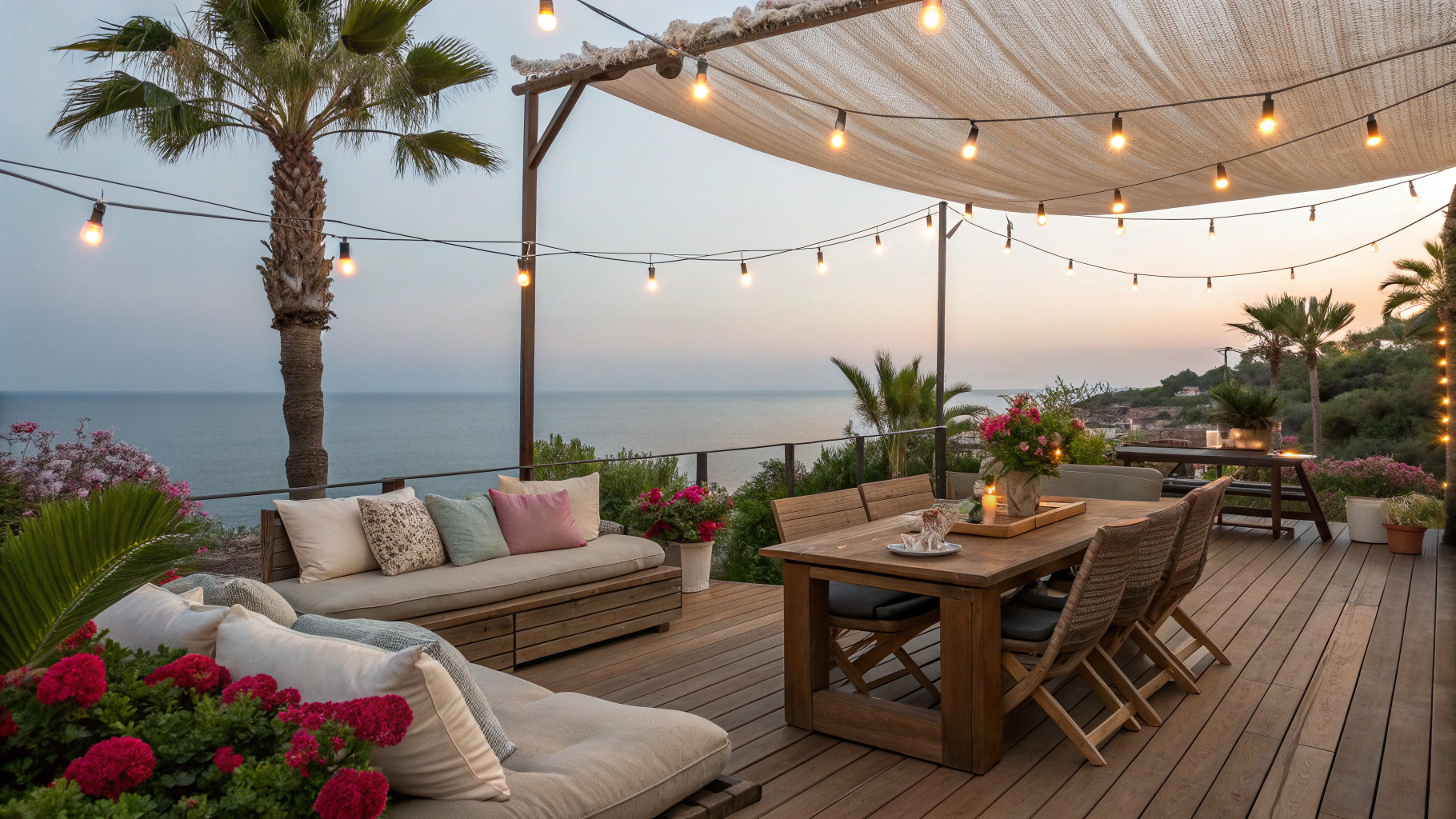
Not every patio needs to be a showpiece. Some of the most-used outdoor spaces are small, unpretentious, and built entirely around the feeling of wanting to stay just a little longer. String lights, comfortable seating, a small fire feature, layered textiles.
This style is underrated because it photographs less dramatically — but it punches far above its weight in terms of how much the space actually gets used. Cozy patio remodel ideas for evening relaxation captures exactly what makes this approach so liveable.
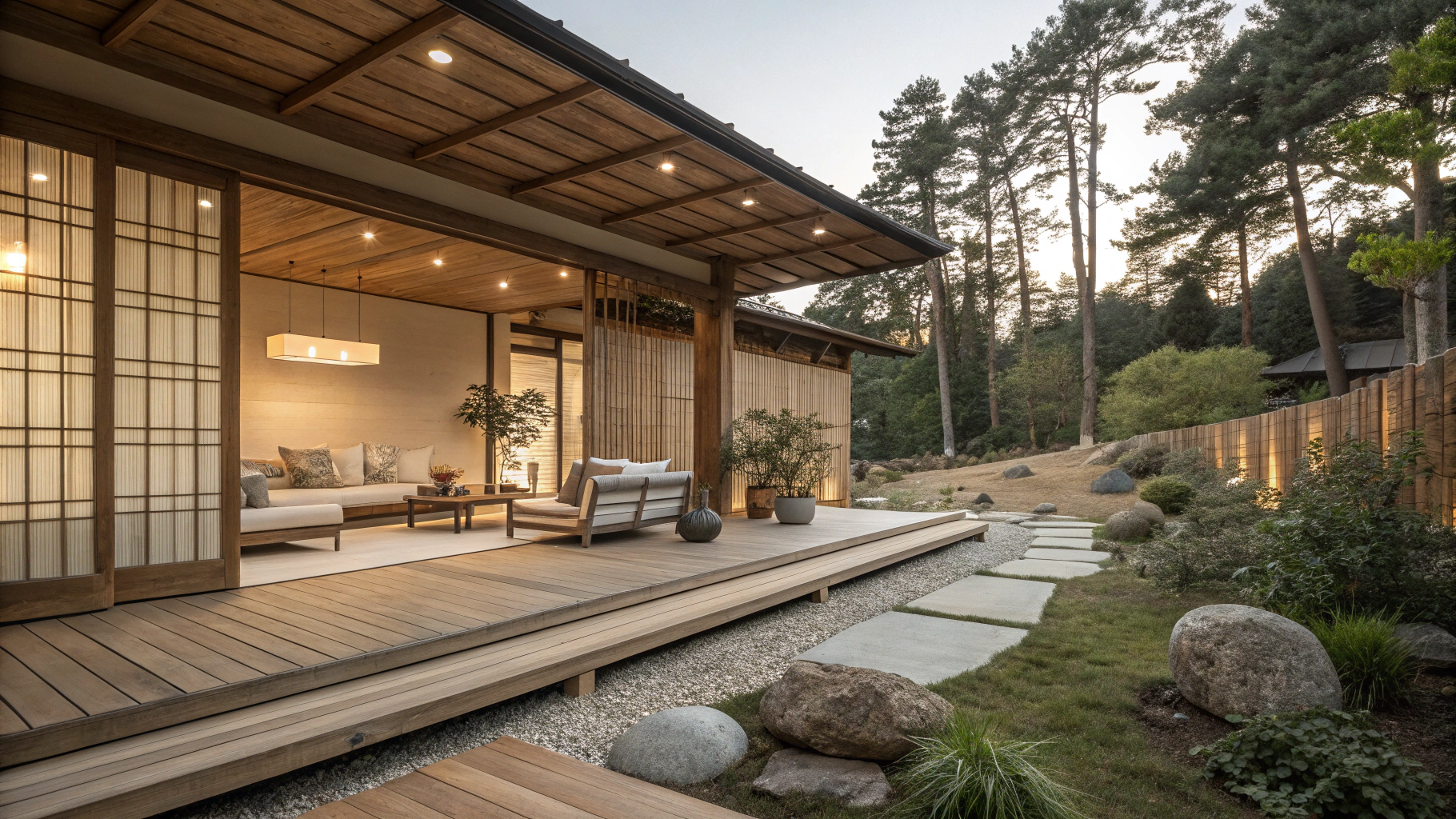
The Minimal Open Patio
Clean lines, a limited material palette, breathing room. This direction works brilliantly for modern homes and for homeowners who genuinely prefer low maintenance — not as a compromise, but as an intentional choice.
The trap with minimalism is doing it cheaply. Minimal design forgives nothing: a cheap paver in a clean design is more noticeable than the same cheap paver surrounded by busy pattern. Minimal patio remodel ideas that feel open shows how to get this right.
The Family-First Patio
Durability, flexibility, and the ability to handle a crowd without feeling crowded. Large table, easy-clean surfaces, shade for hot afternoons, and enough seating that no one ends up on a camping chair dragged from the garage.
This doesn’t have to mean ugly or utilitarian. Patio remodel ideas for family gatherings shows how to design for real use without sacrificing aesthetics.
The Shade Problem Nobody Talks About Enough
Ask someone who renovated their patio five years ago what they wish they’d done differently. More than half of them will say: added more shade.
A beautiful patio that sits in direct afternoon sun is a patio you won’t use for four to six months of the year. And once the patio is built, adding shade as an afterthought is awkward — footings for pergola posts need to go somewhere, and “somewhere” often means breaking up a patio you just paid to install.
Think about shade in the planning phase, not as a later addition.
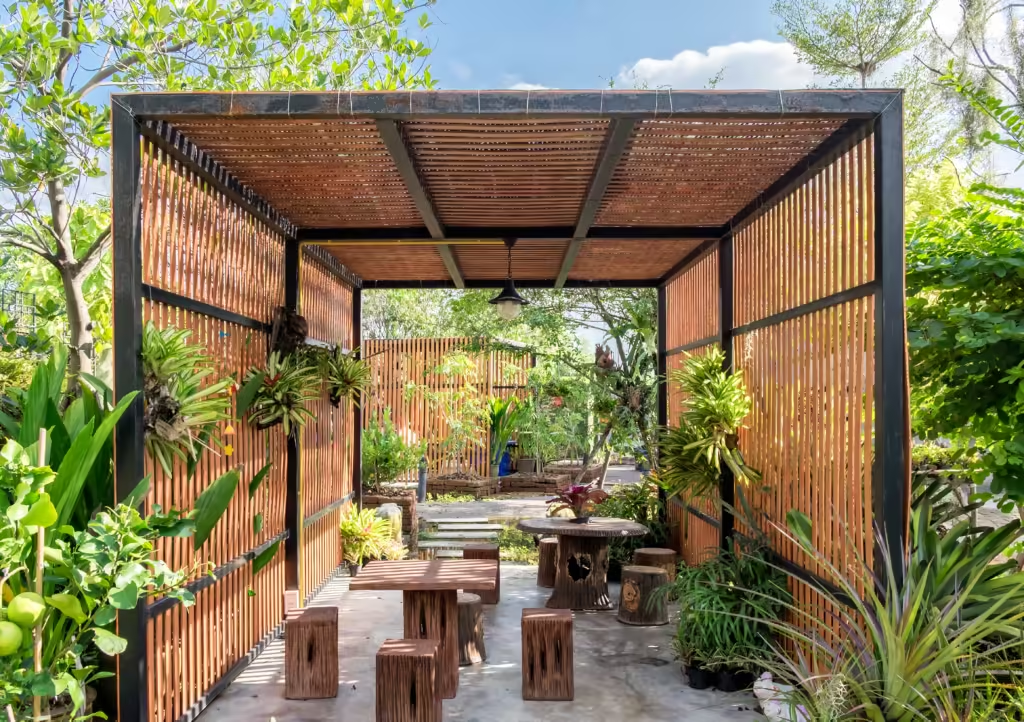
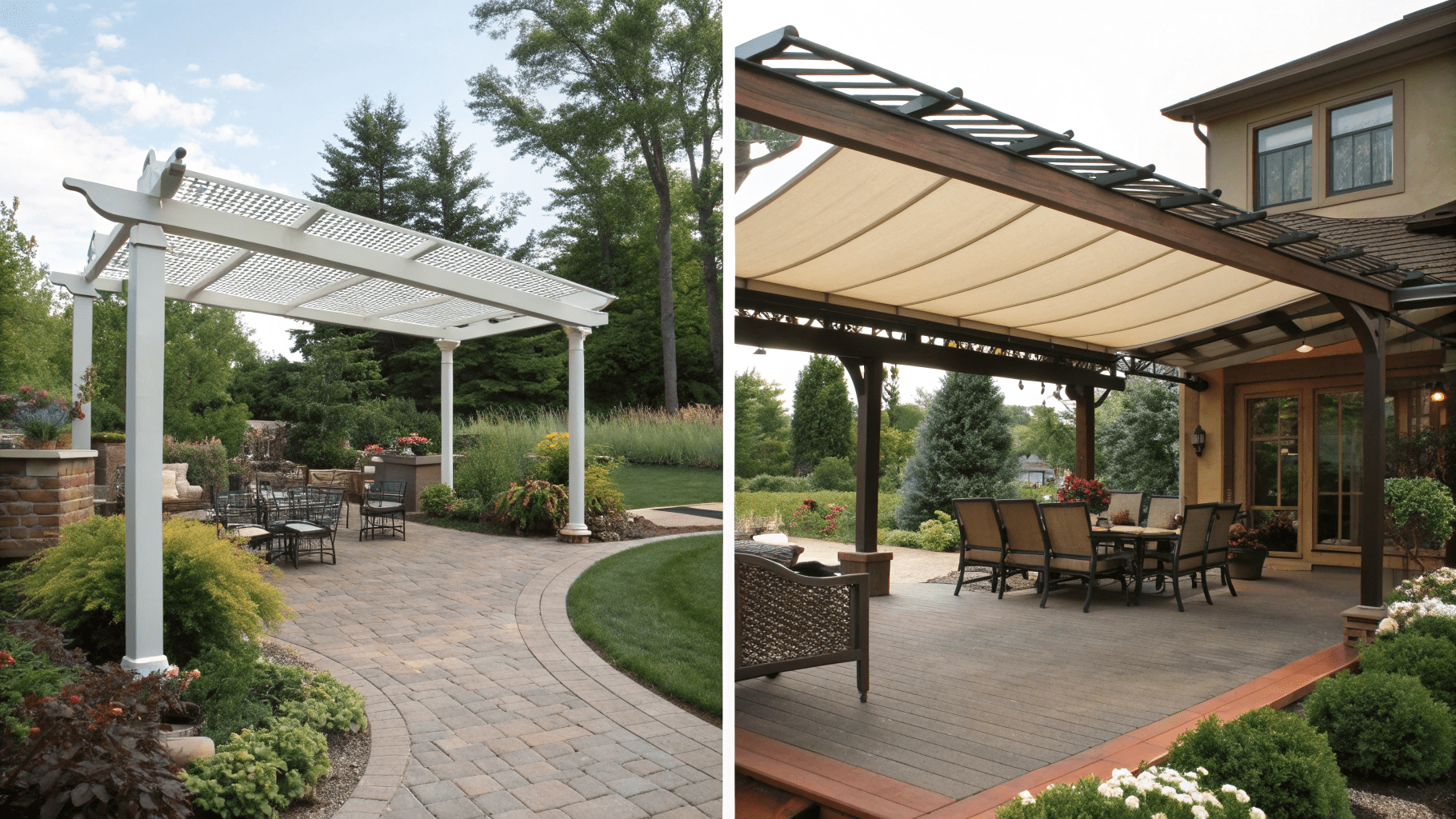
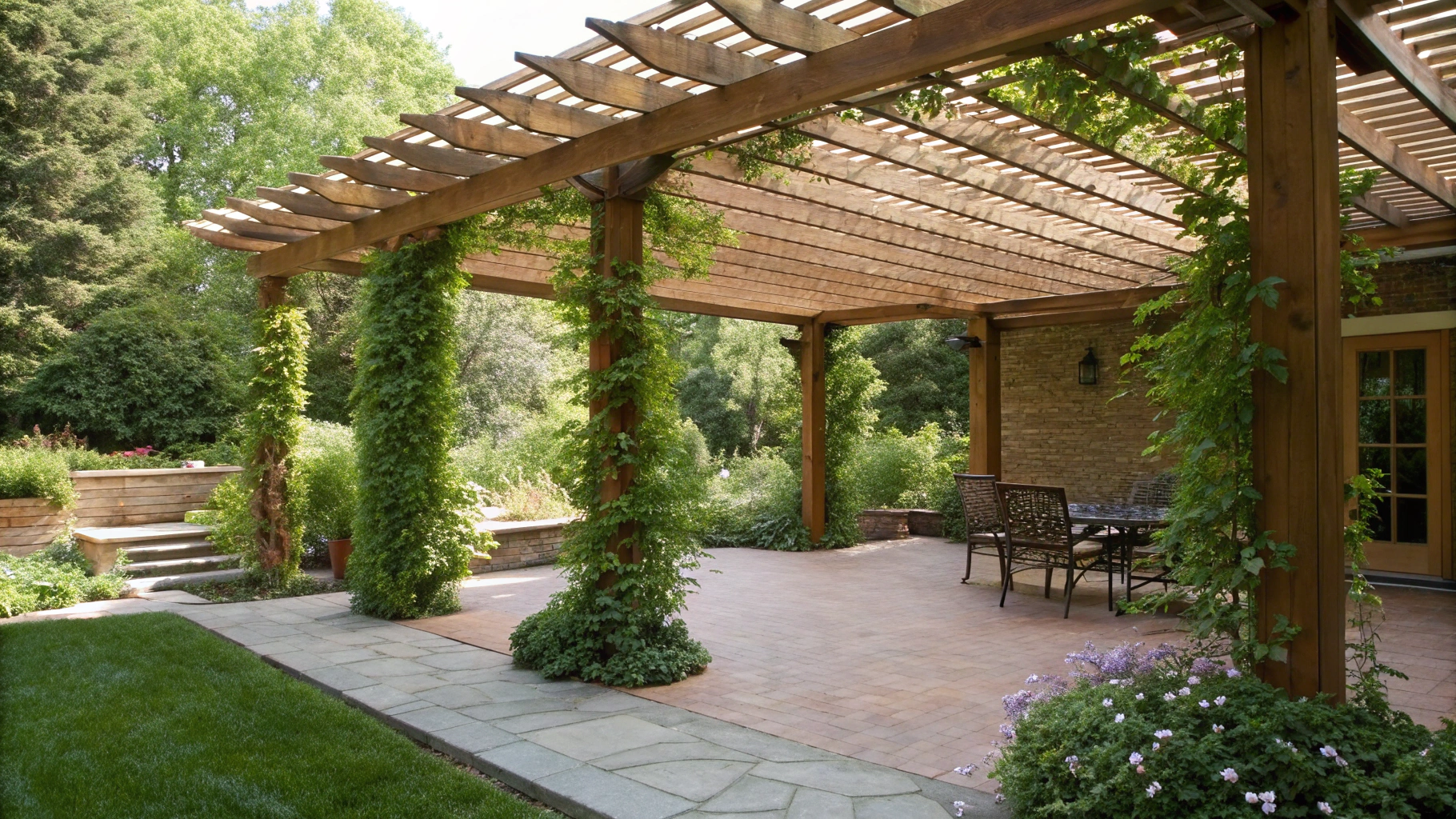
Pergolas remain the most popular solution because they do three things at once: provide shade, add architectural structure, and give climbing plants somewhere to grow. A well-placed pergola with mature wisteria or climbing roses is one of those outdoor features that genuinely gets better every year.
Shade sails are the modern, more affordable alternative. Installed correctly — stretched taut between anchor points at different heights — they look genuinely architectural rather than makeshift. The key word is “correctly”: a saggy shade sail looks terrible and collects water.
Solid roof structures are worth it if you want to use your patio in light rain, or if you’re in a climate where sun protection needs to be total rather than filtered. This takes the patio from seasonal to year-round. Covered patio remodel ideas for year-round use and patio shade remodel ideas for hot days cover both ends of the shade spectrum in detail.
Fire Features: The Upgrade That Changes How You Use the Space
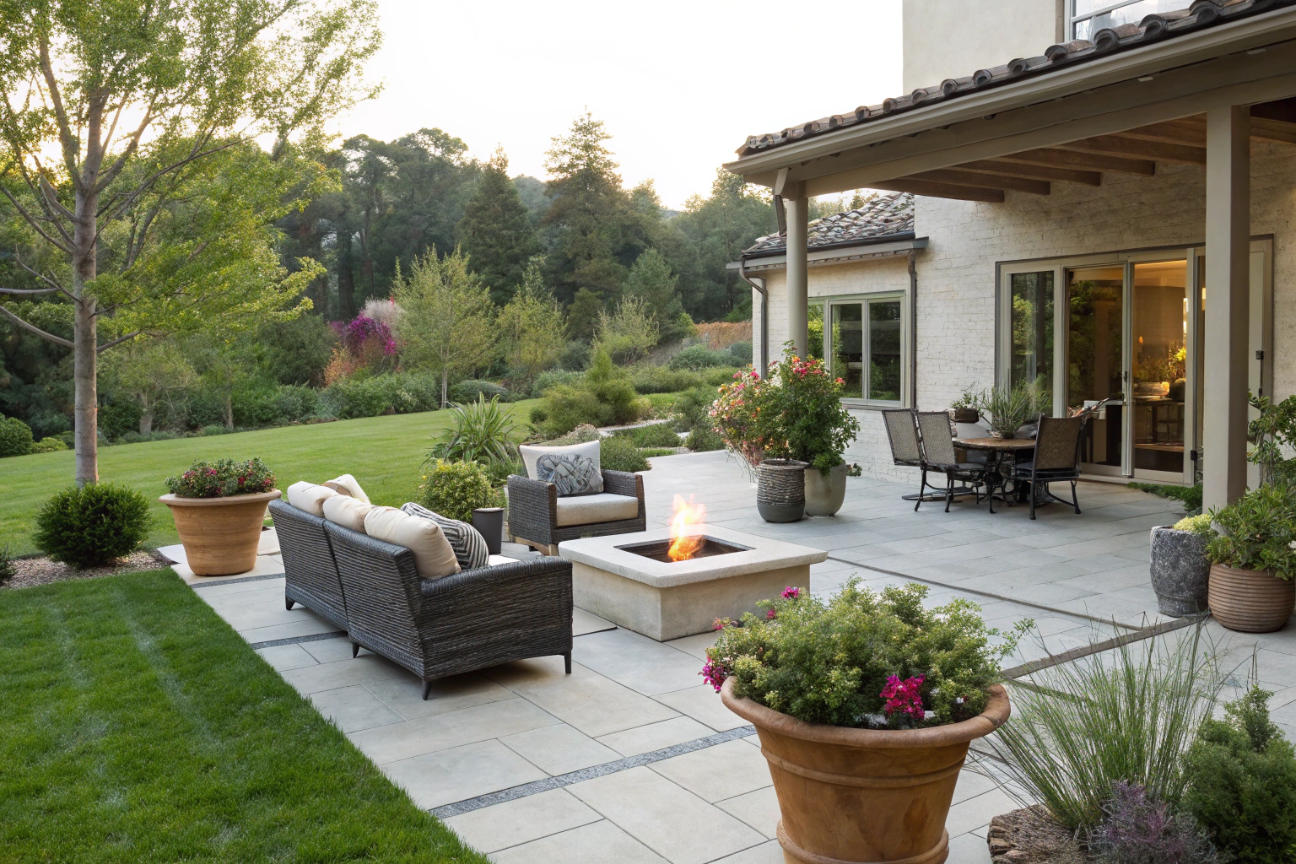
A fire feature does something that very few patio additions can claim: it changes behavior. People who add a fire pit to their patio use their outdoor space differently. They stay out later. They sit closer together. Conversations run longer. There’s something about fire that slows people down in a way that no furniture arrangement manages.
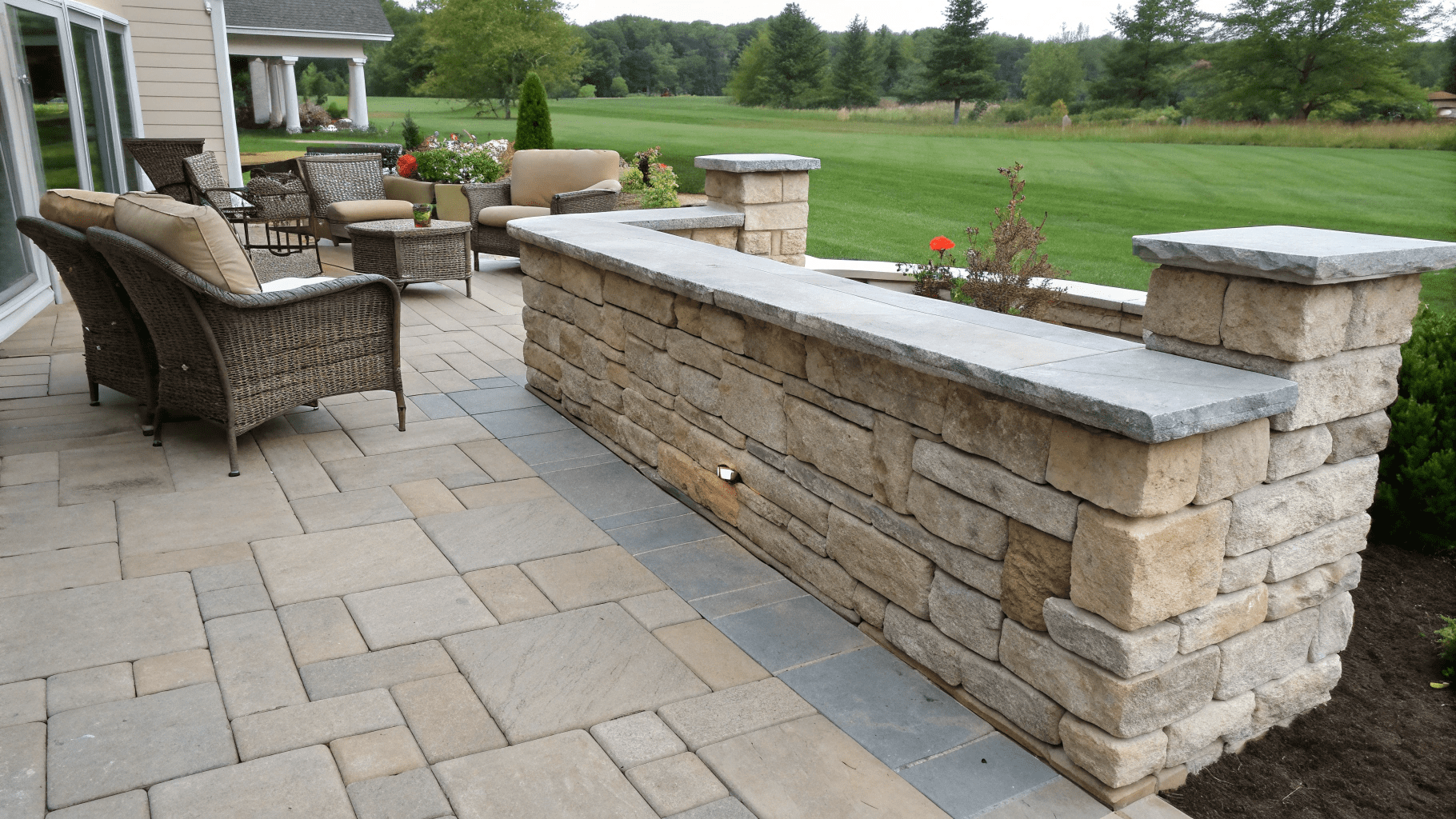
The question isn’t really whether to add a fire feature — it’s which type fits your space and how you use it.
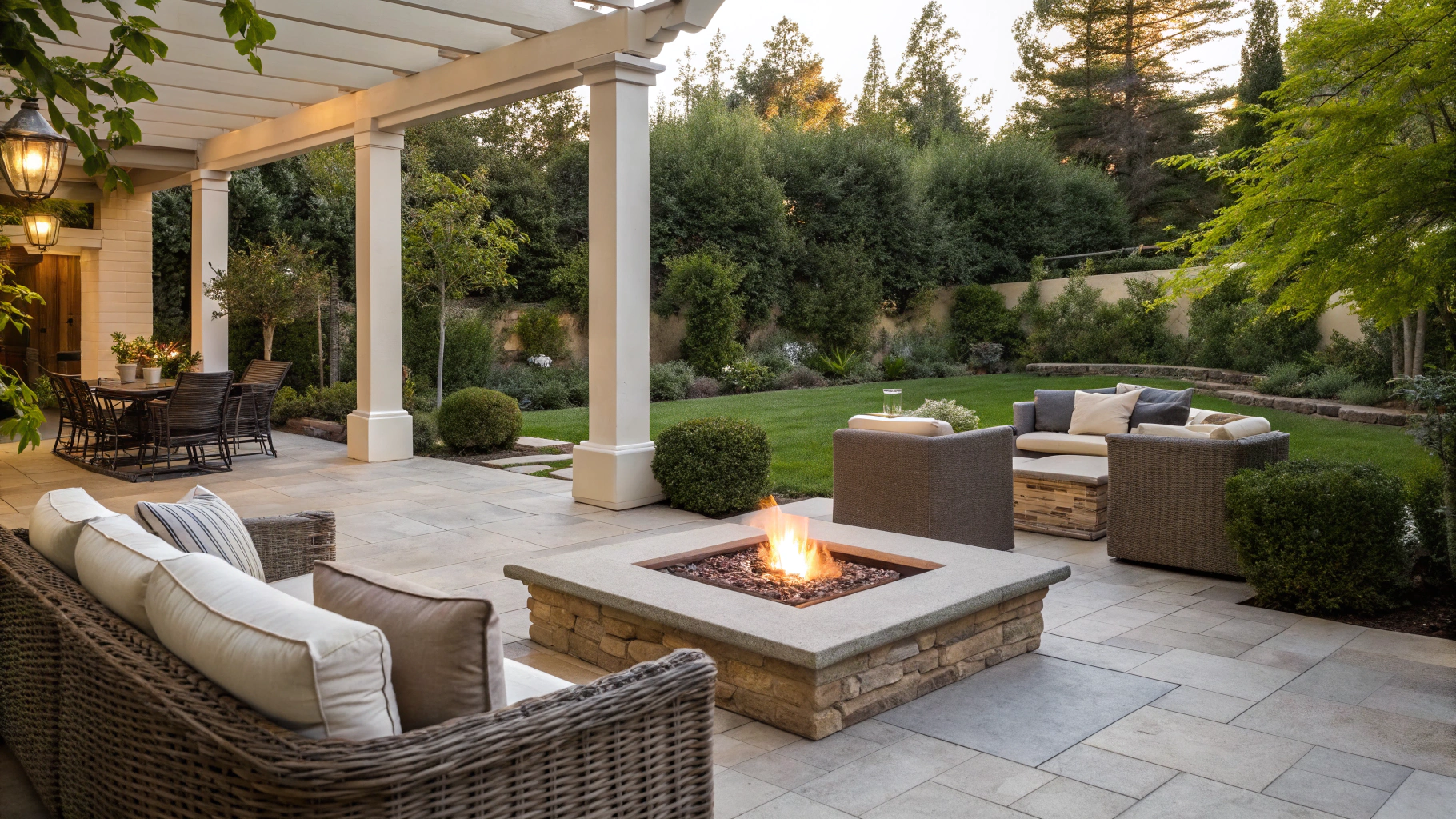
Built-in fire pits are the premium choice. Set into the patio surface with a stone or concrete surround, they become a permanent architectural feature rather than an accessory. They require planning (gas line access if you’re going gas, proper clearances, possibly a permit), but the result looks intentional in a way that portable options never quite match.
Fire tables are the practical middle ground: a usable surface that doubles as a fire feature. Somewhere to set drinks, rest a plate, gather around. They work well in dining-adjacent configurations where a traditional fire pit would take up too much floor space.
Outdoor fireplaces are the statement option. A full chimney-and-firebox structure becomes a wall, a focal point, the thing the entire patio organizes itself around. For larger spaces and homeowners who want the patio to feel like an actual room, it’s hard to beat. Patio remodel ideas with fire features covers the full range with real cost and installation considerations.
Should You Add an Outdoor Kitchen? (The Honest Answer)
An outdoor kitchen is the upgrade most homeowners dream about and fewer than expected actually use.
Before you budget for one, answer this question: do you currently grill outside regularly — at least once a week during the warm months? If the honest answer is no, an outdoor kitchen probably won’t change that. The limitation isn’t the equipment; it’s the habit.
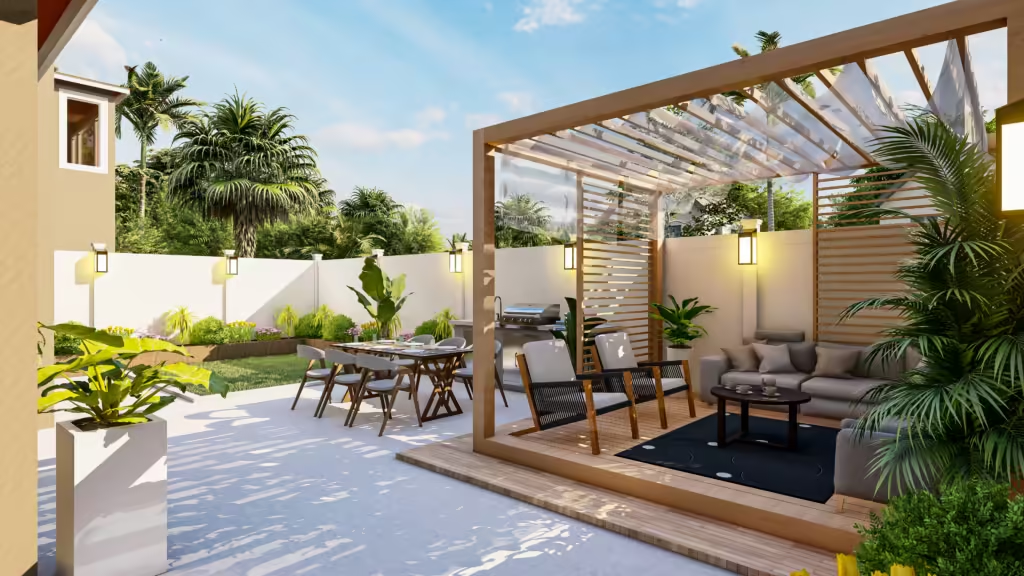
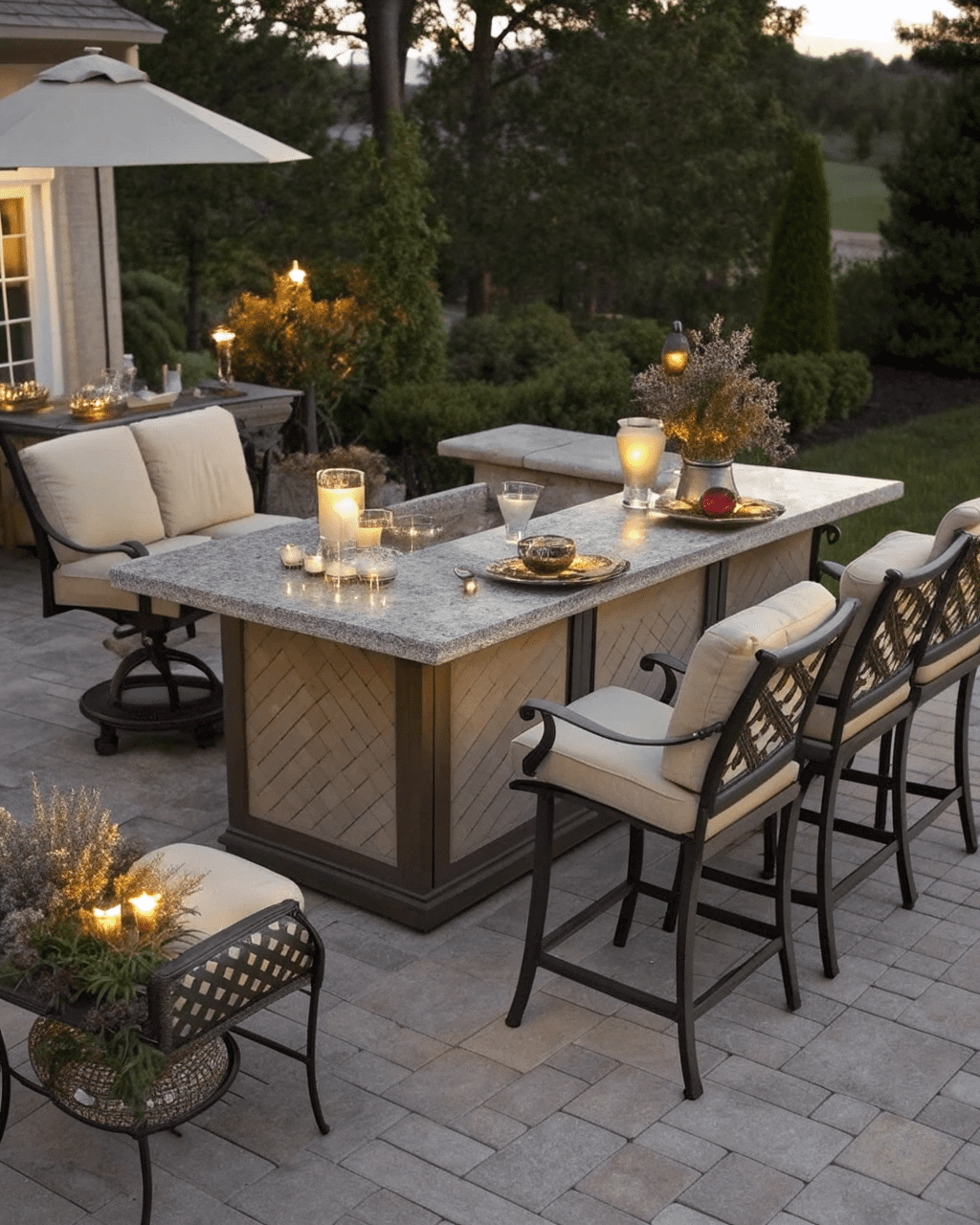
If the honest answer is yes, then an outdoor kitchen is a genuinely transformative upgrade. Moving cooking infrastructure outside means the house doesn’t heat up, the smell of grilling doesn’t penetrate the interior, and the cook is part of the gathering rather than isolated in the kitchen.
What an outdoor kitchen actually needs: a built-in grill, flanking counter space for prep, and covered storage. A small prep sink with plumbing access. A refrigerator if you’re entertaining regularly.
What it doesn’t need: every appliance you saw on a showroom floor. The pizza oven sounds great until you calculate how often you’d use it. The outdoor dishwasher sounds practical until you consider that handwashing a few plates takes thirty seconds.
Start with the essentials. You can always add. Patio remodel ideas with outdoor kitchens lays out what makes outdoor cooking genuinely functional versus just impressive on paper.
Built-In Seating: Why It’s Worth Doing Right
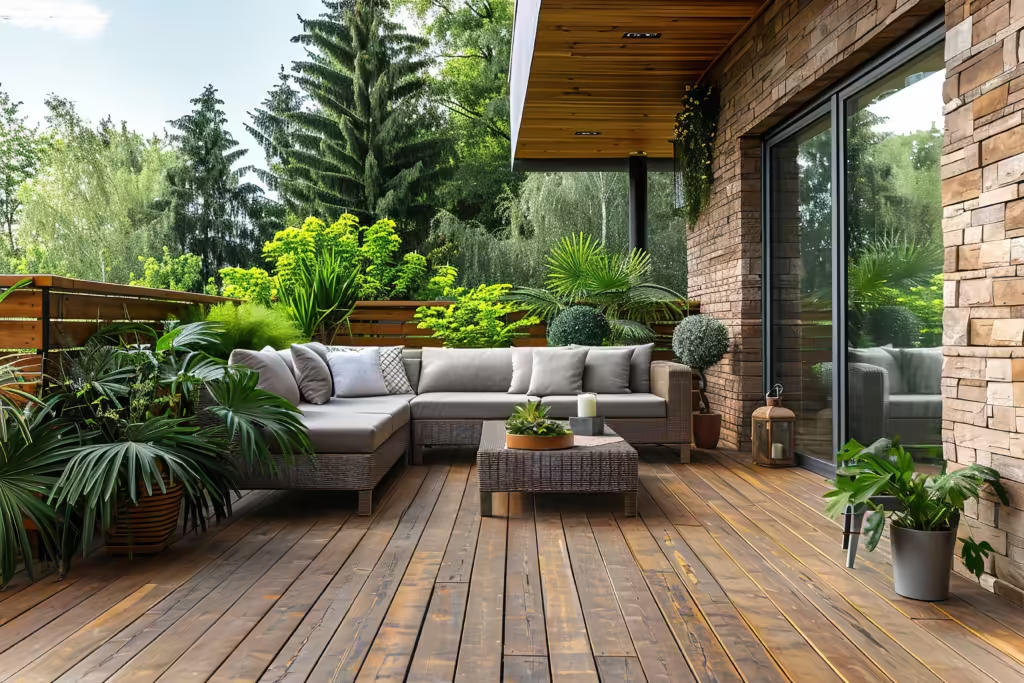
Moveable furniture is flexible. Built-in seating is permanent. That sounds like a downside until you realize what it actually delivers: seating that reads as architecture rather than accessory, that’s more space-efficient, that never blows over in a storm, and that doesn’t need to be dragged inside every winter.
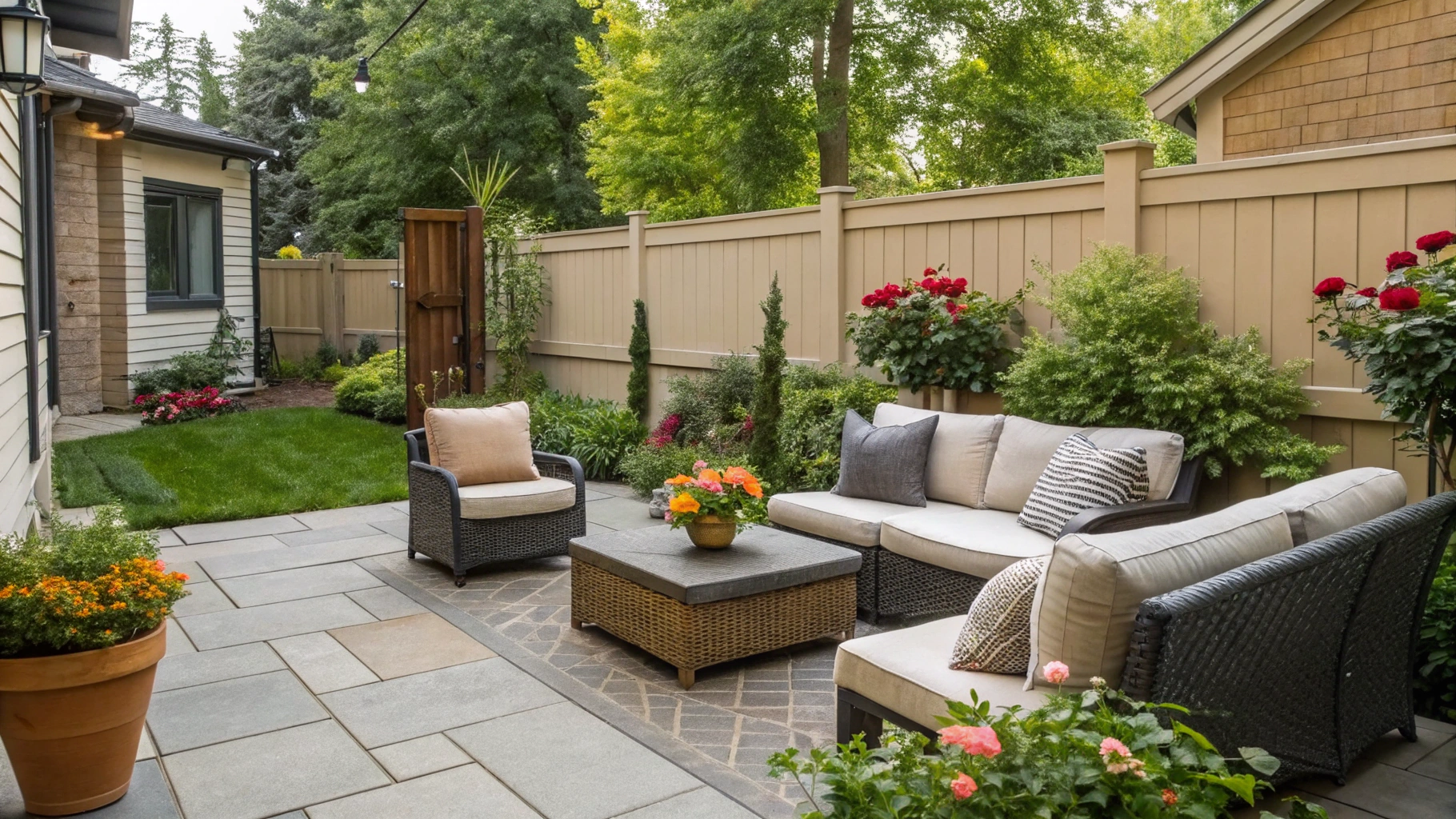
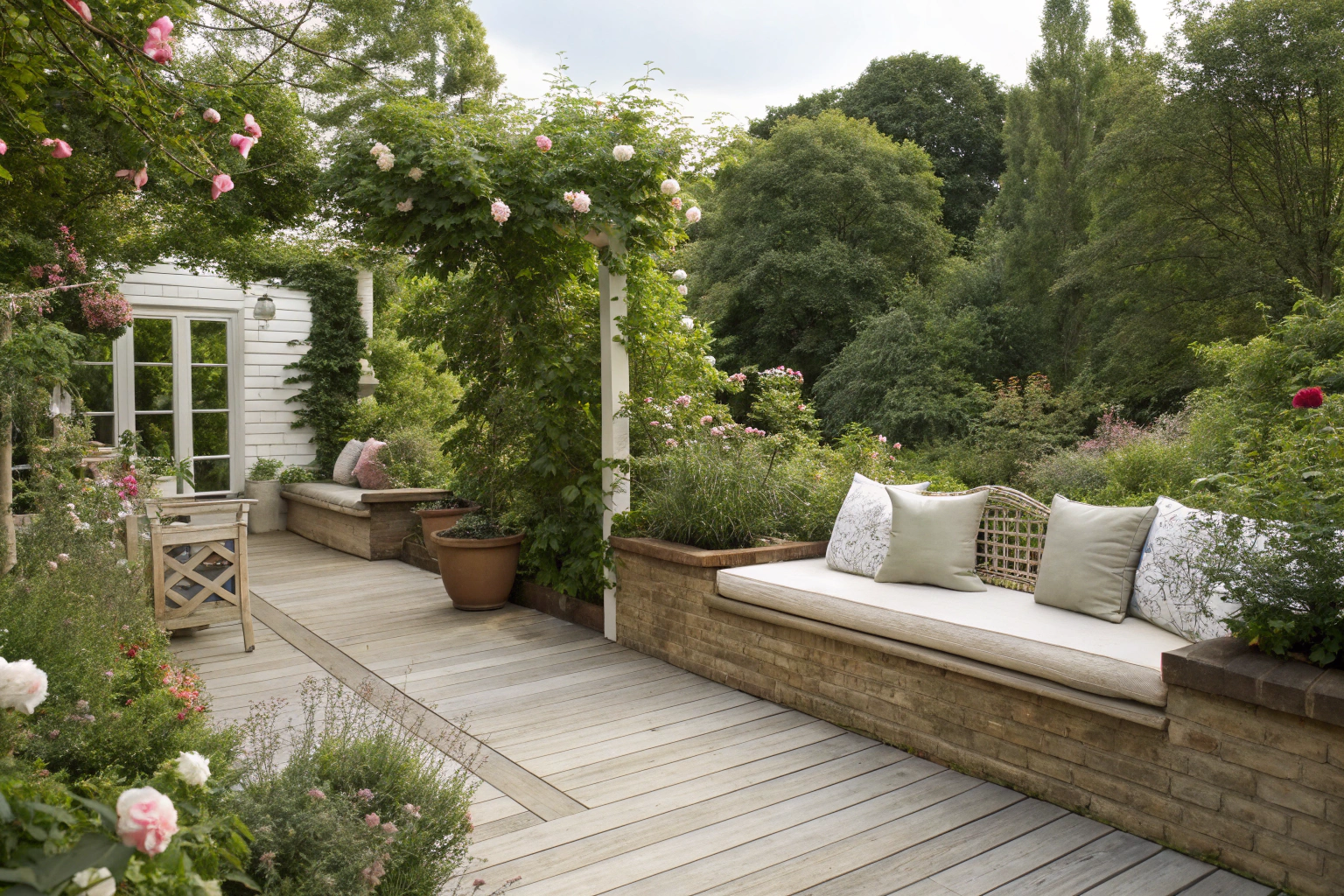
The best built-in seating configurations are ones that work with the natural geometry of the space. A bench along a retaining wall uses space that would otherwise be dead zone. A curved sectional built around a fire pit creates a natural gathering configuration that every furniture arrangement tries and fails to approximate.
Hidden storage is the feature people are most grateful for after the fact. A bench seat with a lift-off cushion and a waterproof storage box underneath solves the perennial patio problem: where do the cushions go when it rains? Where do you put the outdoor games, the extra candles, the tablecloth?
For design approaches and material options that look finished rather than homemade, patio seating remodel ideas with built-ins is worth a close read before you commit.
Using Natural Stone Without It Looking Like Every Other Patio
Natural stone is the material that earns its price point. Not because it’s cheaper than alternatives — it usually isn’t — but because it genuinely improves with age in a way that manufactured materials fake and never achieve. A flagstone patio at twenty years has patina. A concrete paver patio at twenty years has wear.
The trap with natural stone is playing it too safe: choosing one stone type, laying it in a grid, and ending up with a surface that looks like a tile showroom floor in the backyard.
What makes stone patios look genuinely sophisticated is how materials are combined. Flagstone walking surfaces with gravel joints that allow planting between them. A bluestone dining area transitioning to decomposed granite around a fire pit. Stacked stone raised planters that use the same material as the retaining wall.
Slip resistance is not optional. Any stone specified for an outdoor patio needs a textured, honed, or flamed finish — not polished. Wet polished stone is dangerous, full stop. Natural stone patio remodel ideas covers the practical considerations alongside the aesthetic ones.
Greenery Integration: The Difference Between a Patio and an Outdoor Room
A patio surrounded by hard surfaces feels like a parking lot with nicer furniture. Plants are what turn it into a room.
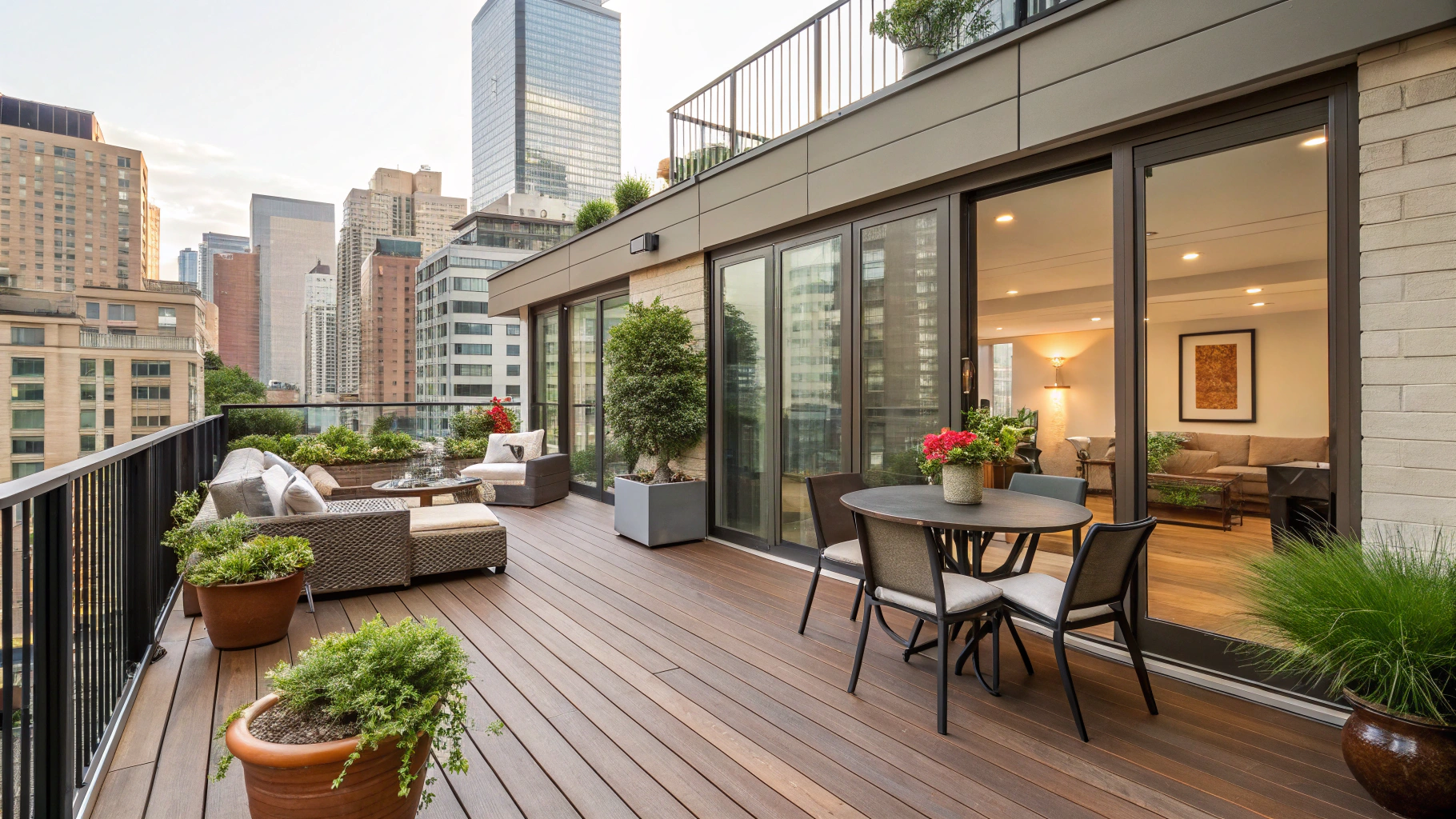
The most effective greenery integration isn’t container pots dotted randomly around a patio — it’s plants built into the structure of the space.
Planting pockets in the patio surface — small openings left in the paving where ornamental grasses, herbs, or low ground covers can grow — soften hard surfaces from the inside out. They look intentional and architectural rather than added on.
Raised planters at the patio’s edge create a defined boundary while producing a wall of greenery that provides privacy, filters wind, and frames the space. Built from the same material as the patio surface, they feel like part of the design rather than a separate element.
Vertical planting on pergolas and fences delivers shade, fragrance, privacy, and beauty simultaneously. Jasmine on a pergola provides filtered shade in summer and scent on warm evenings. A bamboo hedge along a fence line blocks a neighbor’s view within two growing seasons.
Patio remodel ideas with greenery integration covers which plants actually thrive in patio conditions — because the worst outcome is installing beautiful planting that dies by the end of summer.
Remodeling a Small Backyard: Rules That Actually Help
Small backyards have a specific failure mode: the homeowner treats “small” as an instruction to make everything smaller, and ends up with a miniaturized version of a large patio that feels cramped from every angle.
The correct response to a small backyard is almost the opposite: be bolder, not more timid.
One strong patio that takes up more of the space reads better than multiple partial areas that are each too small to feel usable. A 15×20 patio in a 20×25 backyard feels generous. A 10×12 patio in the same space surrounded by a strip of struggling lawn feels like an afterthought.
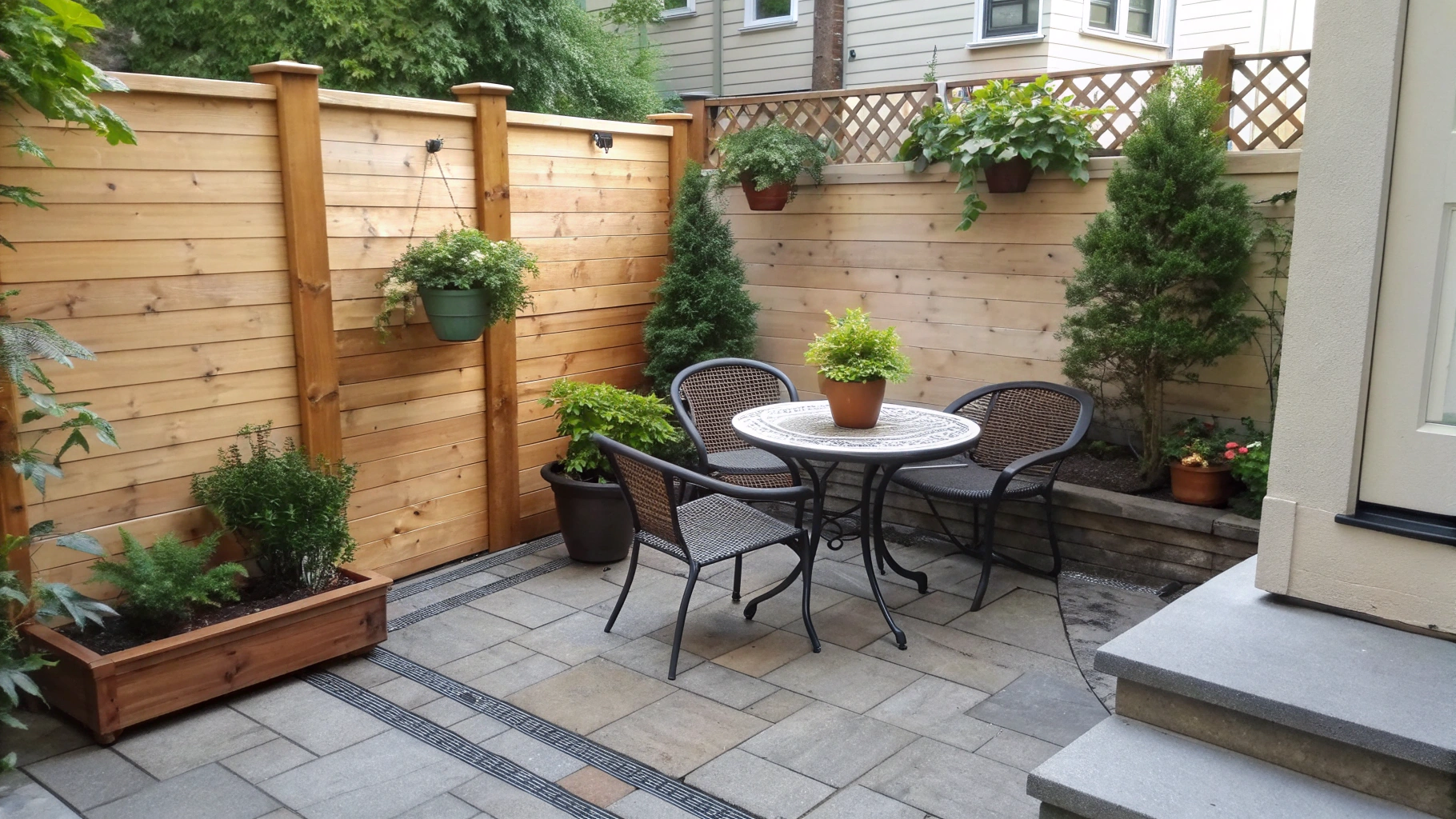
Vertical elements are your best friend. A tall fence covered in climbing plants, a pergola that draws the eye up, a water feature mounted to a wall rather than sitting on the ground — these make a small space feel taller and more expansive, even if the footprint hasn’t changed.
Multi-use everything. Built-in bench with storage. A table that extends when needed. A planter that doubles as a privacy screen. Every element in a small space should earn its place by doing more than one job.
Patio remodel ideas for small backyards and small patio remodeling ideas that maximize space go deep on the specific techniques that make compact spaces feel genuinely generous.
Budget Reality: What You Can and Can’t Cut Corners On
Here’s the truth about patio remodel budgets that most guides won’t tell you: there are places where cutting cost is smart, and places where cutting cost creates regret that lasts fifteen years.
Don’t cut corners on
The base and drainage. The most common reason patios fail — pavers lifting, surfaces cracking, water pooling — is a poorly prepared base. This is invisible when it’s done right. It’s very visible when it’s done wrong.
The shade structure foundations. A pergola post sitting on a proper footing will still be standing in thirty years. One set in a posthole with inadequate concrete will start to lean within five.
The primary surface material. You’re going to look at this every day. And replacing it is expensive.
Cut costs here instead
Furniture. Outdoor furniture from estate sales, end-of-season sales, and secondhand marketplaces is often genuinely better quality than new budget options. A solid cast-iron table bought secondhand will outlast three rounds of cheap aluminum furniture.
Lighting. Solar string lights have become genuinely good. High-end landscape lighting is beautiful, but affordable alternatives look similar on a warm evening.
Decor. Planters, cushions, outdoor rugs — these are easy to change and inexpensive to upgrade later.
For practical approaches to keeping costs down without sacrificing the result, both budget patio remodel ideas that feel luxurious and DIY patio remodel ideas on a budget are worth reading alongside each other.
Pulling It All Together: The Decisions in Order
Here’s the sequence that prevents the most common mistakes:
1. Define your primary use case. (One specific answer, not “all of the above.”)
2. Establish your size and layout. Too small is more expensive to fix than too large.
3. Sort the drainage and base. Before you choose a single material.
4. Choose your surface. Everything that goes on top of it follows from this.
5. Decide on overhead structure. Shade or cover — but decide now, not after the patio is built.
6. Plan built-in elements. Fire features, kitchen infrastructure, built-in seating — these require structural planning that can’t be easily added later.
7. Add lighting, planting, and furniture last. These are the finishing layer, not the foundation.
If you follow this sequence, you’ll end up with a patio that works the way your life actually works. One you use constantly because it was built around how you actually spend time outdoors — not around how you imagined you might.
That’s the difference between a patio remodel you’re proud of and one that just sits there looking fine.
This is your jumping-off point. Explore the full library: from patio remodel ideas that transform outdoor living to specifics on shade, covered structures, fire features, outdoor kitchens, built-in seating, natural stone, and more.

- Patio Remodel Ideas: The Complete Guide to Planning a Backyard - May 5, 2026
- How to Clean Patio Cushions: The Complete Guide to Keeping Them Fresh - April 30, 2026
- What Is a Patio? Everything You Need to Know Before You Build One - April 30, 2026