13+ Patio Roof Extension Ideas to Expand Your Space
A patio roof extension is one of the most transformative upgrades you can make to your outdoor space.
It turns a patio you use occasionally into one you use all year round, in sun, shade, and light rain, without the compromise of being fully enclosed indoors.
These ideas cover every style, every budget, and every structural approach so you can find the right solution for your home.
Why a Patio Roof Extension Is Worth Every Penny
Most homeowners think of a patio roof extension as a luxury. In reality, it is one of the most practical and highest-return outdoor investments you can make. Here is why.
It Extends Your Usable Season Dramatically
An uncovered patio is weather-dependent. You use it when conditions are perfect and abandon it the moment it is too hot, too bright, or threatening rain. A covered patio removes most of those limitations. Shade makes summer afternoons genuinely comfortable. A solid or semi-solid roof keeps light rain out entirely. A well-designed roof extension with sides open to the breeze makes your patio usable in weather that would send you indoors from an open space.
In most US climates, a covered patio extends the comfortable outdoor season from perhaps three or four months to eight or nine. That is a significant difference in how much value you get from the space and the investment you have made in it.
It Creates a Genuine Outdoor Room
The combination of a floor, furniture, and an overhead roof structure is what transforms a patio from an area outside into an outdoor room. The psychological shift that happens when a space has a ceiling is profound. It feels defined, sheltered, and habitable in a way that an open space simply does not. A patio roof extension is the single addition that most powerfully creates this outdoor room quality.
It Protects Your Furniture Investment
Quality outdoor furniture is not inexpensive and even the best weatherproof materials degrade faster under prolonged UV exposure and repeated wetting and drying cycles. A roof extension dramatically reduces these exposures and extends the life of your furniture investment significantly. Cushions, in particular, benefit enormously from being under cover.
It Adds Value to Your Property
A well-designed, well-constructed patio roof extension adds genuine market value to a property. It increases the effective living area of the home, improves its outdoor appeal, and is a feature that buyers notice and value. A poorly built or visually discordant addition does the opposite, which is why choosing the right design approach for your home’s architecture matters.
What to Consider Before Planning a Patio Roof Extension
Getting the planning right before you break ground is the difference between a project that delivers exactly what you hoped for and one that creates problems you spend years trying to fix.
Permits and Building Codes
This is the first thing to investigate, not the last. In most US states and municipalities, any roof structure attached to a residential building requires a building permit. The permit process exists to ensure the structure is safely designed and built, properly attached to the existing building, correctly drained, and compliant with local setback and height rules.
The consequences of building without a permit range from being required to demolish the structure to complications when you come to sell the house. Always confirm permit requirements with your local building department before any design work begins.
The Structural Connection to the House
A patio roof extension attached to the house must be properly connected to the existing structure. The ledger board or connection point where the new roof meets the house wall is a critical structural and weatherproofing detail. Done incorrectly, it is a water ingress point that causes serious damage to the house structure over time and a structural weak point that can fail in high wind or snow load. This connection must be engineered correctly, which usually means professional involvement at the design stage at minimum.
You May Also Love
Drainage and Guttering
A roof extension collects significant volumes of rainwater that must be directed away from the house foundations and the patio floor. Guttering, downpipes, and a plan for where the water discharges are essential design elements, not optional extras. Water dumped directly off the edge of a patio roof onto the ground immediately next to the house foundations will cause drainage problems over time.
The Impact on Natural Light Inside
A patio roof extension attached to the house shades the windows and doors it sits in front of. For rooms that already have good natural light from multiple directions, this may be inconsequential. For rooms that rely on rear-facing windows as their primary light source, a solid roof extension can noticeably darken the interior, and the passage behind those doors is where hallway lights have to cover the gap. Glass or translucent panel options address this concern but add cost.
Matching the House Architecture
A patio roof extension that fights with the architecture of the house rather than complementing it is one of the most common and most damaging outdoor design mistakes. The pitch of the roof, the materials used, the proportion of posts or columns, and the overhang detail should all relate to the existing house. An extension that looks designed as part of the house, even if it was added years later, adds value and visual quality. One that looks bolted on as an afterthought does the opposite.
Patio Roof Extension Ideas for Different Home Styles
The right roof extension design for your home depends on the architecture of the house itself. Here is a guide to the best approaches for the most common residential styles.
Traditional and Colonial Homes
A gabled roof extension with a pitch that matches or complements the main house roof, clad in the same roofing material, is the most appropriate and architecturally cohesive choice for a traditional or colonial home. Painted timber columns, a beadboard ceiling, and guttering that matches the house guttering profile all contribute to an extension that looks completely at home.
Don't miss: 12+ Stunning Pergola Patio Ideas for Shade →
Ranch and Craftsman Homes
A shed roof extension with a moderate pitch and deep overhangs suits the horizontal emphasis of ranch and craftsman architecture well. Timber or timber-look posts at generous spacing, an open beam or tongue-and-groove timber ceiling, and materials that echo the existing exterior cladding create a natural extension of the house’s character.
Contemporary and Modern Homes
A flat or near-flat roof extension in aluminium or concrete with a minimal profile and clean, undecorated details suits contemporary architecture best. Slim steel posts or a cantilevered structure with no visible supports at all creates the most dramatic and architecturally bold result. Glass, polycarbonate, or aluminium louvre panels are the roofing materials that work best in this context.
Mediterranean and Spanish Colonial Homes
A tiled roof extension with a low pitch and generous overhang, supported on rendered masonry or painted timber columns, suits Mediterranean and Spanish colonial homes beautifully. Terracotta or clay roof tiles in a warm ochre or burnt orange tone complement these home styles with effortless naturalness.
How to Get the Most Out of a Patio Roof Extension
Building the structure is just the beginning. Here is how to maximise what you get from it once it is in place.
Add Lighting From Day One
Plan your ceiling lighting before the roof is built, not after. Running electrical cables through a finished roof structure is expensive and disruptive. Recessed downlights, a pendant above the dining area, and strip lighting along the beam edges are all far easier and less costly to install during construction. Plan for at least two lighting circuits, one for ambient overhead light and one for accent or task lighting, controlled independently.
Keep Exploring
Consider Heating for Year-Round Use
An infrared ceiling heater mounted to the underside of the roof structure is the most effective way to extend patio use into the cooler months. Infrared heaters warm people and surfaces directly rather than trying to heat the open air, which makes them far more efficient outdoors than conventional convective heaters. Plan the power supply for ceiling-mounted heaters during construction.
Install a Ceiling Fan for Summer Comfort
In warm climates, a ceiling fan mounted to the roof structure keeps the air moving on hot evenings and makes the covered patio significantly more comfortable during summer. It also deters mosquitoes and other insects that are less active in moving air. Always specify an outdoor-rated fan for any covered patio application.
Think About Side Screening
A roof-only extension is open on all sides and exposed to wind-driven rain and wind chill. Adding one or two screening elements, a fixed or operable panel on the prevailing wind side, a retractable blind, a trellis with climbing plants, or a glass or polycarbonate side panel, dramatically increases the usable weather range of the space without fully enclosing it.
Here are 13+ patio roof extension ideas that will assist you in getting the most out of your outdoor area.
1. Gabled Roof Extension
Allied Outdoor Solutions
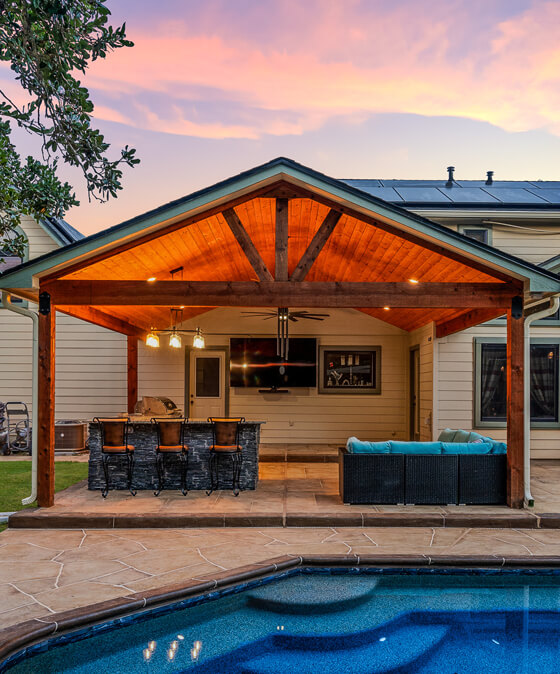
A gabled roof extension has two roof slopes on two sides of a structure that come to a central ridge. It gives a more conventional and classy outlook, along with the benefits of additional headroom and natural lighting solutions.
It is suitable for making the room look more open and can be done alongside large windows or doors to increase openness.
2. Flat Roof Extension
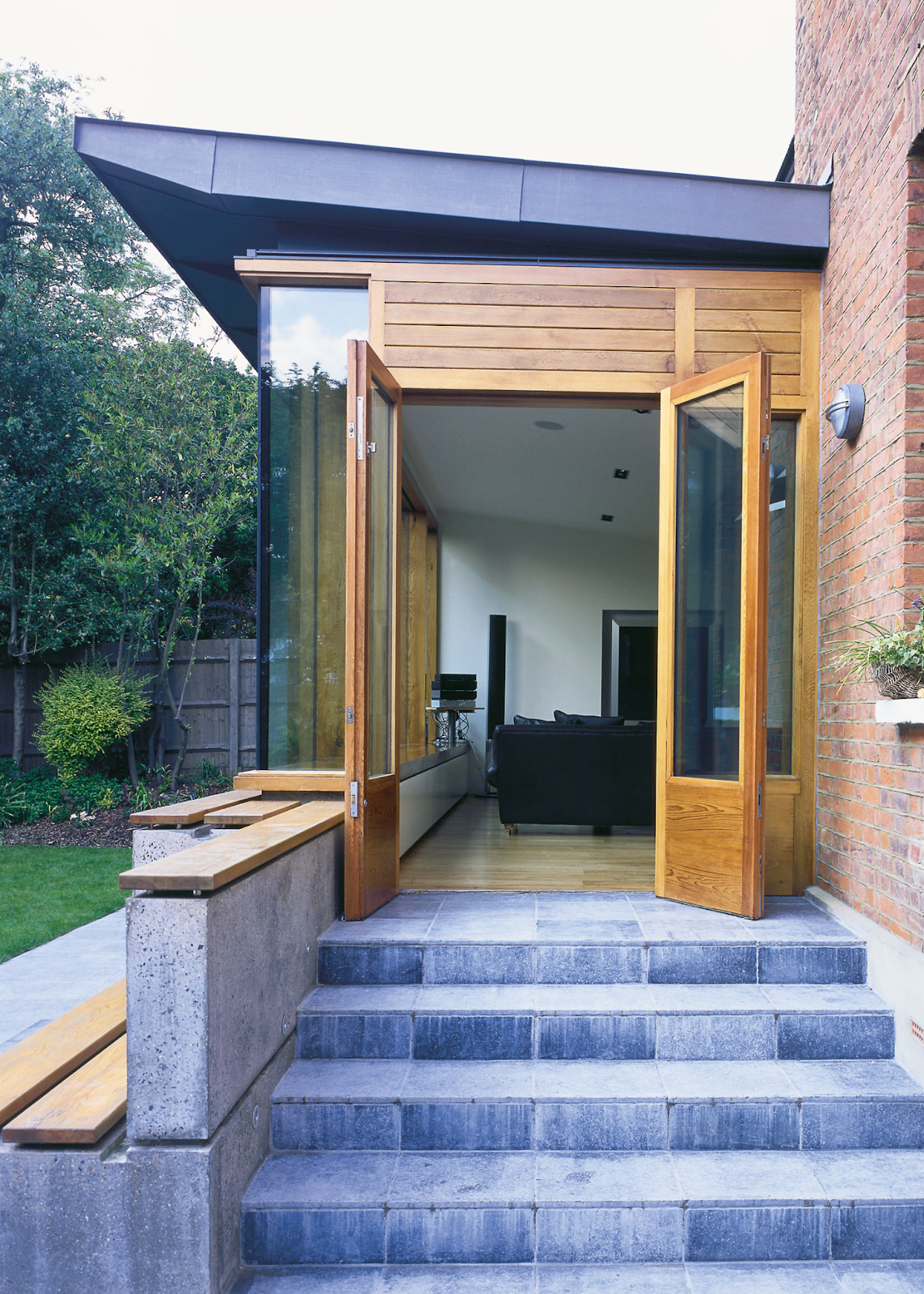
Flat roof extensions are quite modern and simple in design, so they are preferable for many people. This type of house is easy to construct, and it is also easy to include it in other structures.
A smaller type of extension can also be done to achieve a harmonized appearance between your house and your patio.
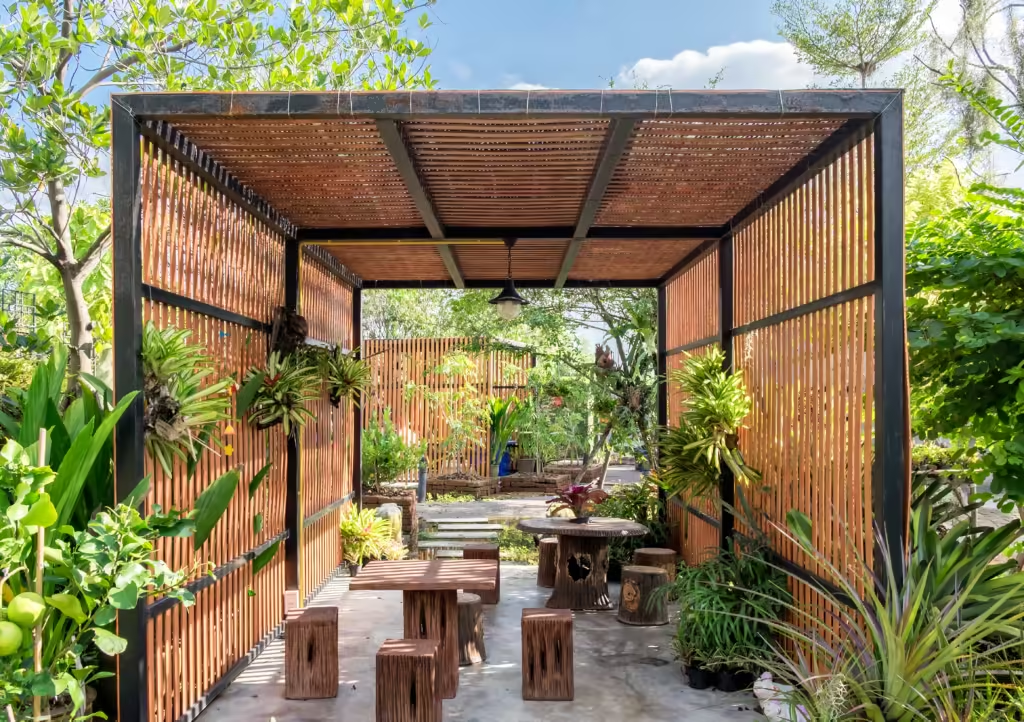
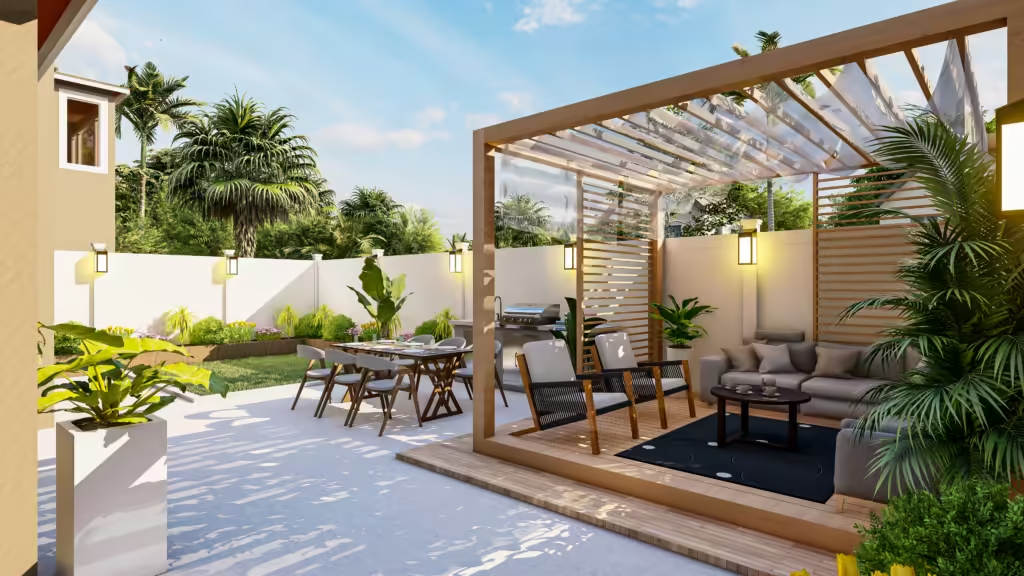
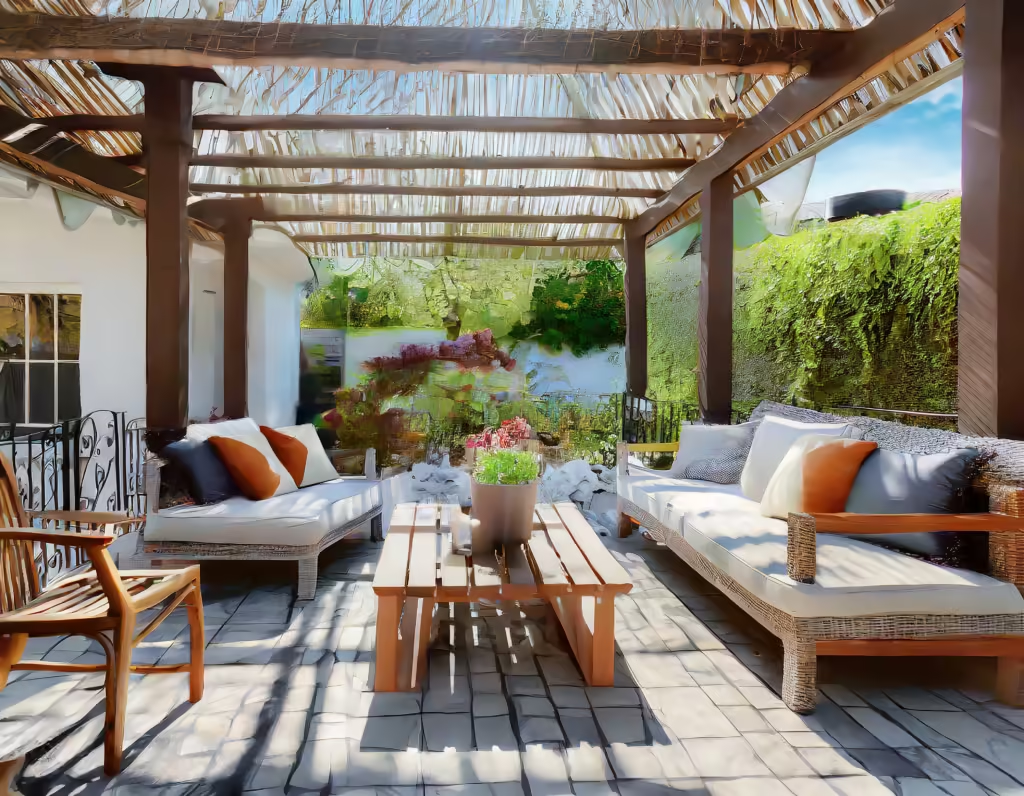
3. Pergola Roof Extension
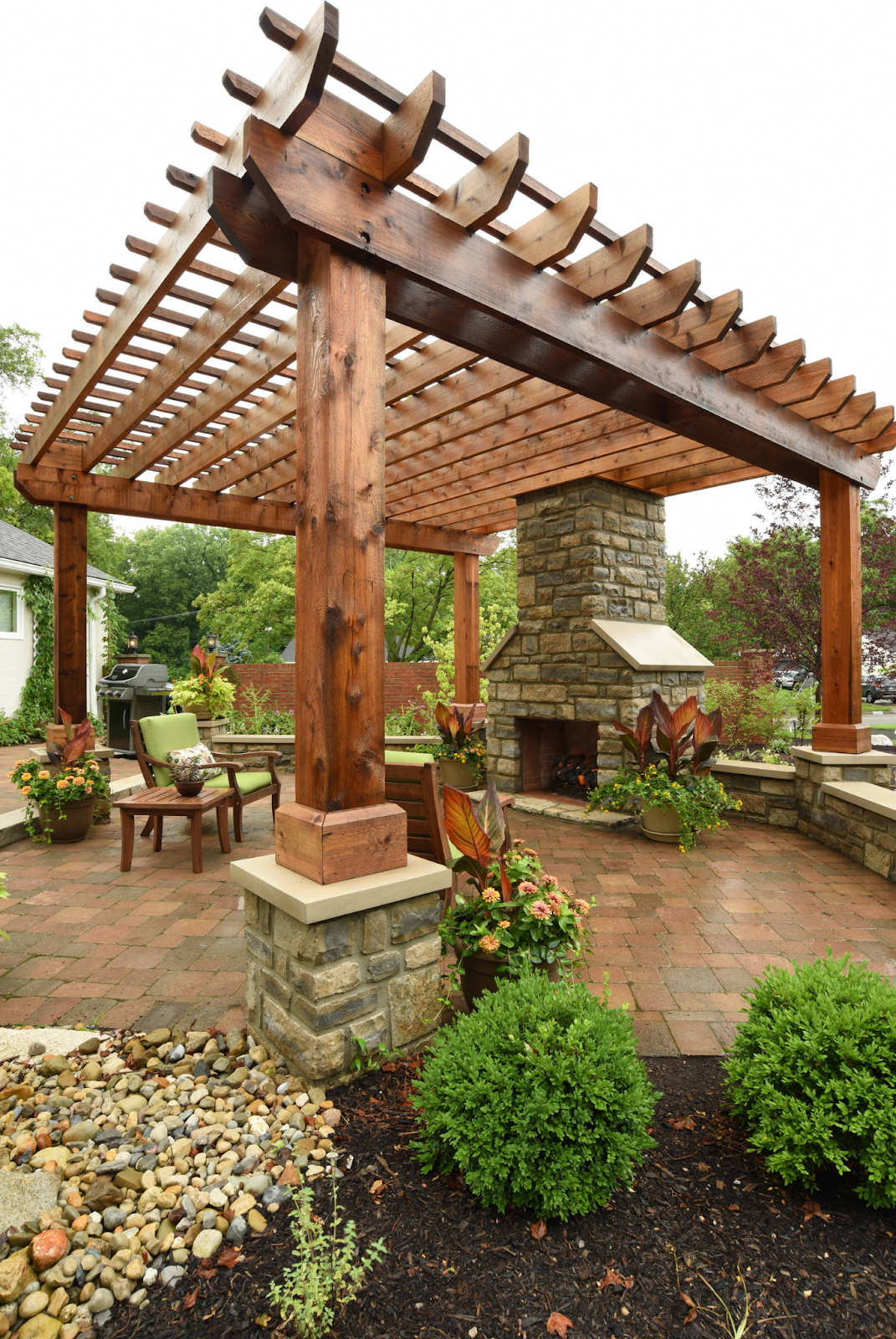
The construction of a pergola roof extension provides a partial cover which provides additional shelter without necessarily closing it off entirely. Pergolas are built with wooden or metal pillars and have climbing plants or curtains for privacy and from the sun.
4. Skylight Roof Extension
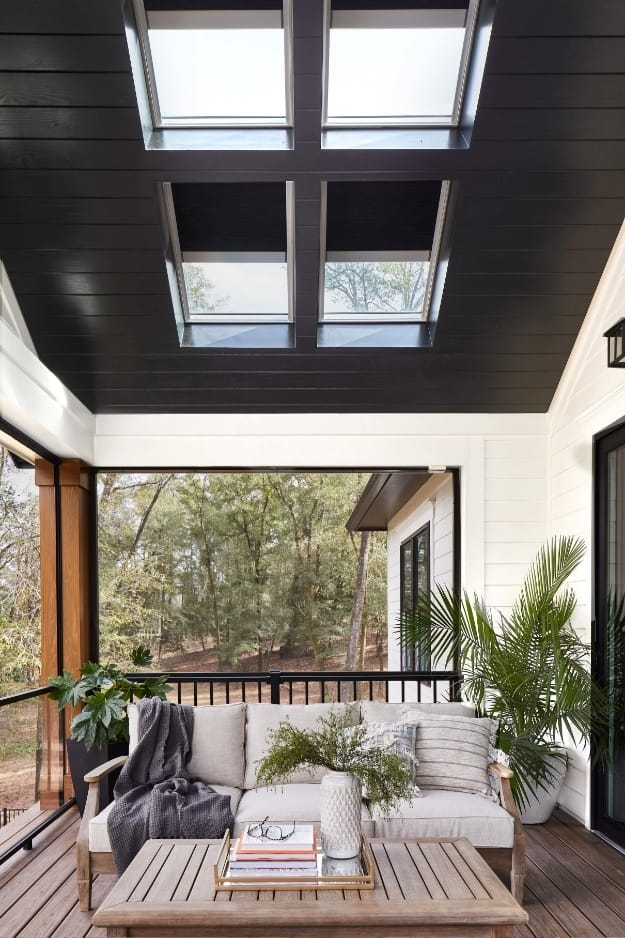
When designing a patio roof extension, using skylights enhances light in the area since the roof will be made of glass. Light shafts can be of different dimensions and forms. They are useful for making spaces more friendly and open.
5. Retractable Roof Extension
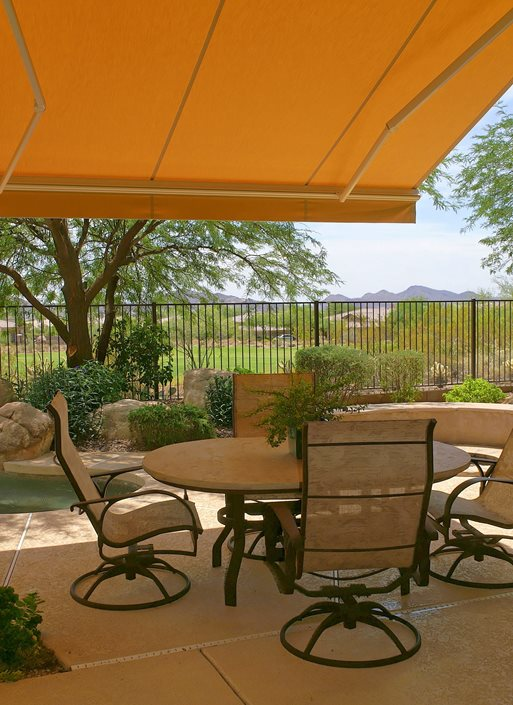
A retractable roof offers relative convenience since one can open or close the roof depending on the prevailing weather conditions.
Such an extension can be made of fabric or glass so that during the rain or sun, shade can be provided when necessary.
6. Glass Roof Extension
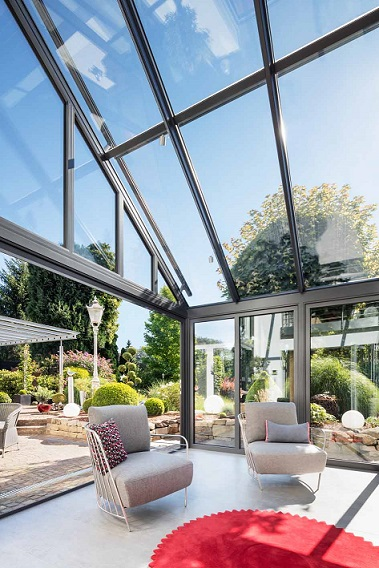
It provides a contemporary and smart appearance to the house; this is because a glass roof extension is being incorporated. It permits the opportunity to view the heavens and the surrounding environment freely but without exposure to the weather. This option is perfect when the homeowner intends to get the most out of the natural light and have a direct interface with nature.
7. Louvered Roof Extension
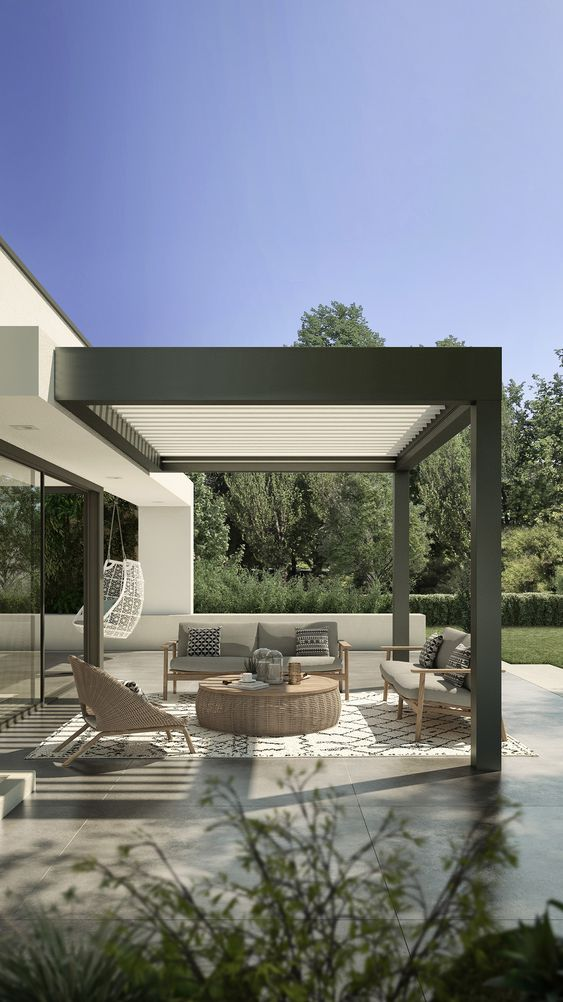
Louvered roofs are basically roofs that incorporate operating blades or slats that can be opened/closed to manage light and air.
This design, however, can be adjusted to accommodate different weather and can provide good coverage with some openness.
8. Aluminum Roof Extension
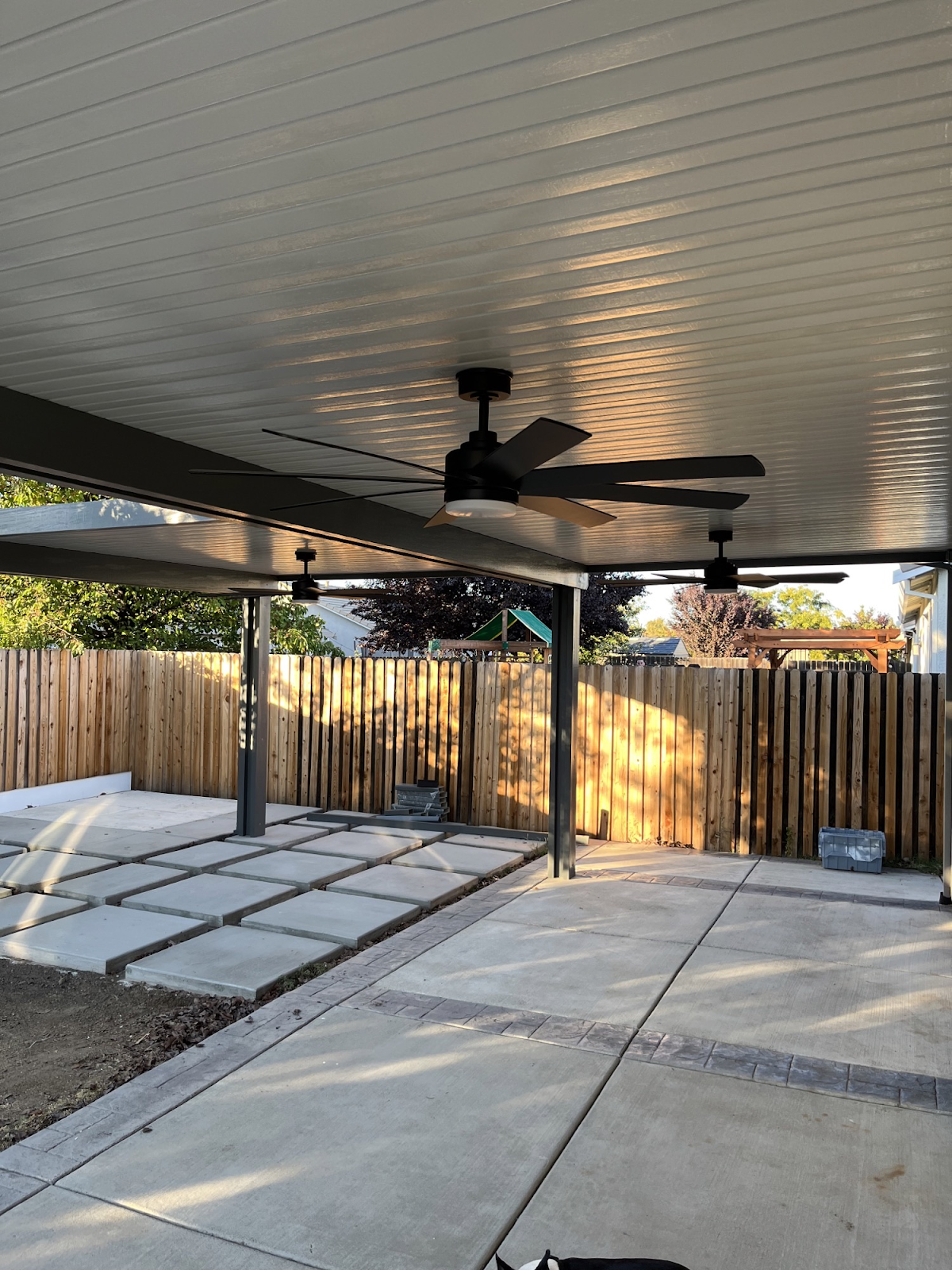
A metal – in this case, aluminium roof extension is long-lasting and does not require frequent attention. It is resistant to weather conditions, and the materials used produce a clean-cut, professional look.
Aluminium roofs also come in a different colour and finish to enhance your already existing patio design.
9. Shade Sail Roof Extension
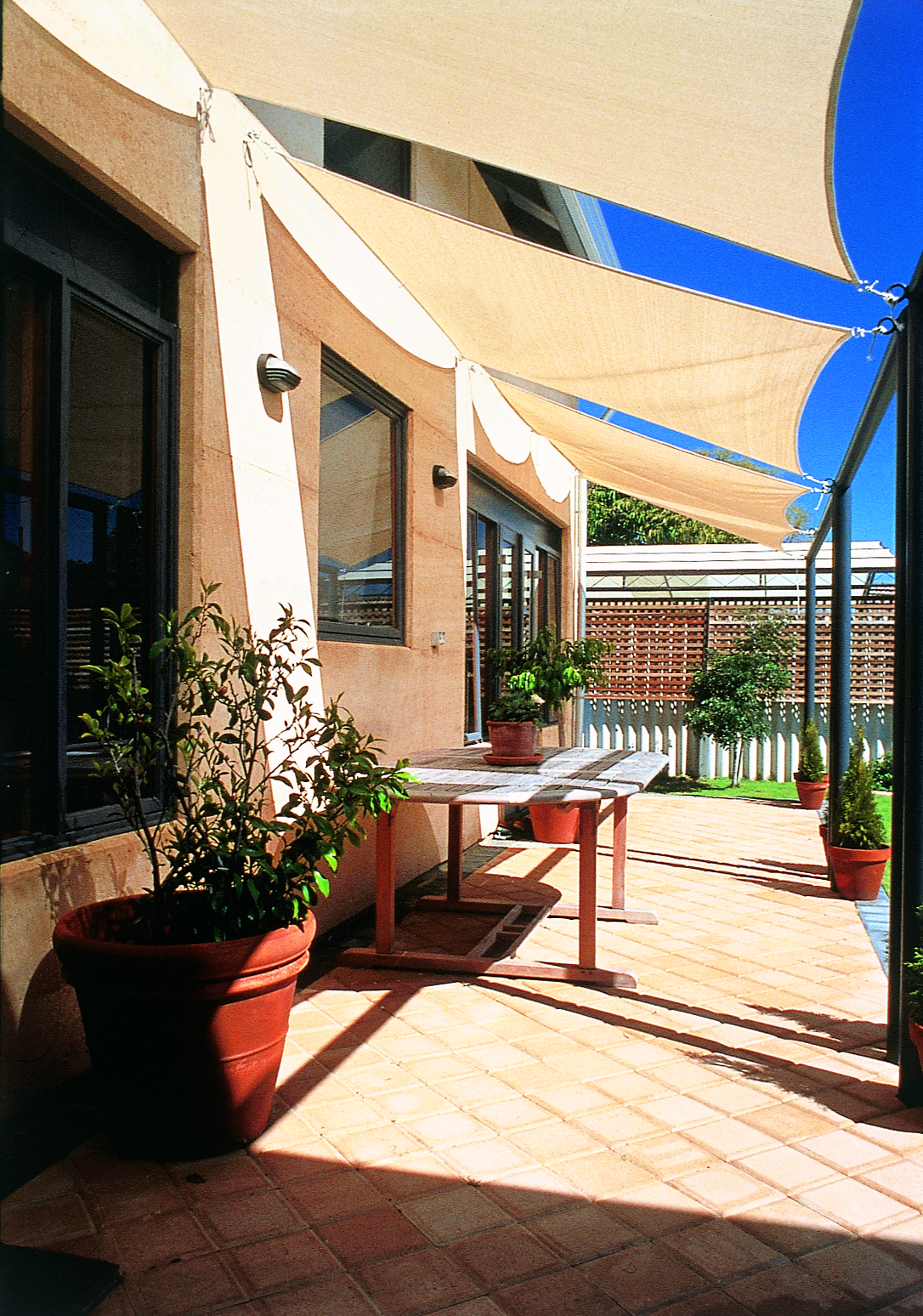
YourHome
Shade sails are an option for roofing products. They are constructed from weather-proof and UV-treated material such as cloth or vinyl stretched across a frame. Shade sails are also very easy to fix and offer a modern, minimalist approach to protecting your patio area.
10. Wooden Roof Extension
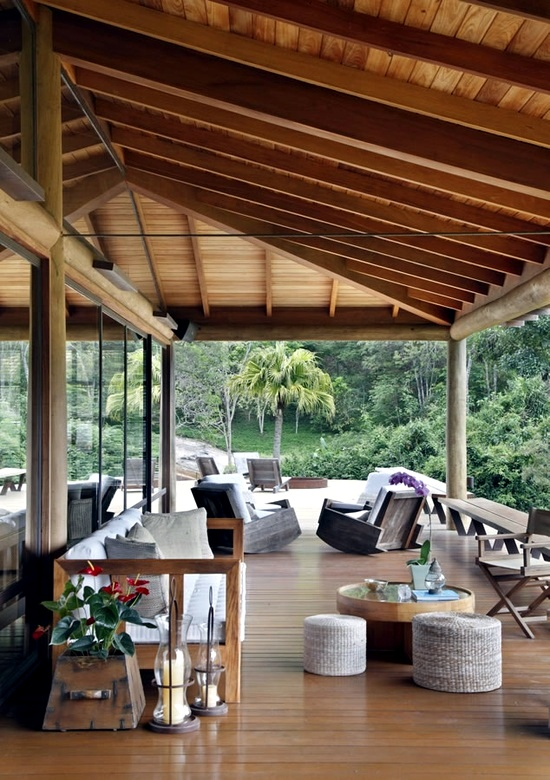
A wooden roof extension is also a traditional and organic design. It can be constructed of different kinds of wood, including cedar or oak, and painted with stains or paints that blend with your patio. Wooden roofs can give your outside space that warm and homely feeling.
11. Metal Roof Extension
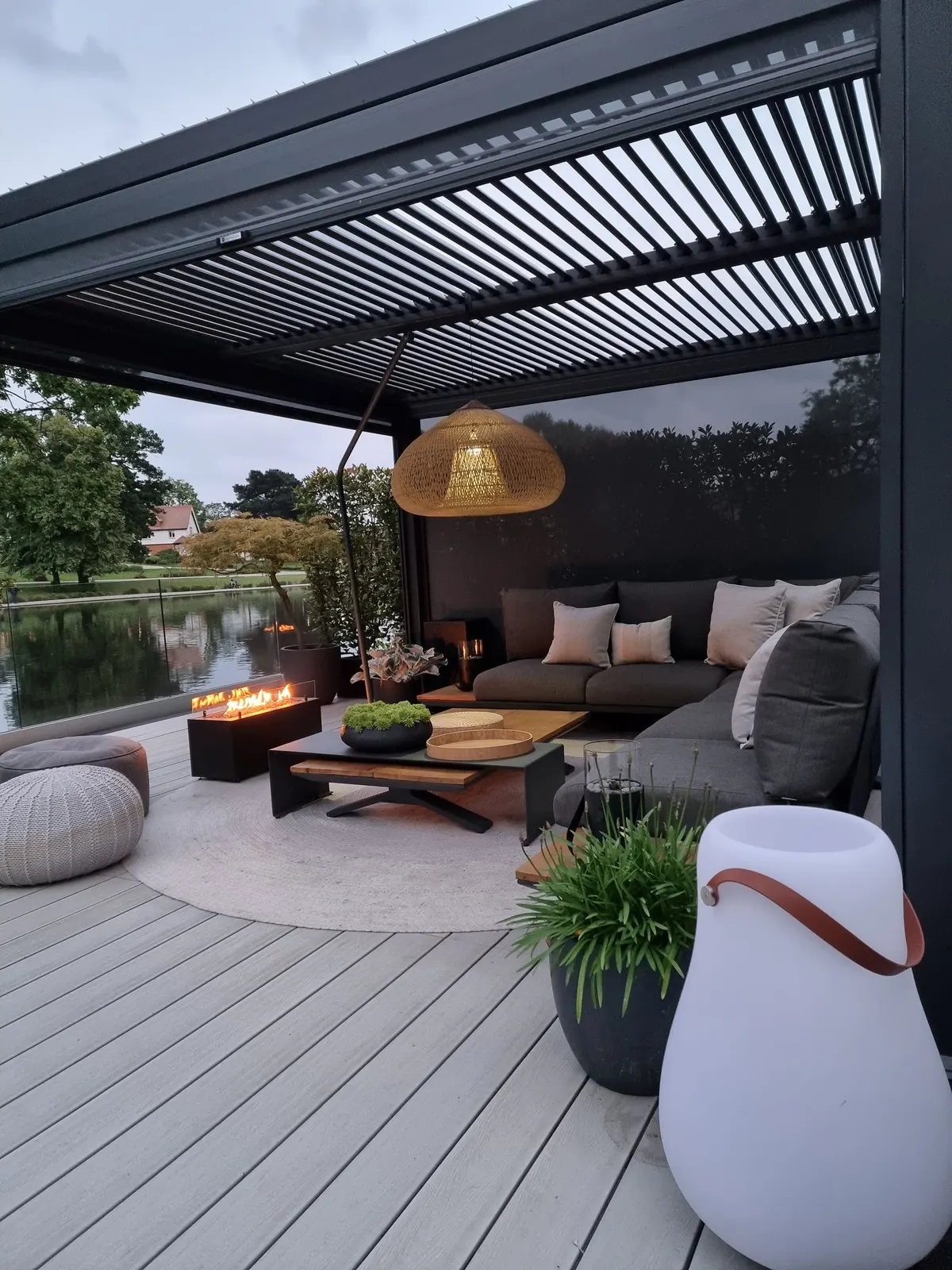
Forbes
Metal roofs are very durable and, therefore, suitable for use in the construction of patios and their extensions. They are manufactured in steel or copper, with or without paint to your preferred colour and style that best suits your needs. Metal roofs are ideal screening systems due to their ability to resist most forms of weather conditions.
12. Green Roof Extension
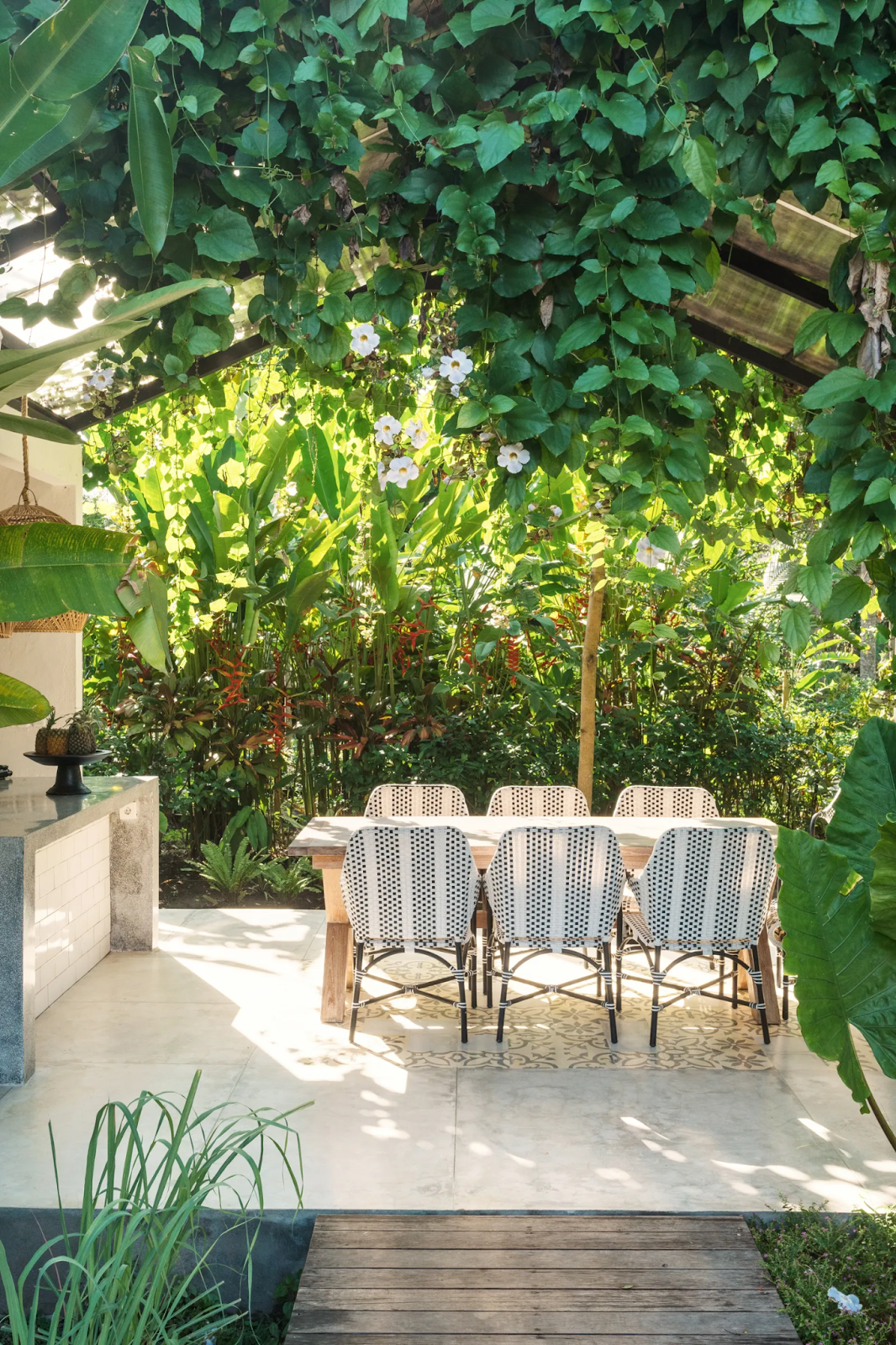
A green roof extension entails the growing of plants on the roof structure of a building. This kind of extension assists in insulation and water management and, in addition, adds an environmentally friendly feature. Thus, a green infrastructure of roofs is dependent on a waterproofing system and a good substrate for plant growth.
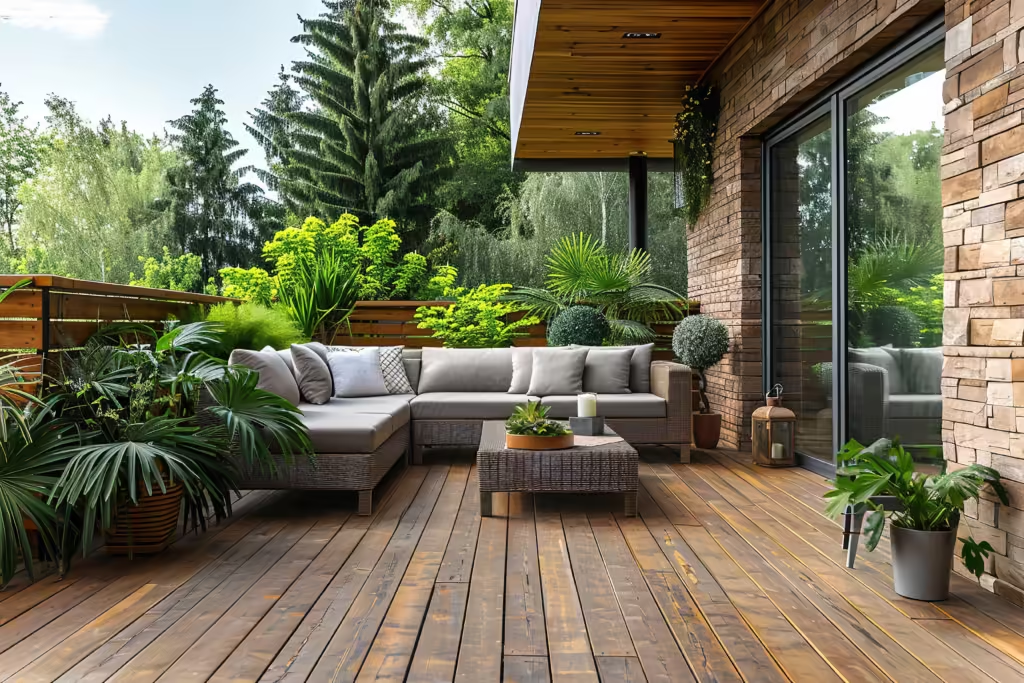
13. Cantilevered Roof Extension
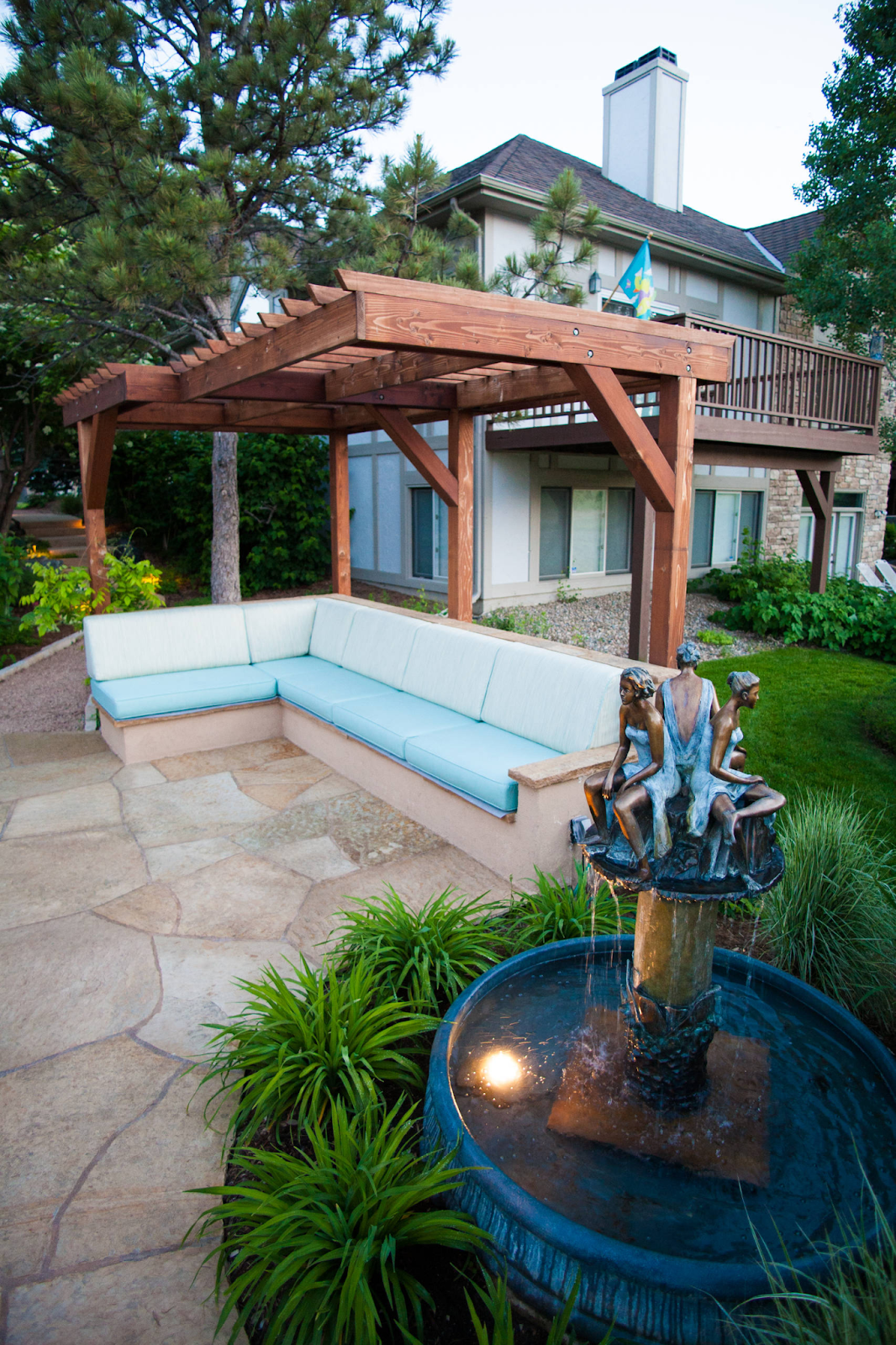
A porch or balcony-like construction is a cantilevered construction in which the new structure juts out from the original building without additional support. This design has an aesthetic appeal and helps utilize the potential space on the lower side. It is appropriate in cases where one wishes to make the patio area more extensive and free from obstruction.
Final Thoughts
A patio roof extension is the upgrade that changes how you use your outdoor space fundamentally. Not just a cosmetic improvement but a structural one that removes the weather limitations that keep most patios underused for most of the year.
Whether you go for the timeless appeal of a gabled timber roof, the contemporary drama of a cantilevered flat structure, or the flexibility of a motorised louvre system, the right patio roof extension will become one of the most valued parts of your entire home.
Plan it carefully, build it well, and enjoy it for decades.
FAQs
Do I need a permit for a patio roof extension?
In most US municipalities, any roof structure attached to the house requires a building permit. Freestanding structures like pergolas and shade sails may or may not require a permit depending on their size and your local codes. Always check with your local building department before beginning any work. Building without a required permit can create serious complications when you sell the property.
How much does a patio roof extension cost?
Costs vary enormously depending on size, materials, and complexity. A simple shade sail installation can cost a few hundred dollars. A timber pergola extension typically runs between five thousand and fifteen thousand dollars. A fully engineered glass or aluminium louvre roof system with integrated lighting and heating can reach fifty thousand dollars or more for a large installation. Get at least three quotes from reputable contractors and be wary of prices that seem significantly lower than others.
What is the most weather-resistant patio roof material?
Powder-coated aluminium is the most weather-resistant patio roof material for structural elements, requiring no maintenance and impervious to rust. For roofing panels, standing seam metal and quality polycarbonate are both extremely durable. Glass provides the best visual result but requires careful installation and specification to perform well long-term.
How do I attach a patio roof extension to my house without causing leaks?
The connection between a patio roof and the house wall is the most critical weatherproofing detail in the whole project. A properly installed ledger board with flashing that diverts water away from the junction and into the gutter is the standard approach. This detail must be executed correctly and is one of the strongest reasons to use a professional contractor for a patio roof extension rather than attempting it as a DIY project.
Can I add a roof extension to an existing patio?
Yes, in most cases. An existing patio slab or paving provides a good base for a roof structure. The post footings for the outer edge of the roof structure will need to be set into concrete below the existing paving, which typically involves breaking through in those locations. The existing paving is then repaired around the new post bases. This is standard practice and should be discussed with your contractor at the planning stage.
What is the best patio roof extension for a hot climate?
In a hot climate, shade and ventilation are the priorities. A louvre roof system with adjustable blades is the most flexible option, allowing you to open fully for ventilation in the morning and close to shade during peak afternoon heat. A pergola with a shade sail or climbing plant canopy provides good shade with excellent natural ventilation. Avoid solid opaque roofs without ventilation gaps in hot climates as they can trap heat and make the covered space uncomfortably warm.